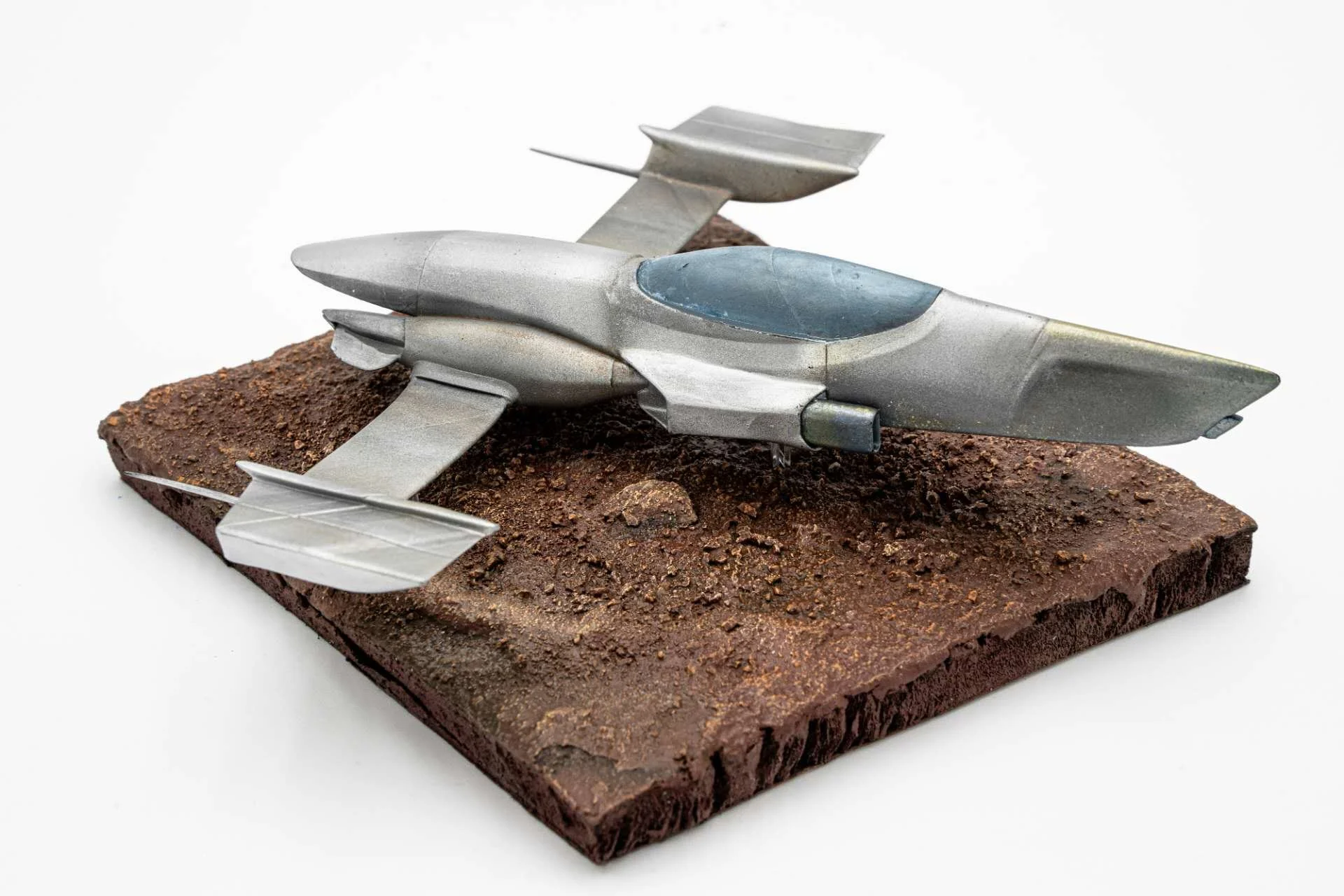
FORMULA JET 02
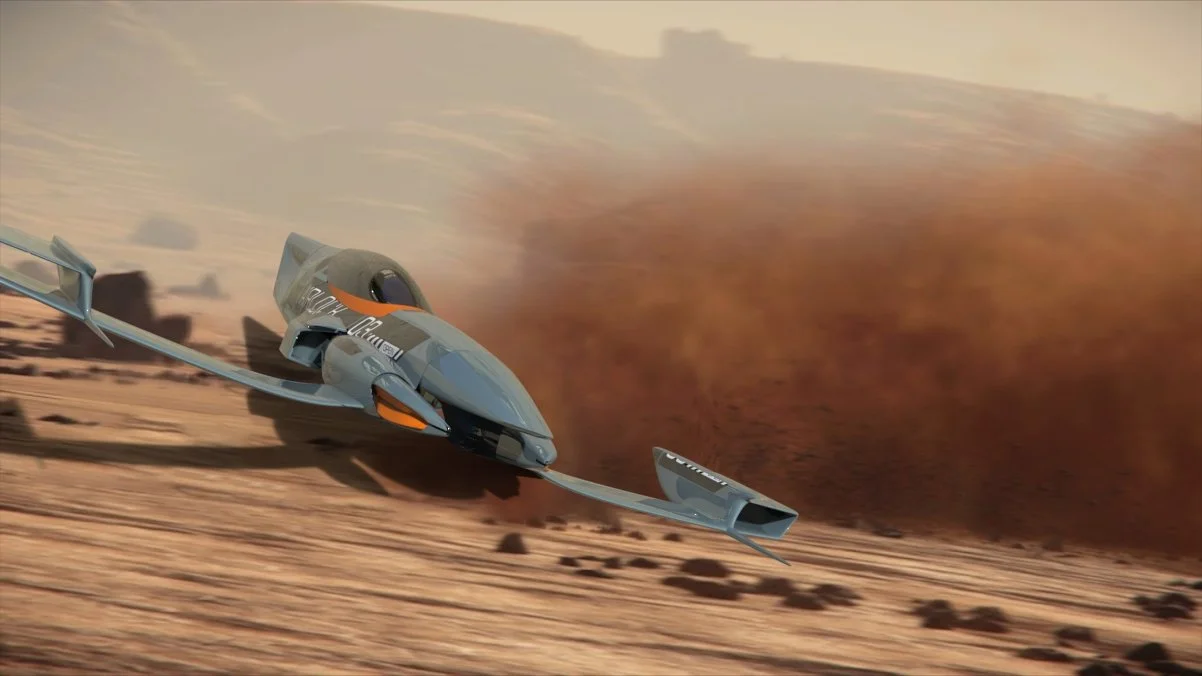
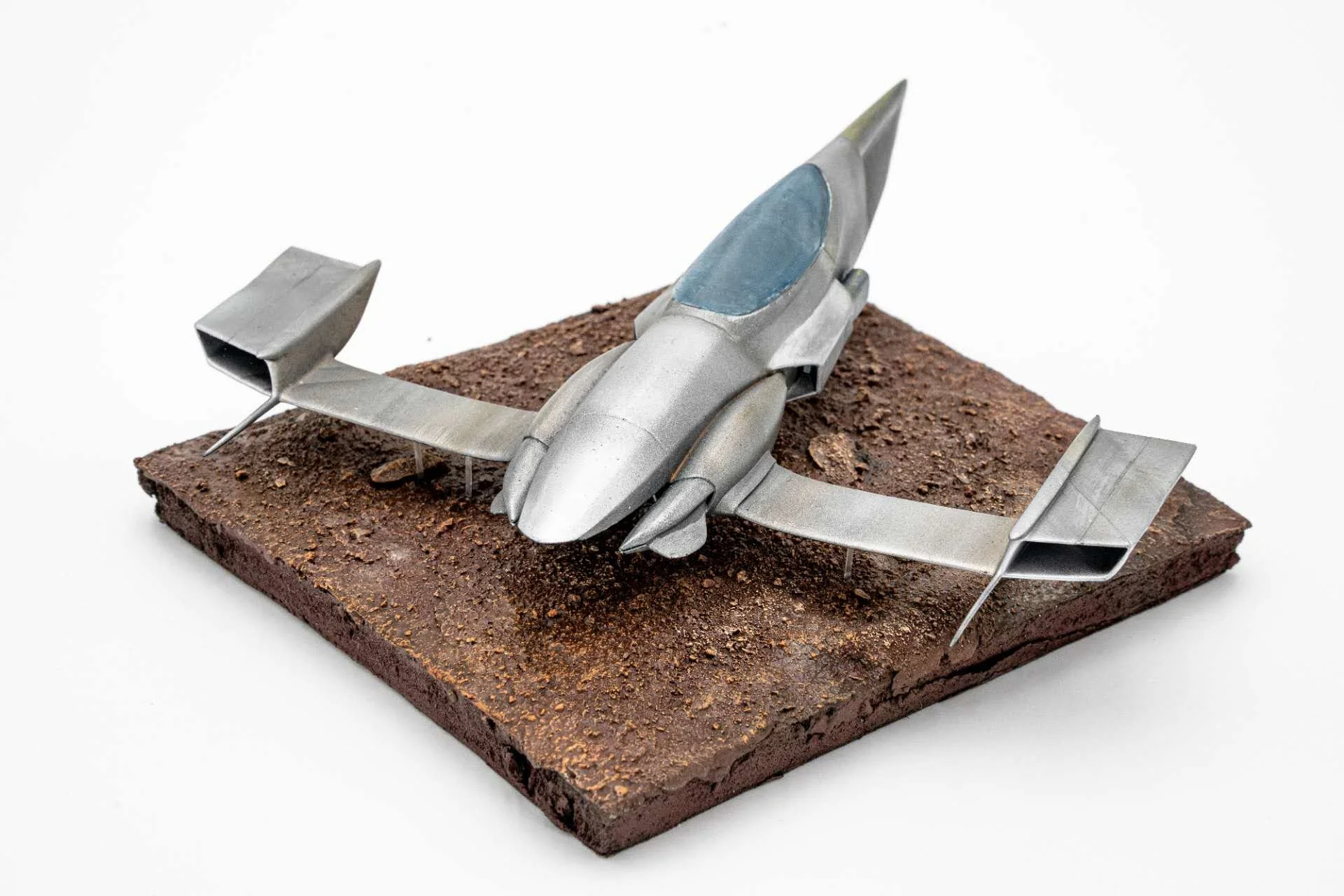
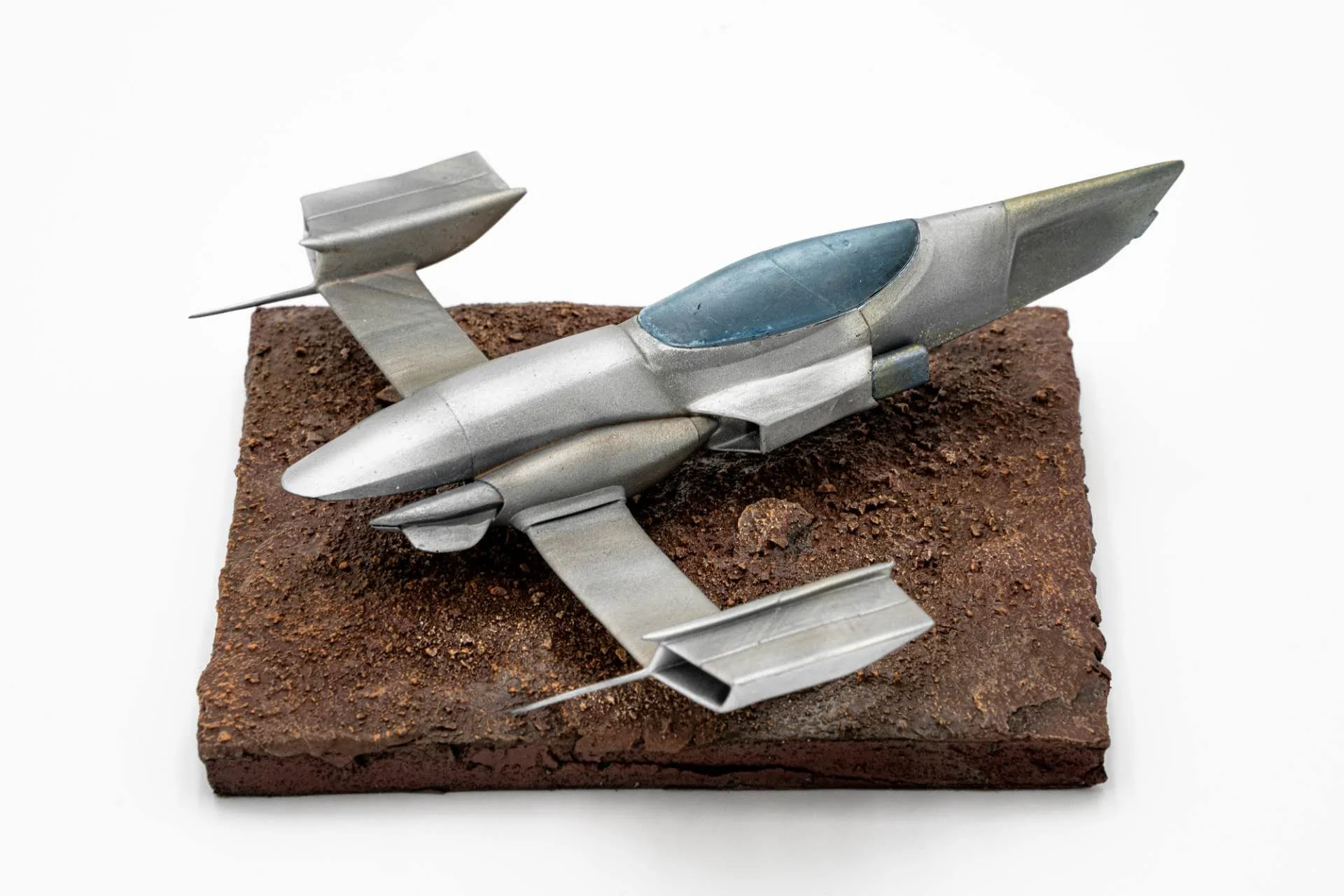
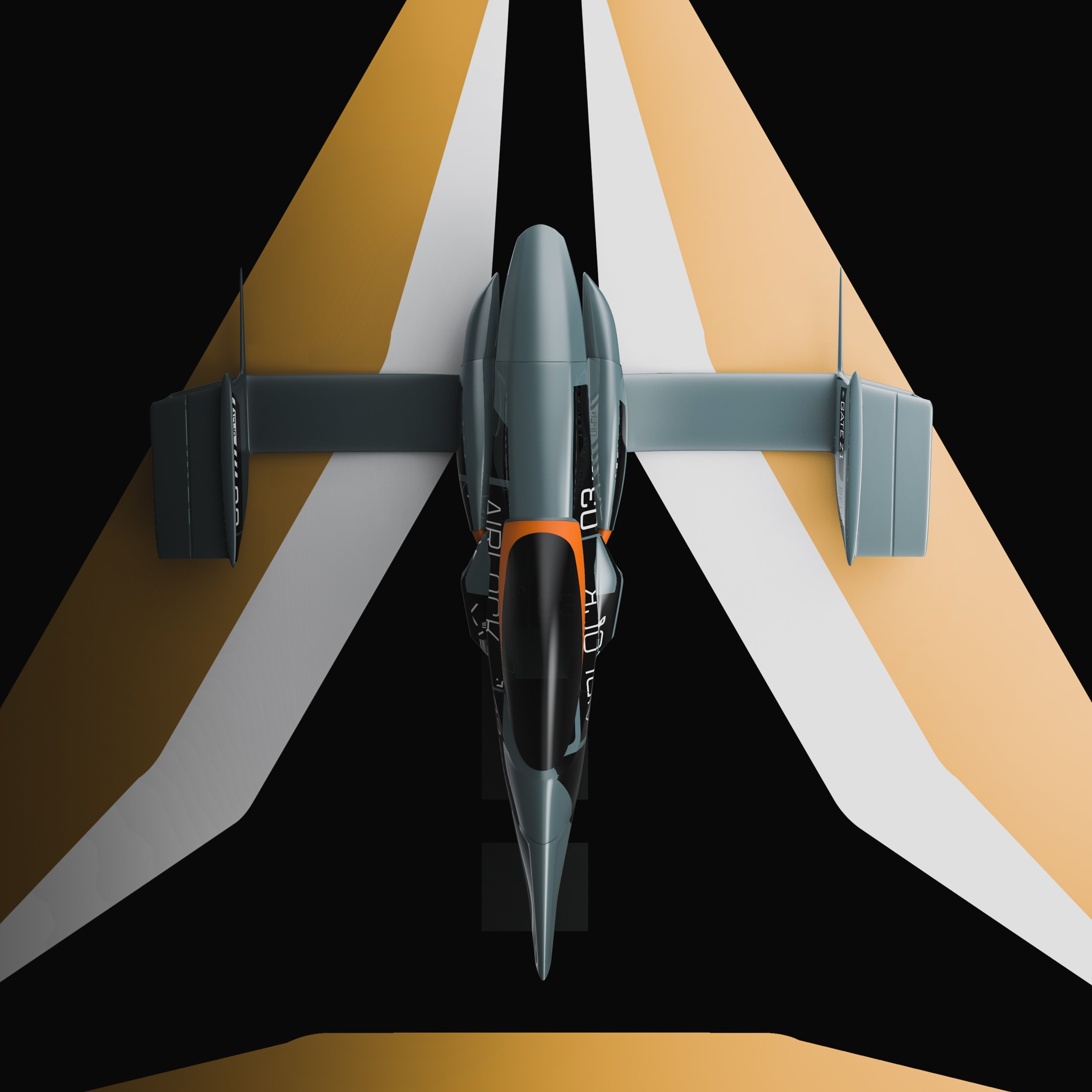
Formula Jet 02 references the streamlined design of modern F1. In the setting of Space Formula, this is a more technological and faster jet.
In order to make the design of Jet 02 more vivid and convincing, I designed a complete world view for it. I place the background on Mars.
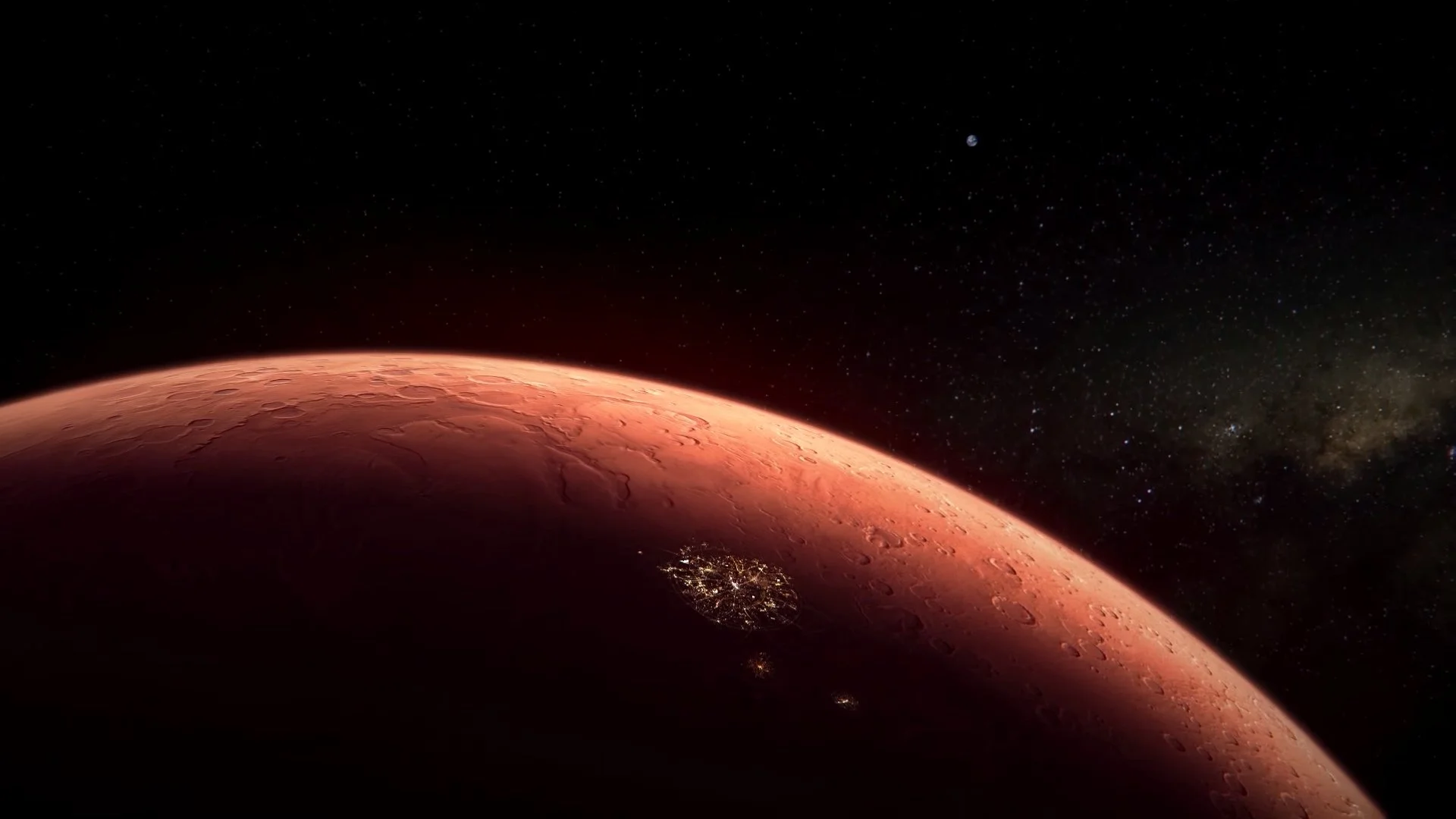
MARS-2085
The year is 2085, and humanity stands at the precipice of a new chapter in its relationship with Mars. Over the past decades, the Red Planet has transformed from a barren frontier to a burgeoning hub of innovation, exploration, and settlement. What began as a tentative foothold with the establishment of the first Martian colony in 2042 has blossomed into a thriving network of communities and industries.
Transportation Difficulties
In the early days of Martian colonization, moving people and goods across the rugged, cratered terrain posed a colossal challenge. The idea of constructing extensive road networks was quickly dismissed—Mars’ topography made such efforts inefficient and impractical.
Mars - Mono
Scientists and engineers turned to the skies. Inspired by the planet’s low gravity and minimal air resistance, they envisioned a new type of low-altitude flying vehicle, one that could redefine mobility on Mars.
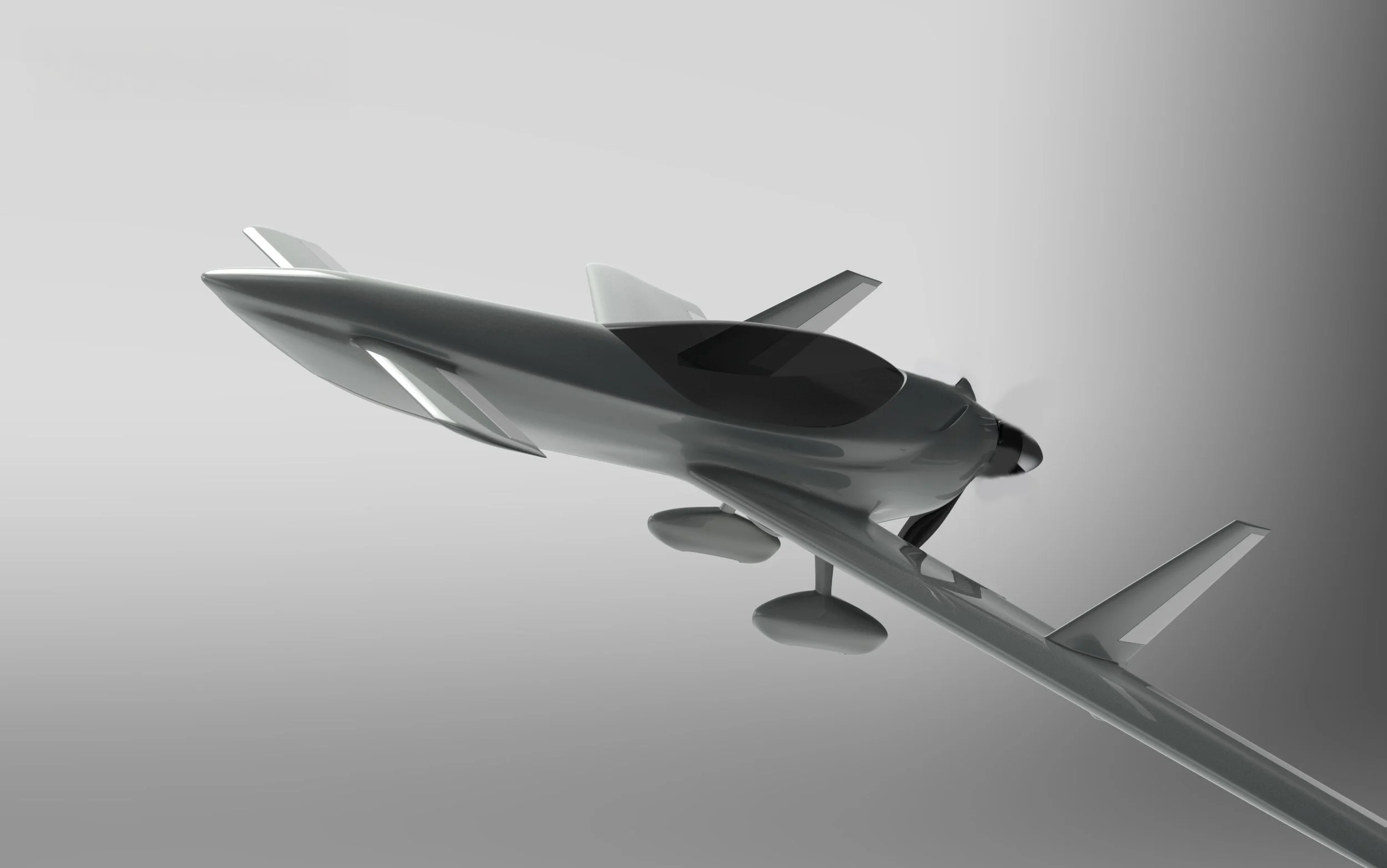
This vision became a reality in 2058 with the debut of the Mars Mono, the first consumer-grade aerial vehicle specifically designed for Martian conditions. Powered by methane harvested locally from the Martian surface and built with lightweight, durable materials
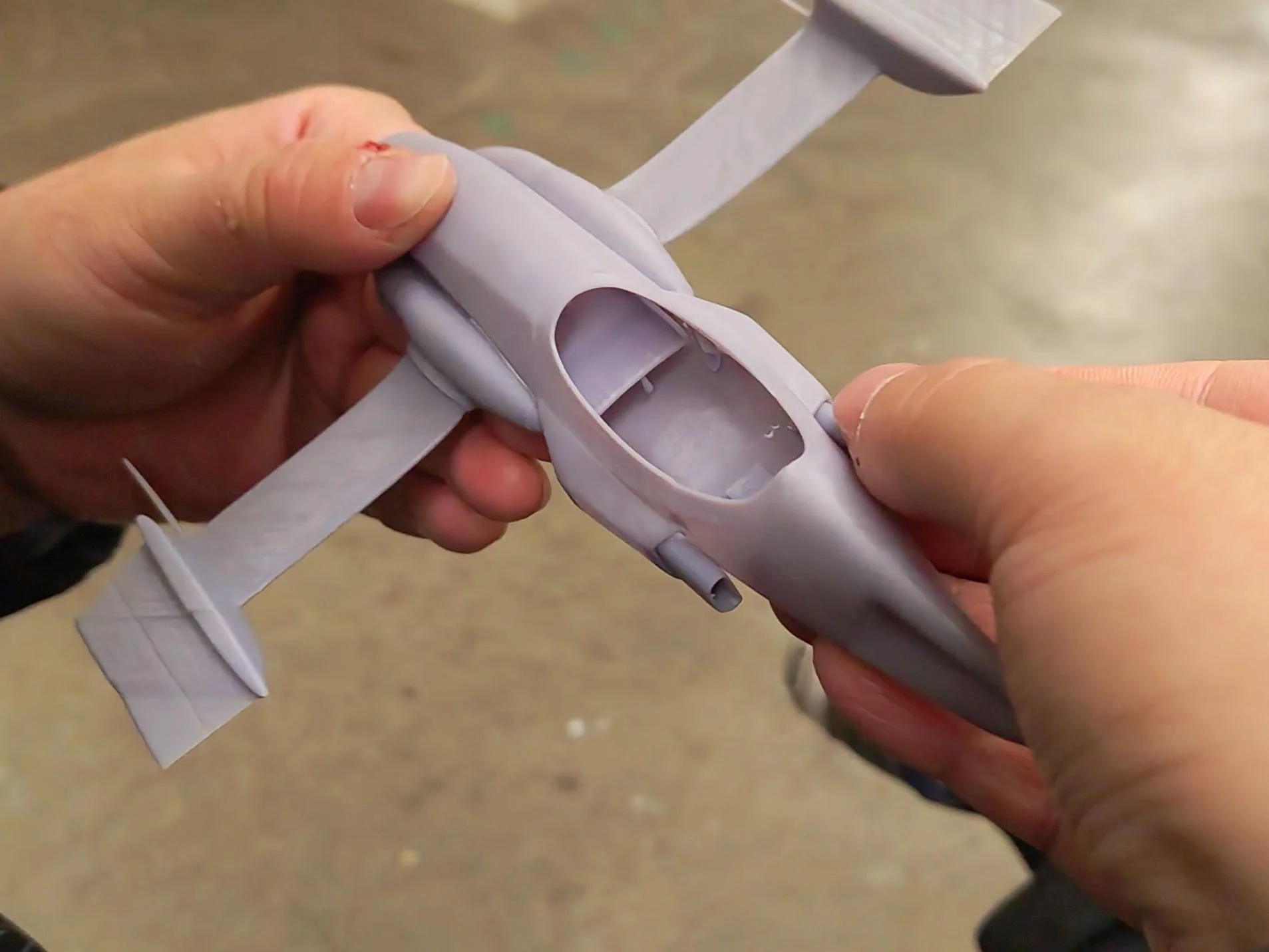
Scaled Model
But as has always been the case in human history,
utility gave way to a more primal instinct: the need for speed.
Mars Racing Jet Prototype
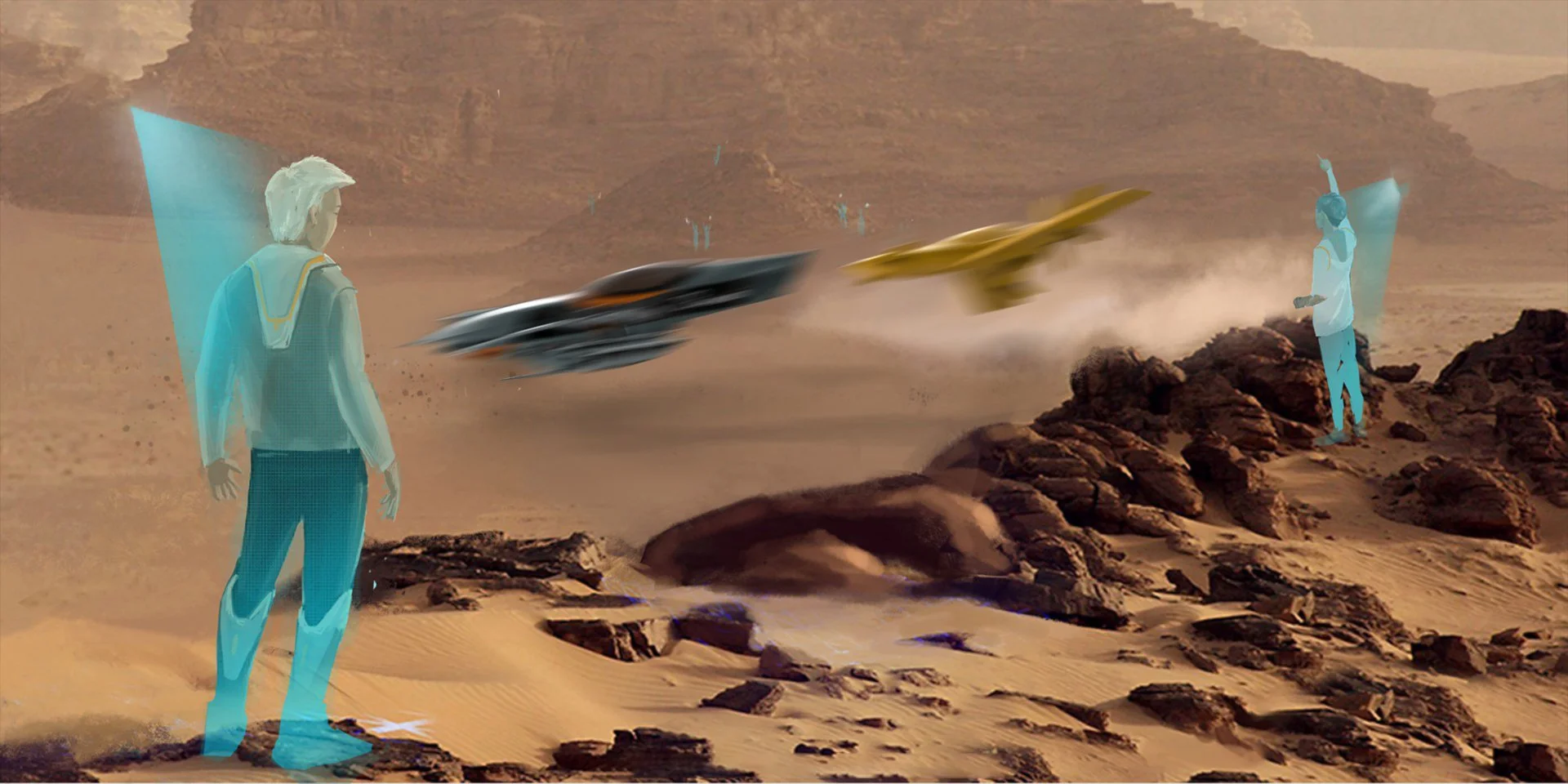
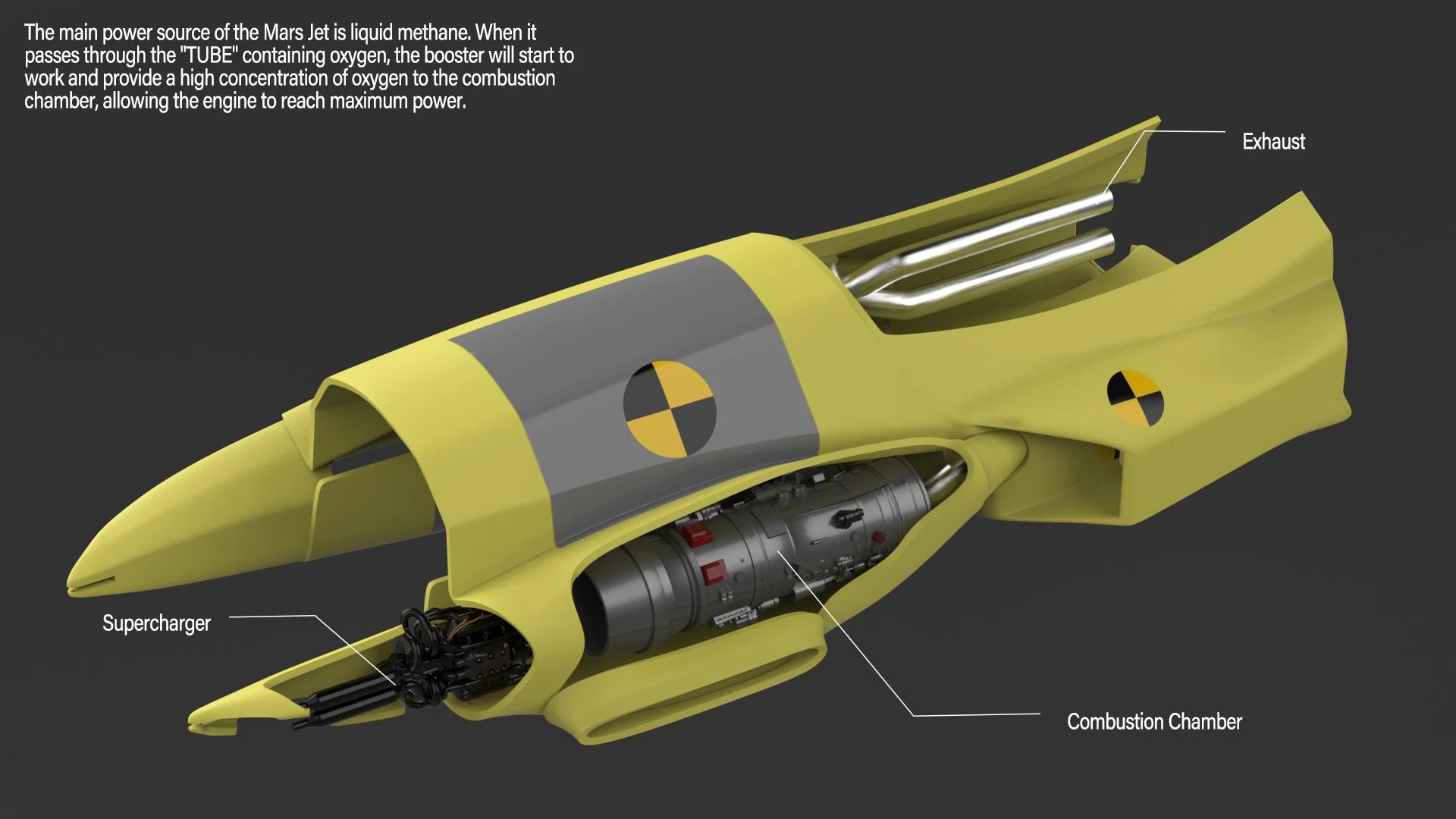
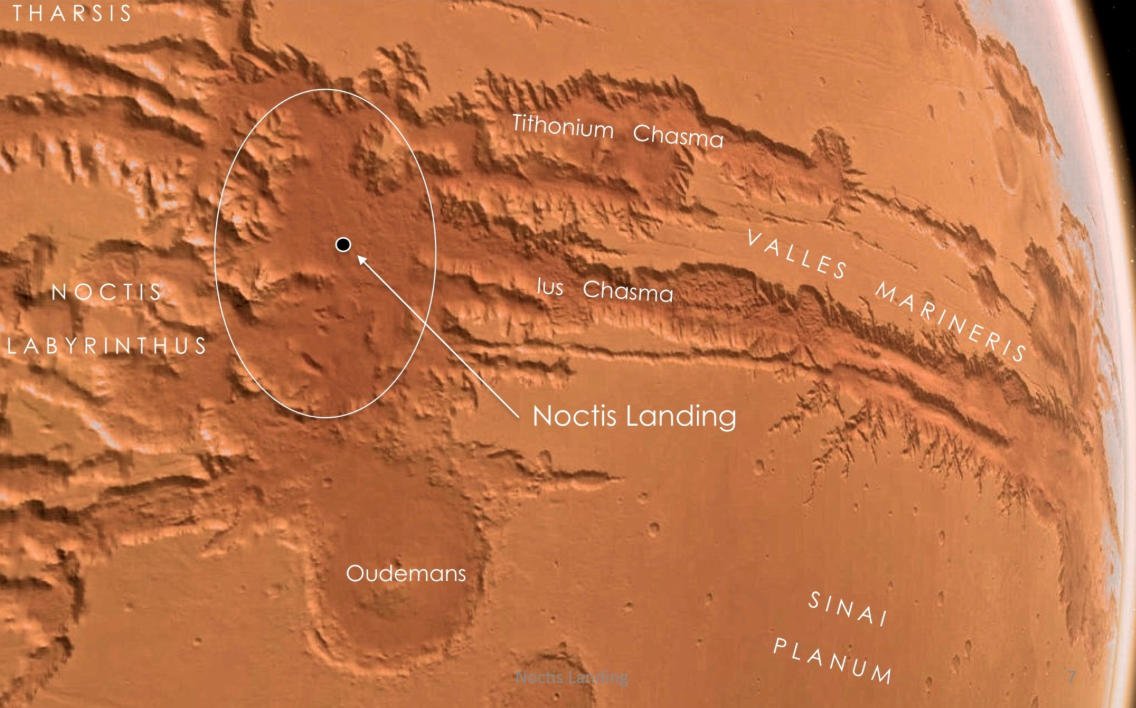
In 2079, a group of retired aerospace engineers and vehicle enthusiasts set out to push the boundaries of what these vehicles could do. Combining cutting-edge propulsion systems with advanced aerodynamics, they created a prototype modified from Mars- Mono, equipped with a supercharged compressor, a breakthrough engine that delivered unprecedented power and efficiency. Their creation achieved a stunning Mach 0.85 during a daring test flight through the dramatic canyons of Valles Marineris, the largest canyon system in the solar system.
The idea quickly gained traction. Recognizing the potential for a transformative cultural and technological phenomenon, the Martian Colonial Government partnered with this pioneering team to explore the possibilities of a formal racing series. Their efforts culminated in the founding of Solar Apex in 2085.
Solar Apex drew inspiration from Earth’s greatest motorsport traditions, with contributions from legendary figures who had shaped Formula 1, Le Mans, and WRC. The organization united Martian engineers, former aerospace professionals, and Earth’s motorsport veterans under a shared vision: to create an exhilarating competition that would both entertain and drive innovation.
Concept Development
Solar Apex Racing
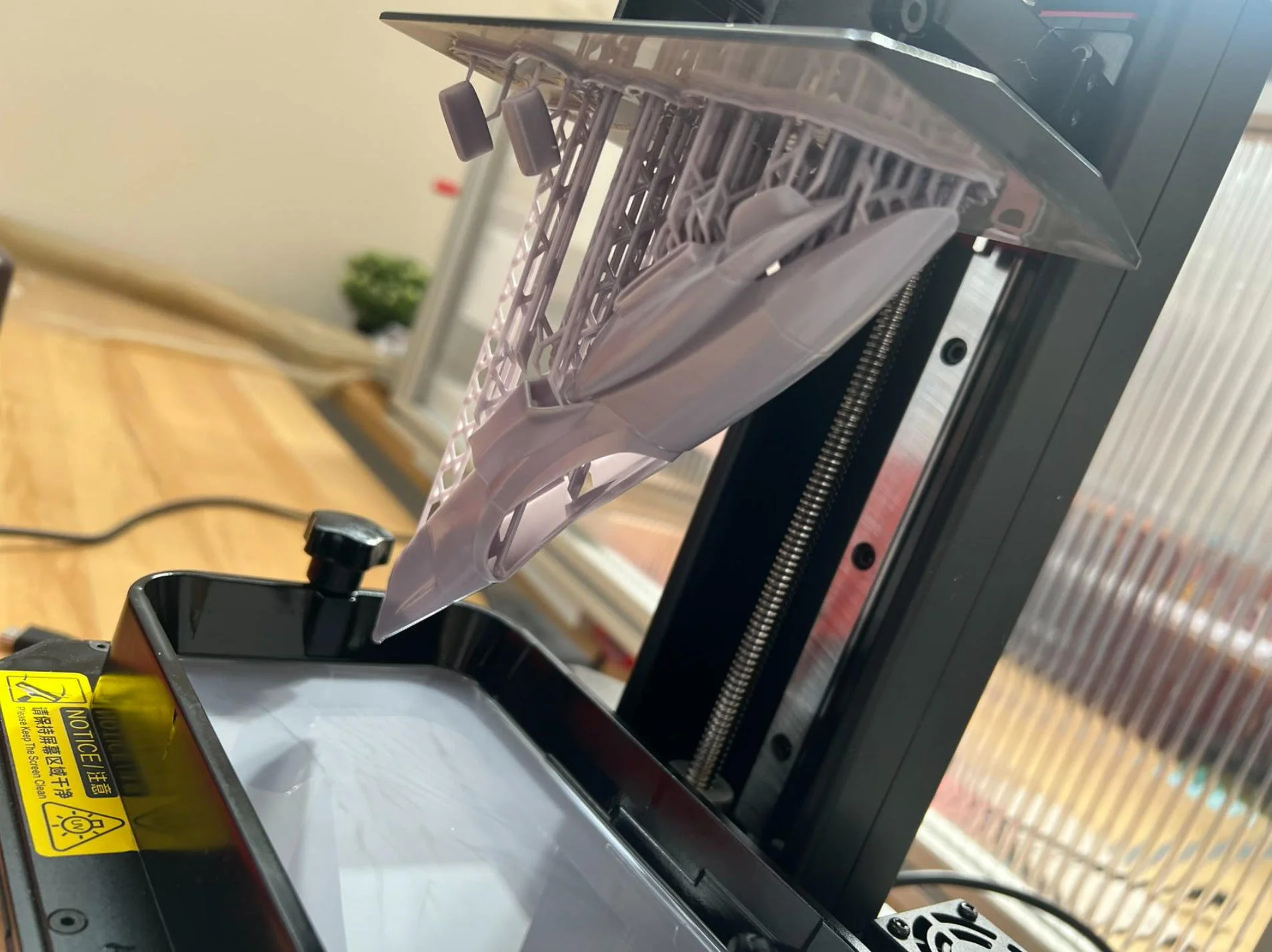

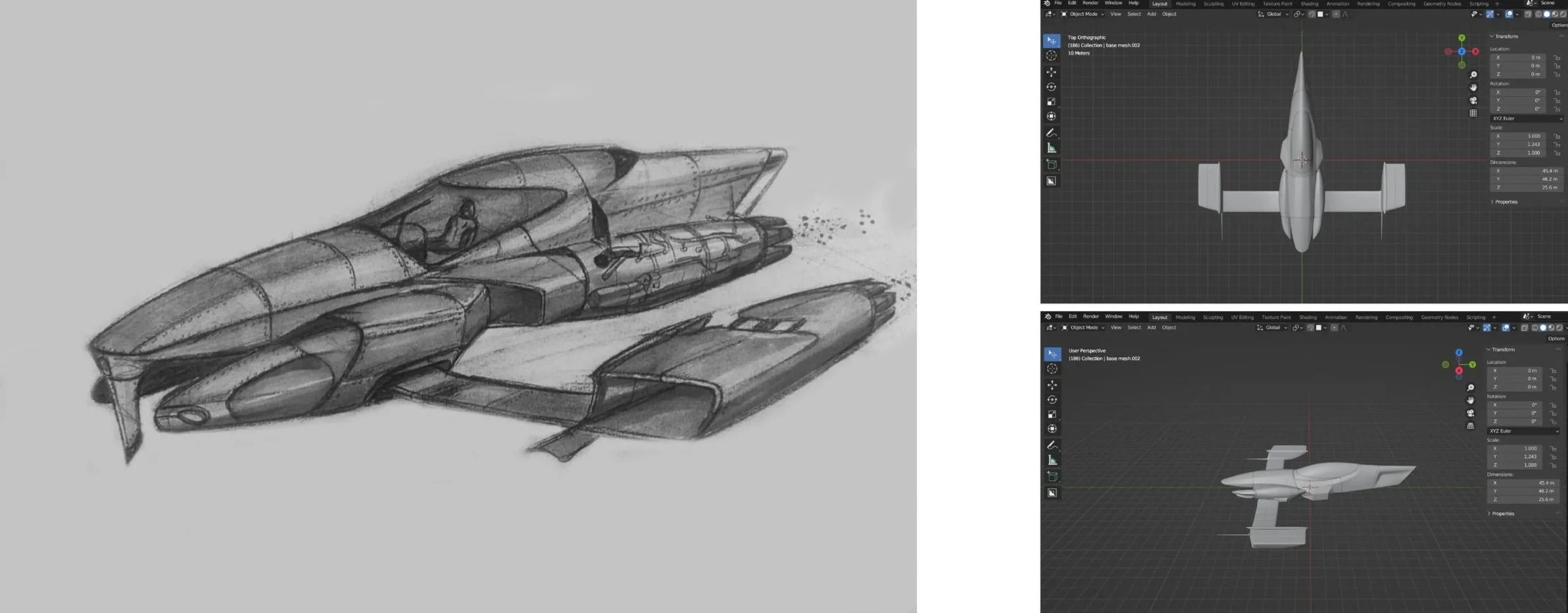
There are slight differences in details between my hand-drawn and 3D model. The rough shape of the jet was expressed by hand drawing, and the appearance was rethought and modified during modeling.

The Track
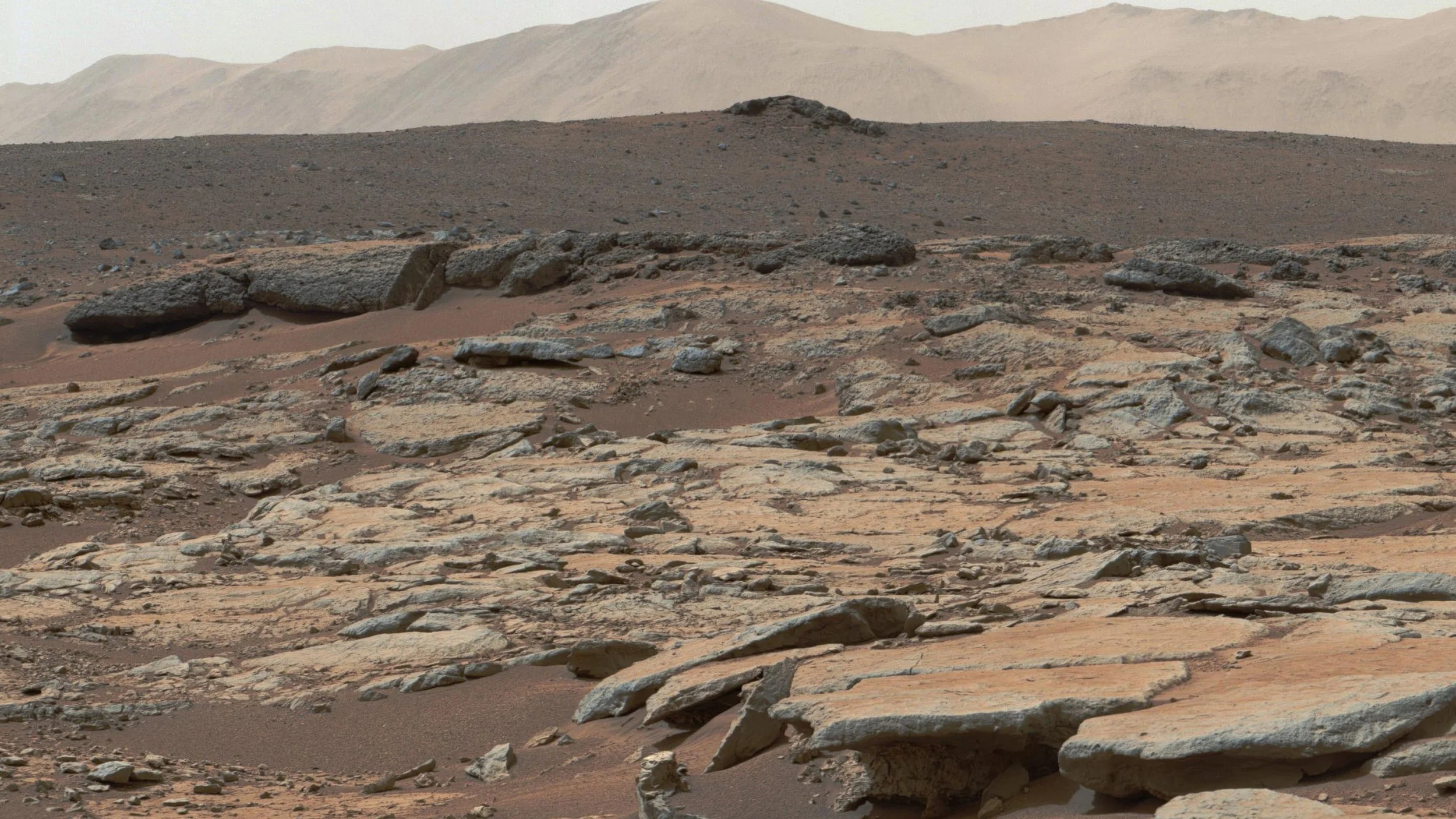
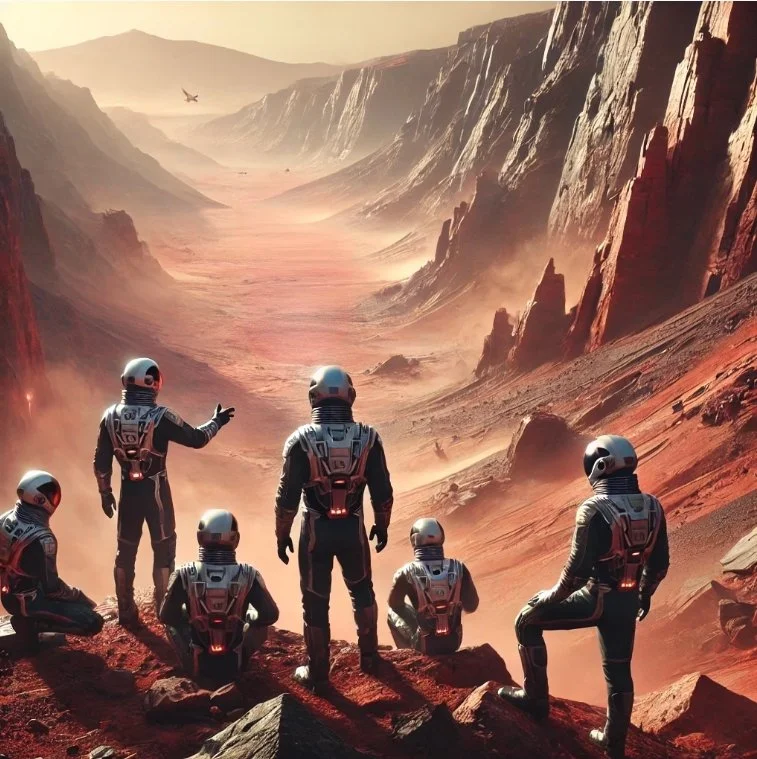
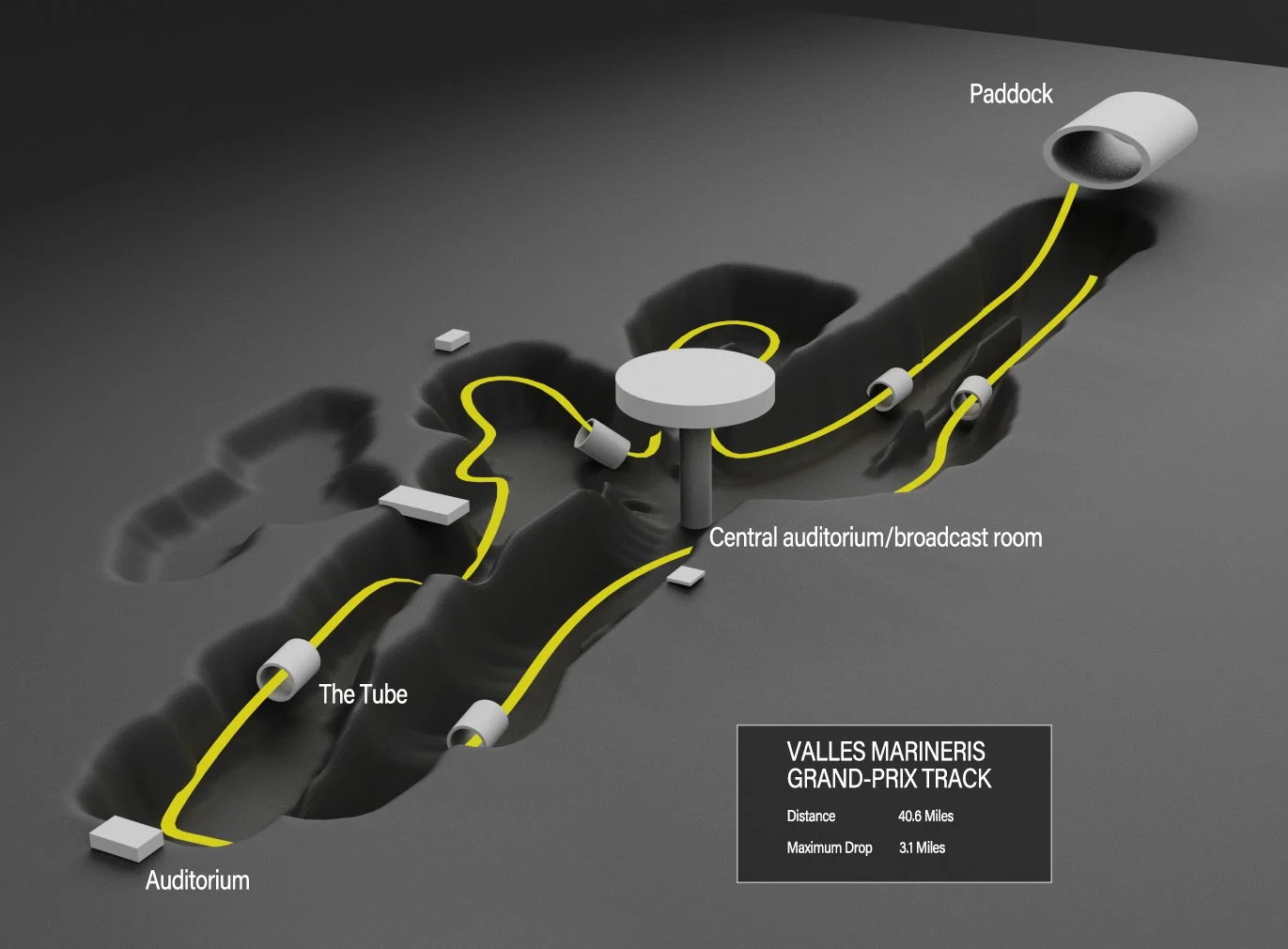
The Valles Marineris track is an racing circuit carved into the heart of the solar system’s largest canyon. Spanning approximately 60 kilometers, the track winds through towering cliff walls and plunging chasms, showcasing breathtaking vertical drops of up to 7 kilometers.
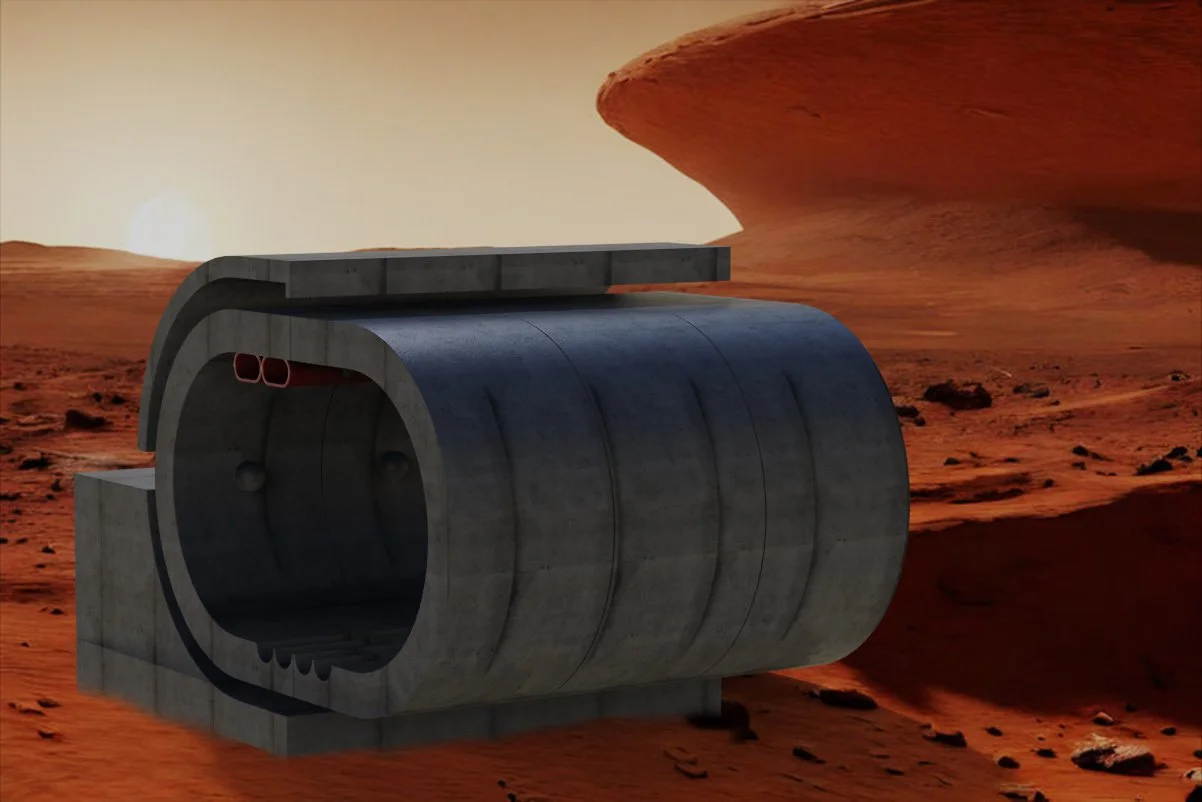
The Tube
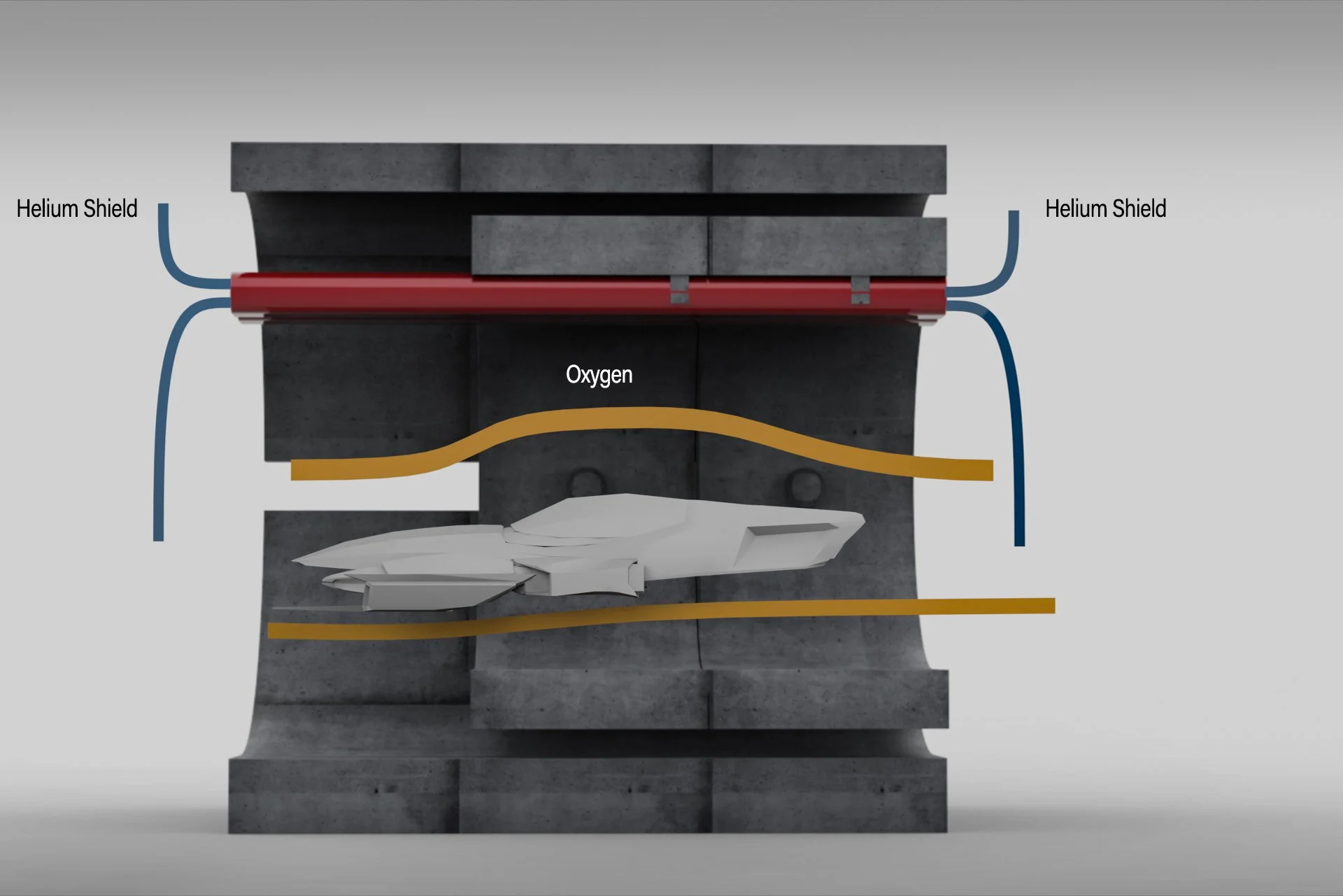
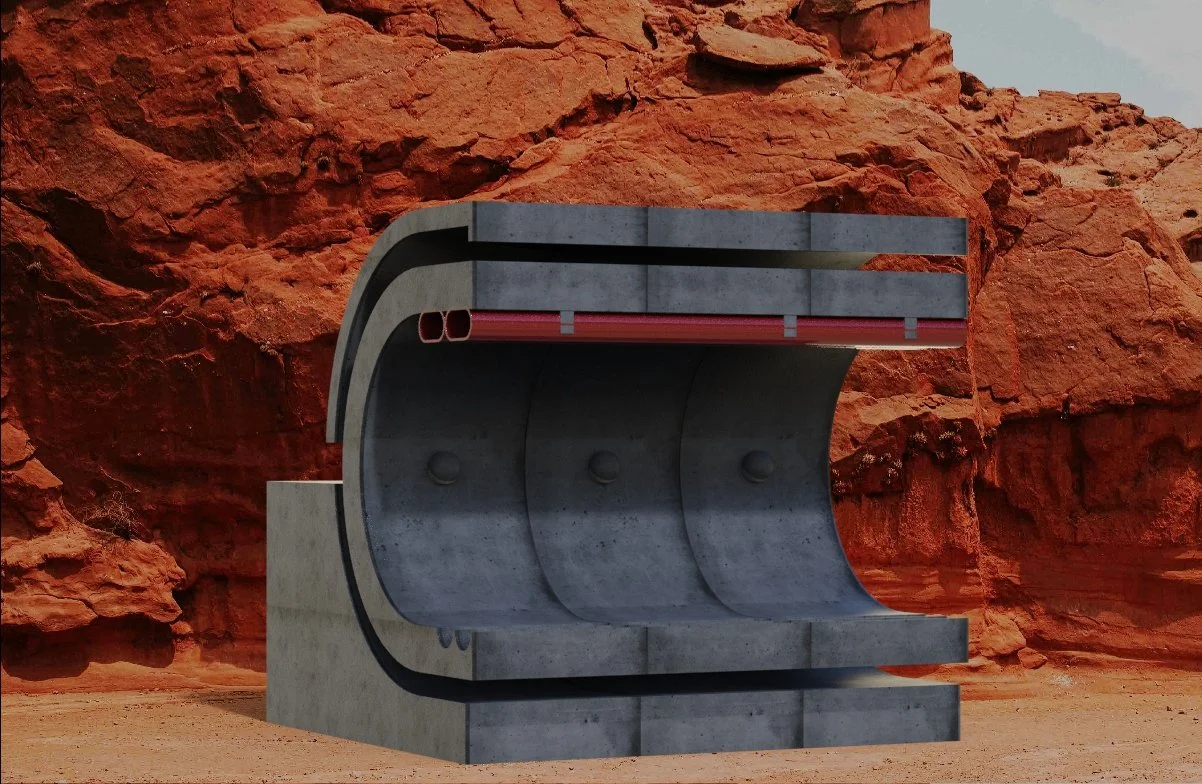
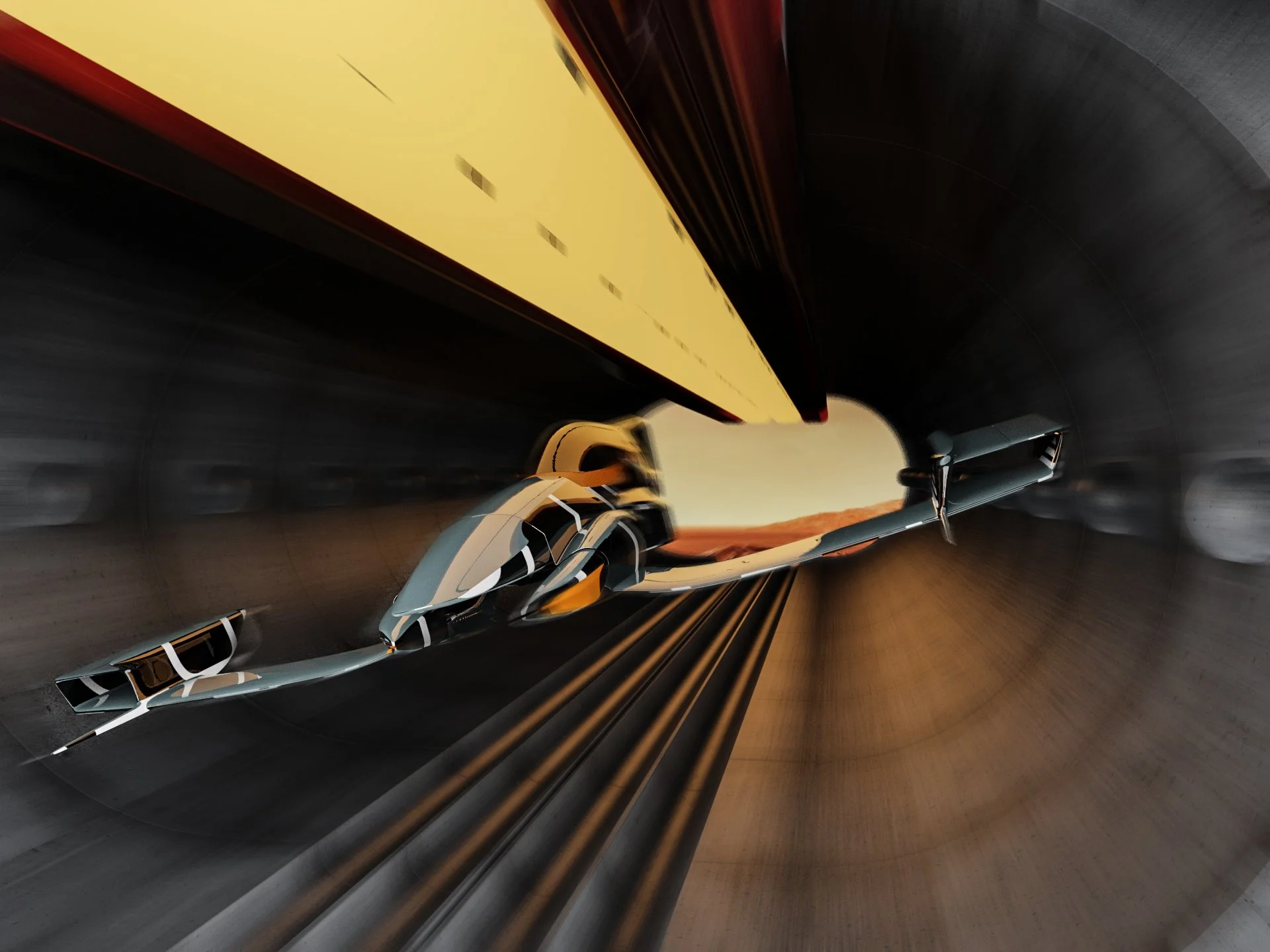
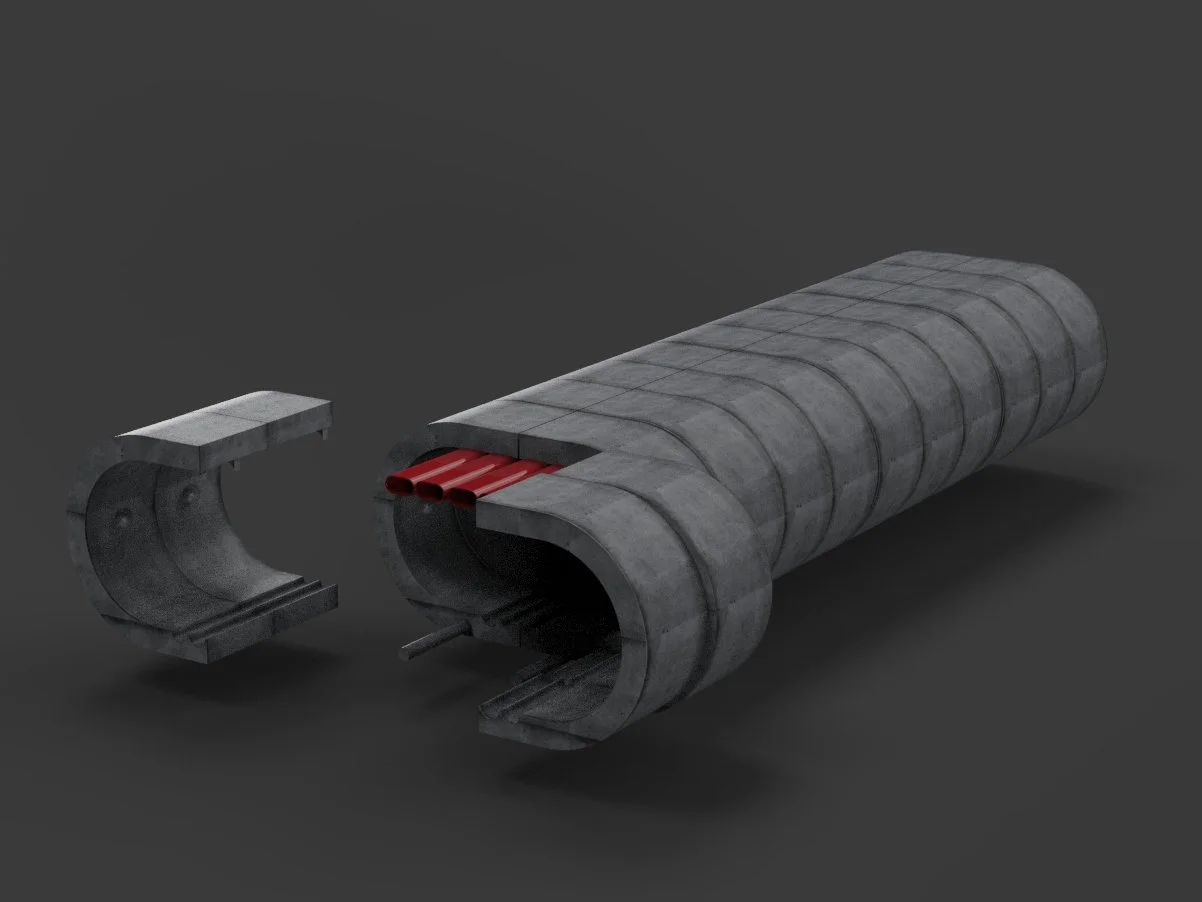
One of the most important components of the track system is "The Tube", a tubular object made of cement, filled with a high concentration of oxygen, with gas shields composed of helium at both ends, forming a barrier to pre-vent oxygen leakage. The function of "The Tube" is to use gas with a higher density than the Martian atmosphere to help the jet accelerate and decelerate. It is set up in both the paddock and the track.
Renderings