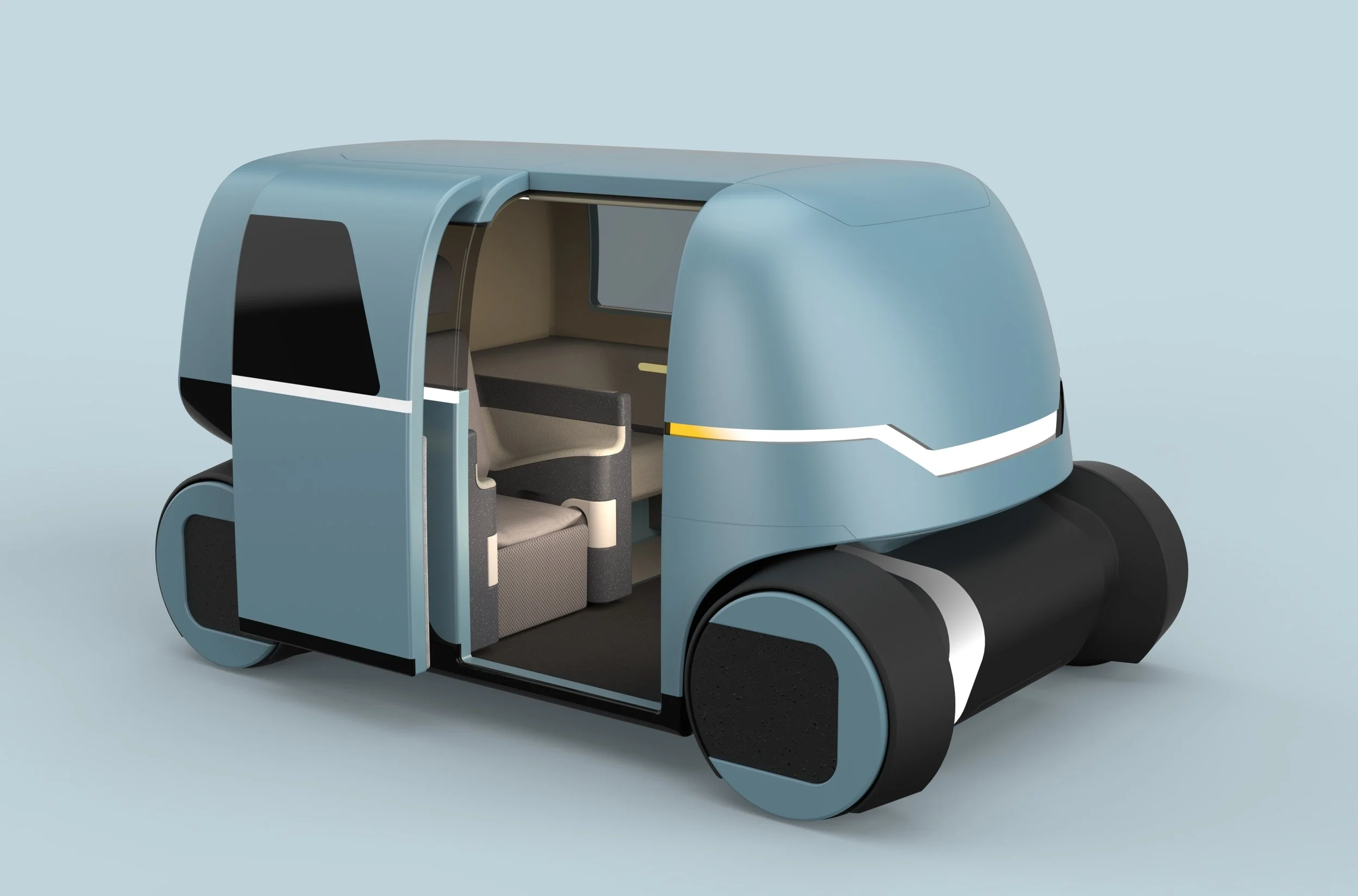
Emerging Autonomous Taxi
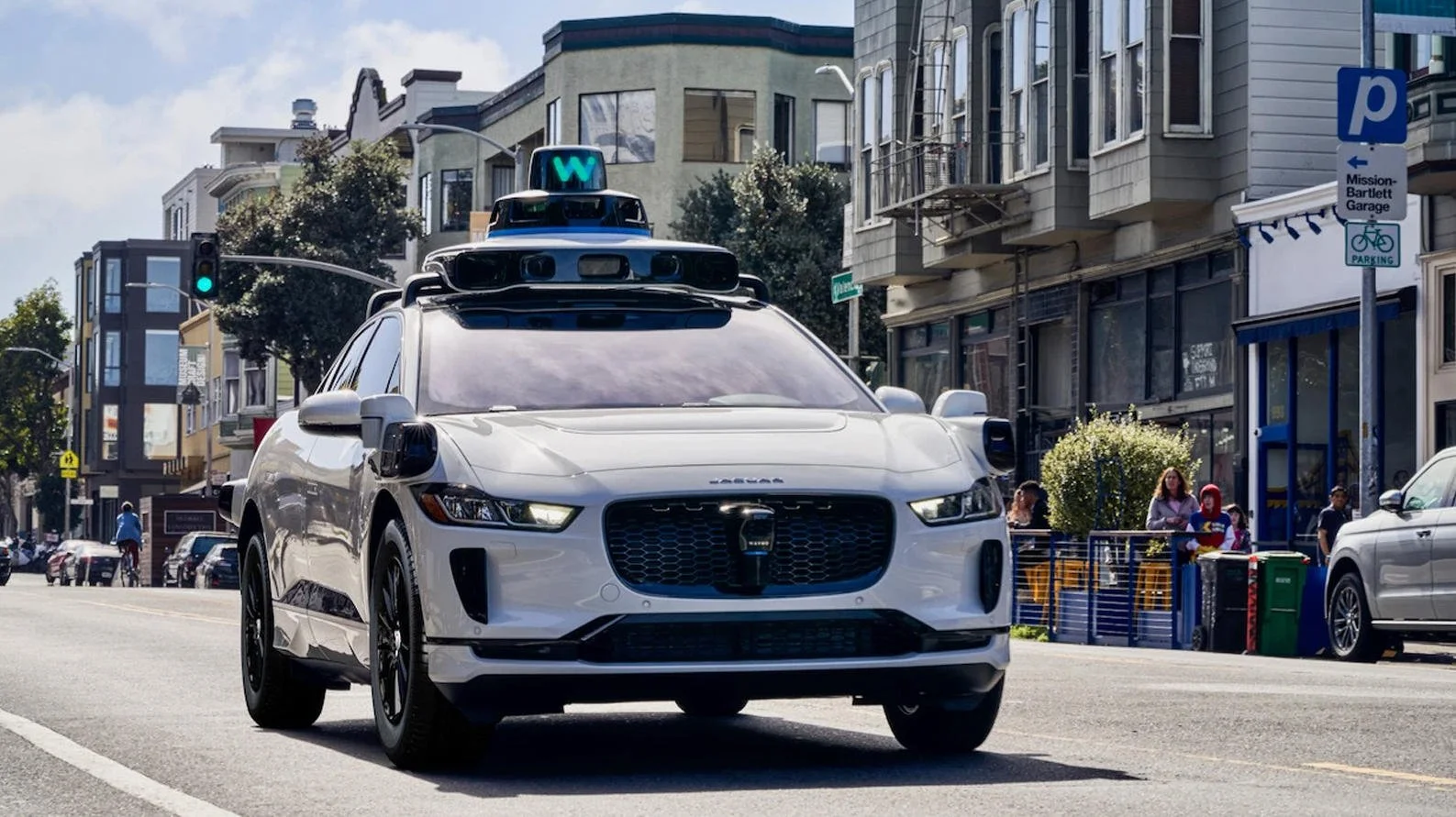
If you live in a city, you may have noticed that in recent years, autonomous taxis have started to appear on the streets. Or perhaps you’ve at least heard names like Waymo or Zoox.
2050
Short Distance, Small Group
Studies show that 75% of daily trips in the region are expected to be under 10 miles, and many are made by individuals or pairs
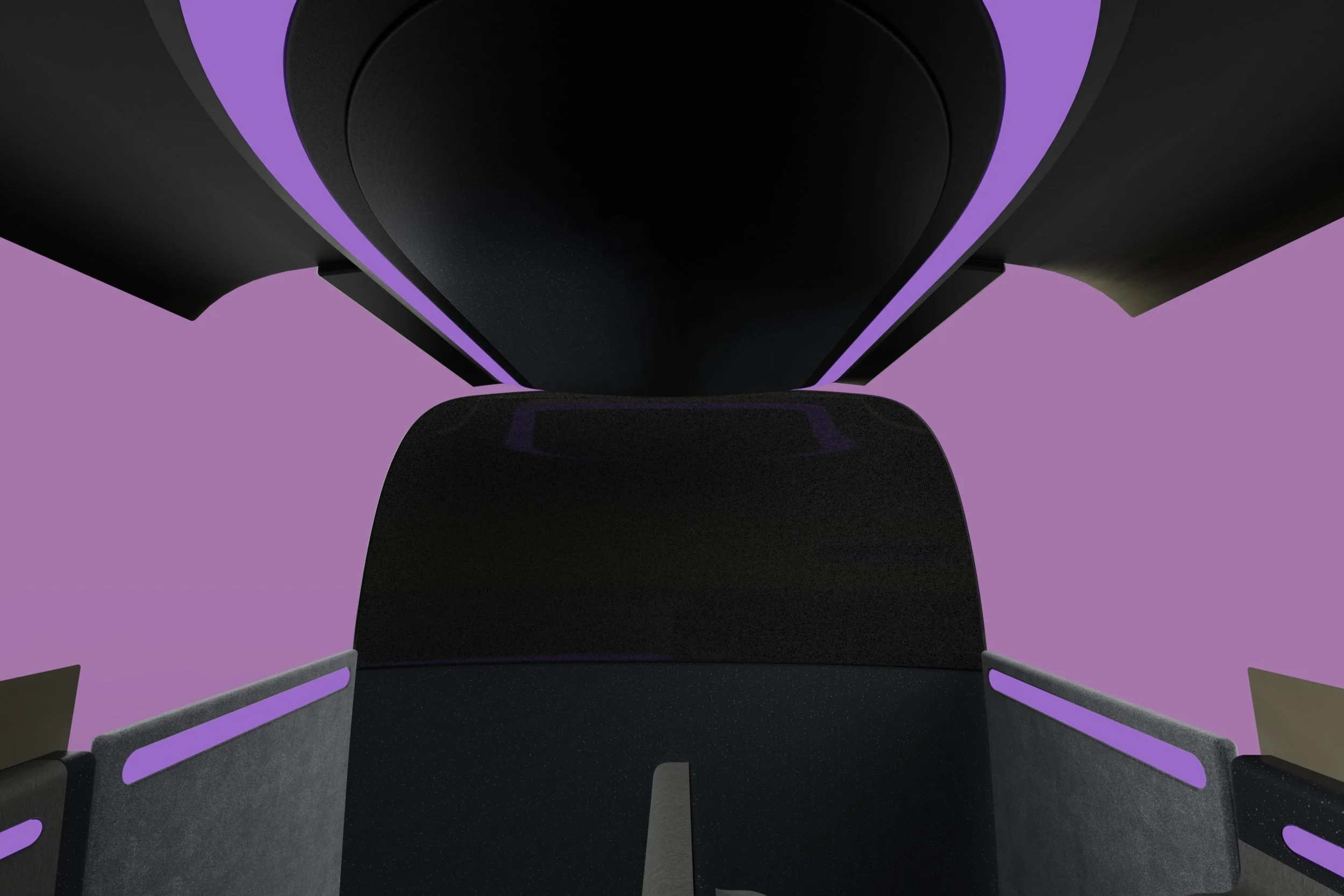
Interior Exploration
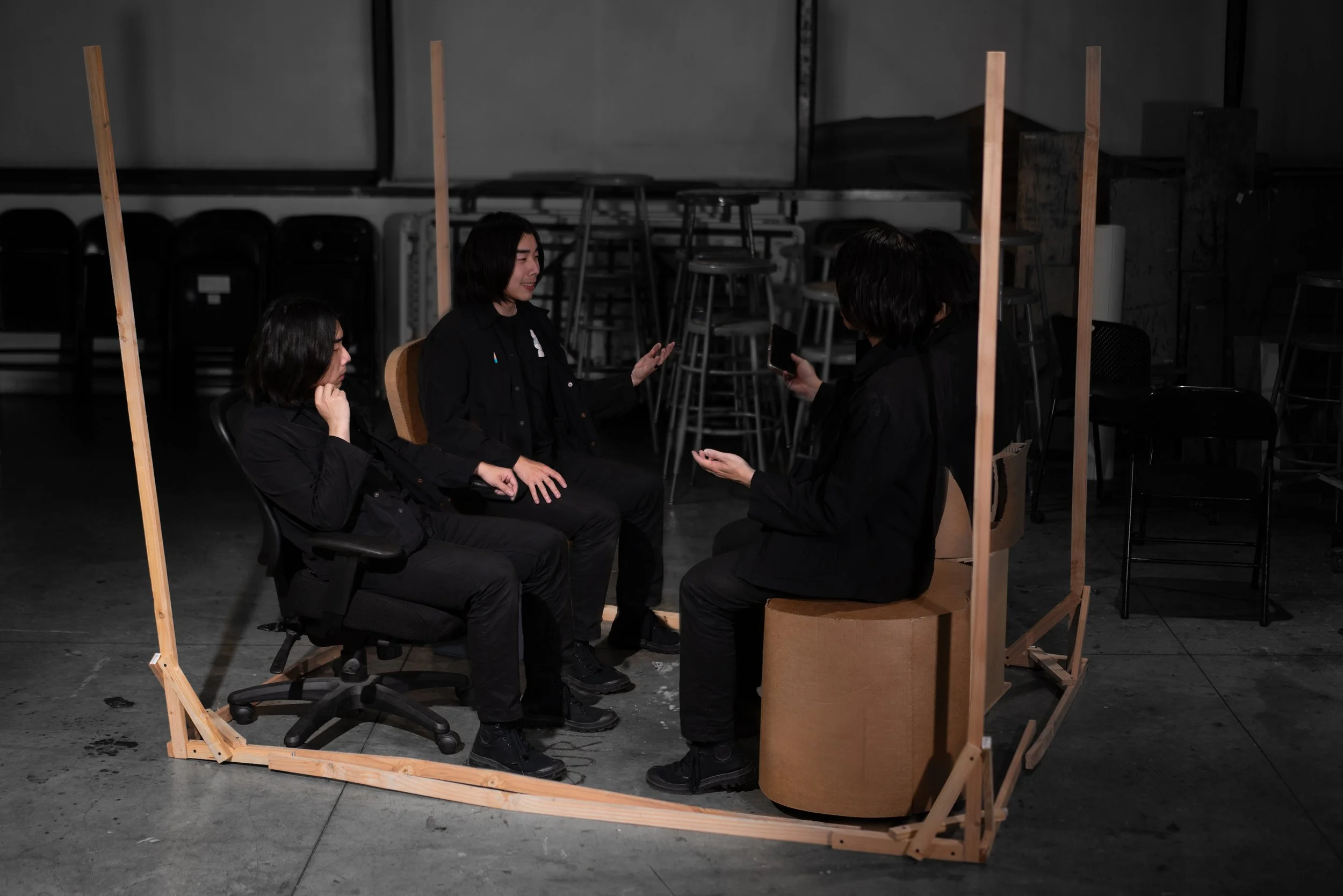
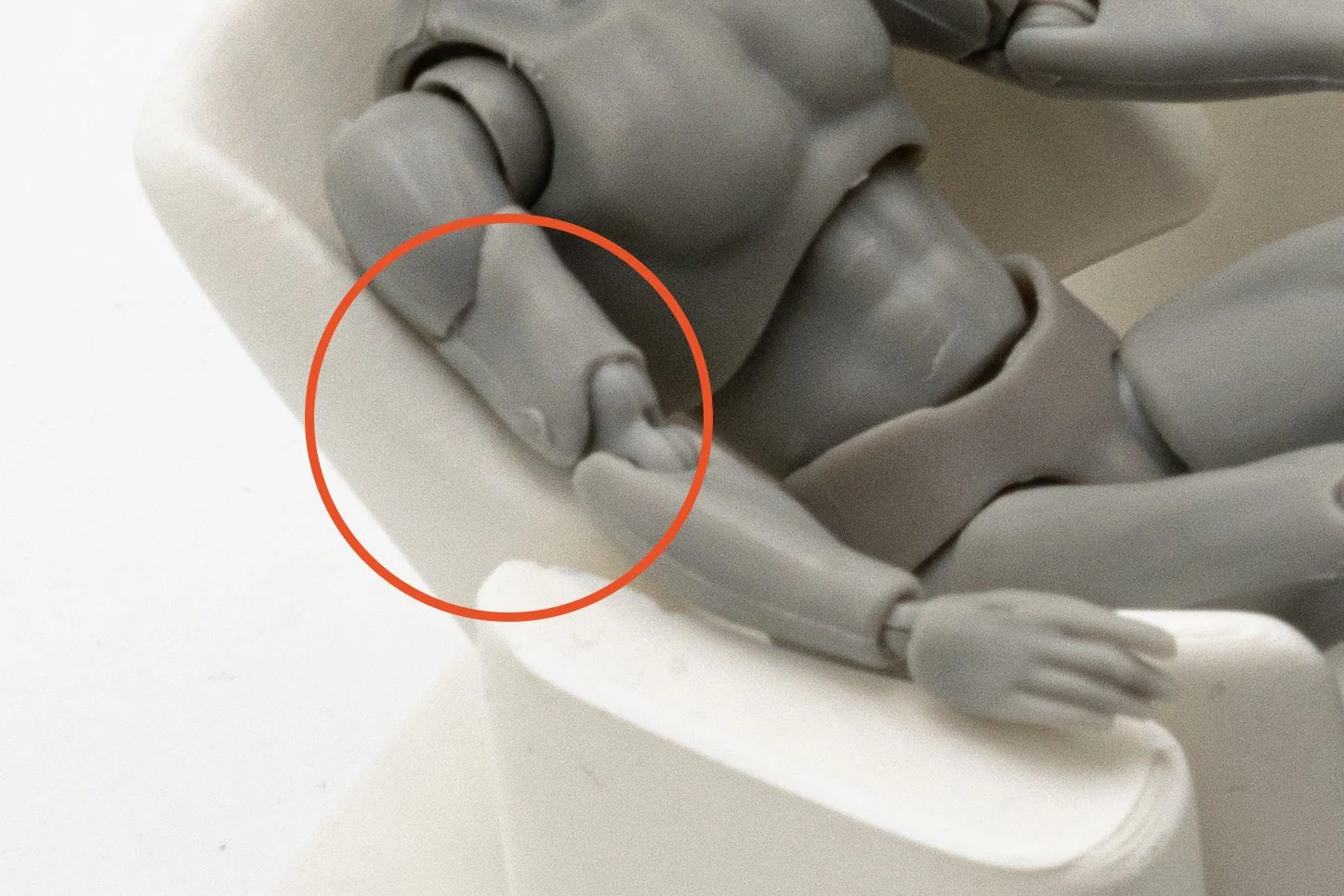
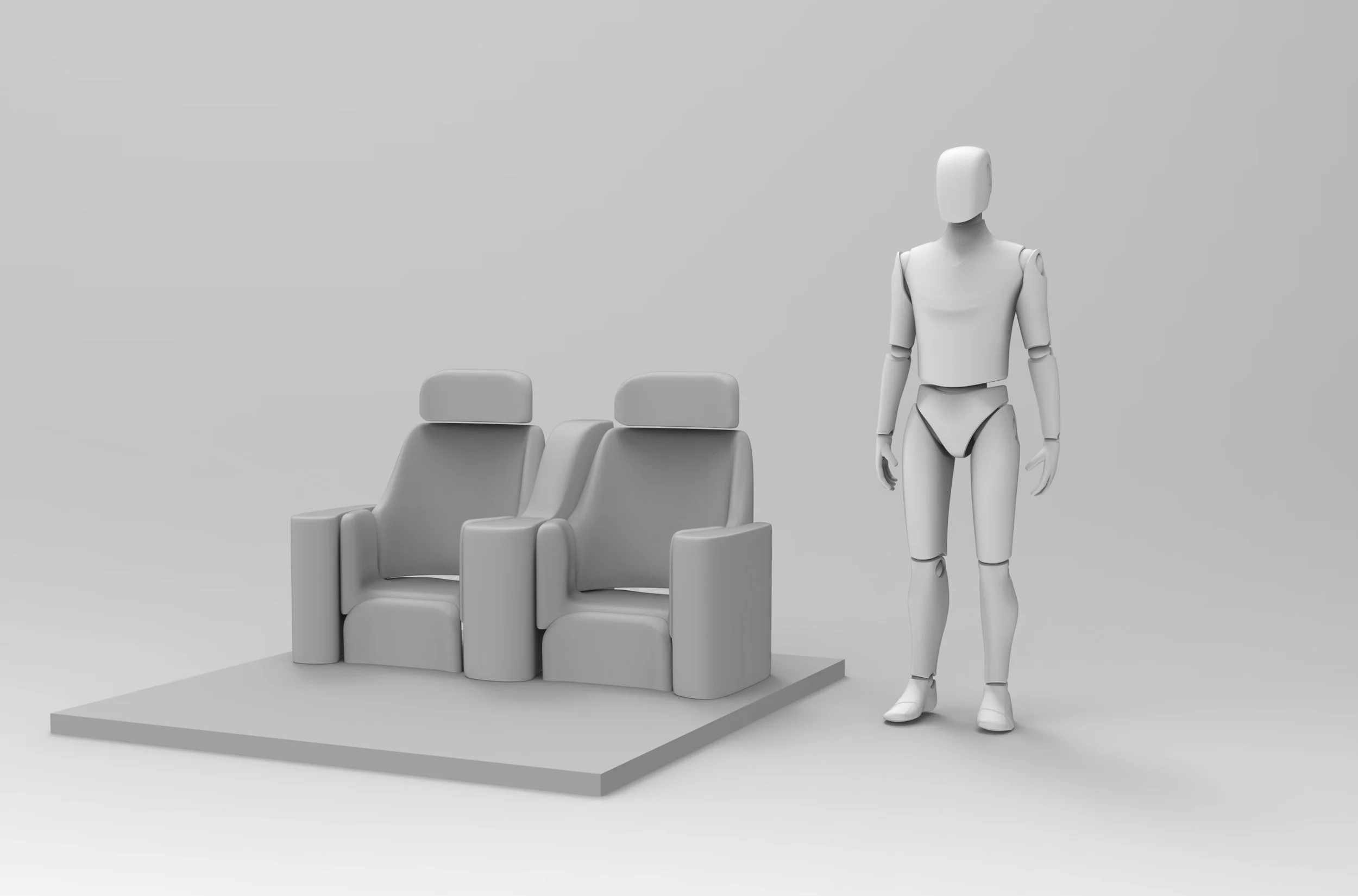
This seat looks like it was designed for people of standard size. I hope to see more inclusion of different user groups in the improved design, such as people with disabilities in wheelchairs, people with larger body shapes, etc.
NAVO
The Next Generation Autonomous Taxi
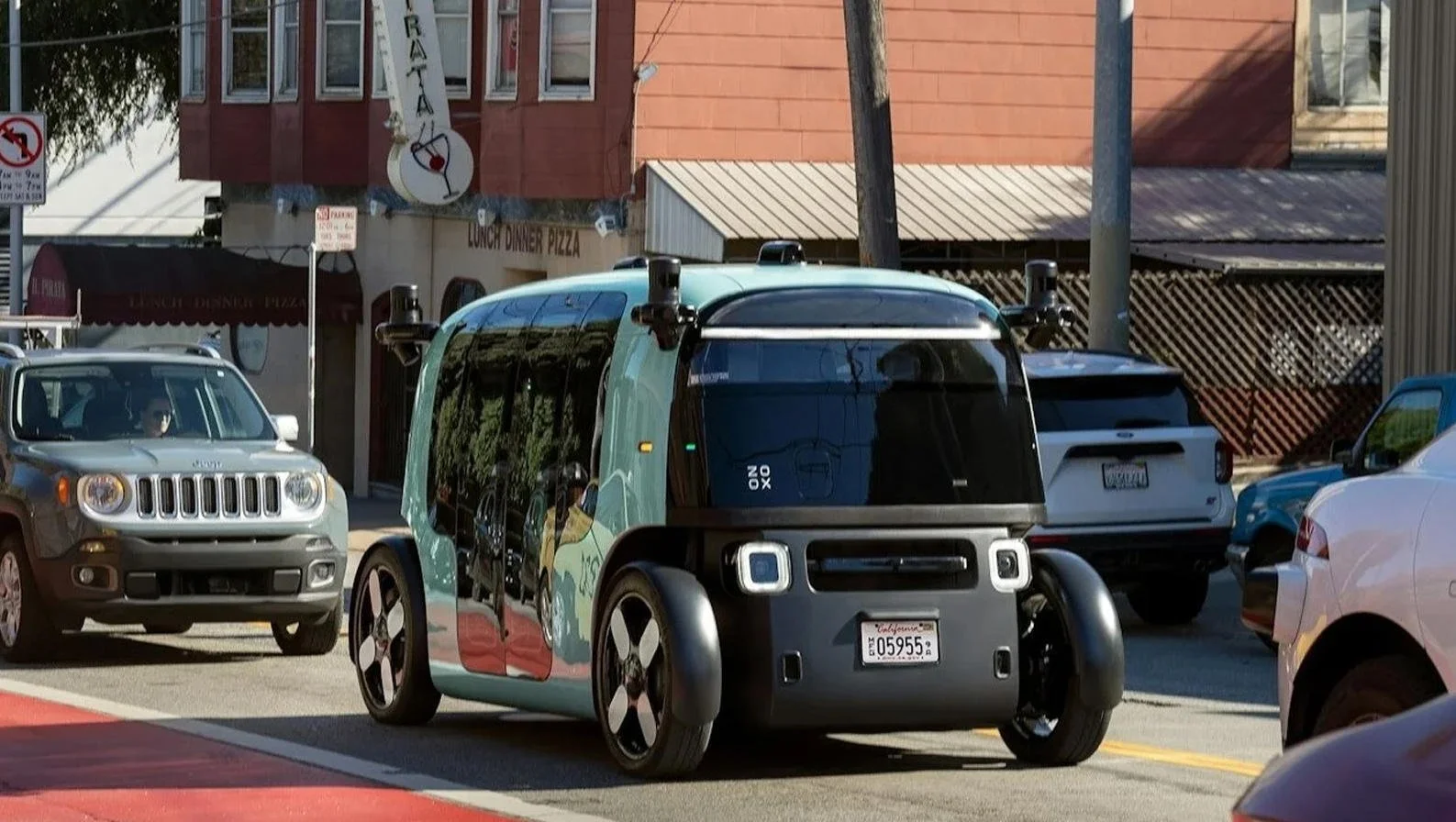
“What does a vehicle become when human ownership is removed, but human presence still demands comfort, dignity, and flexibility?“
The Urban Future Analysis(2050)
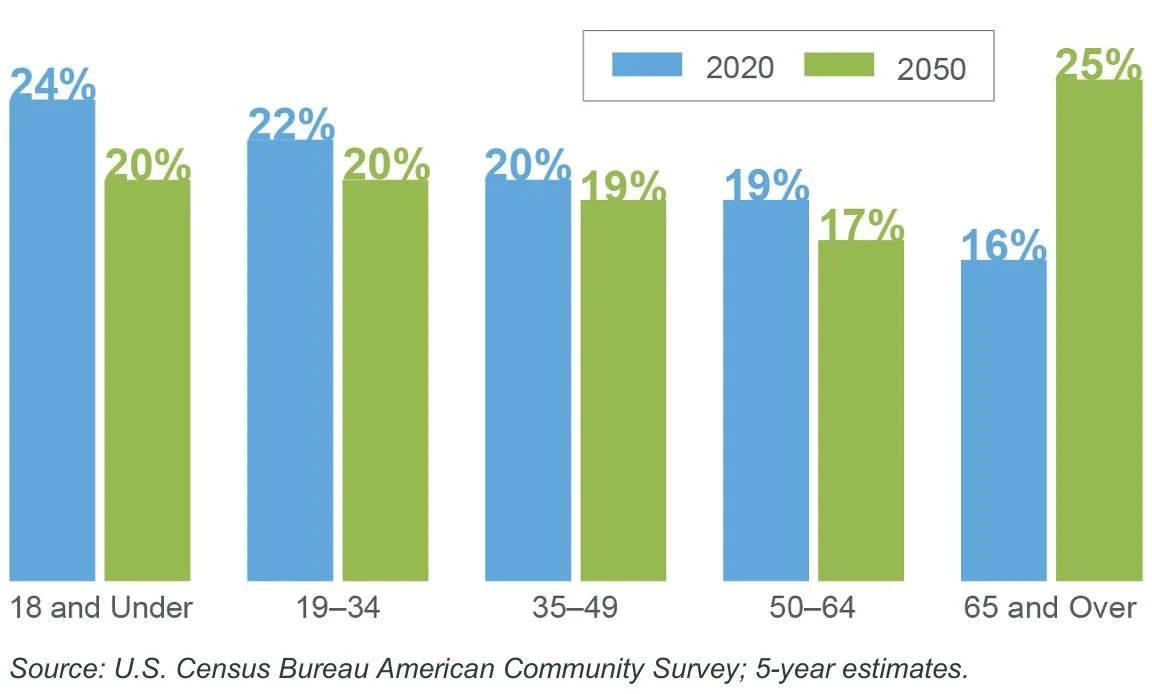
Aging Urban Population
Adults over the age of 65 are expected to make up more than a quarter of the state’s total population by 2050
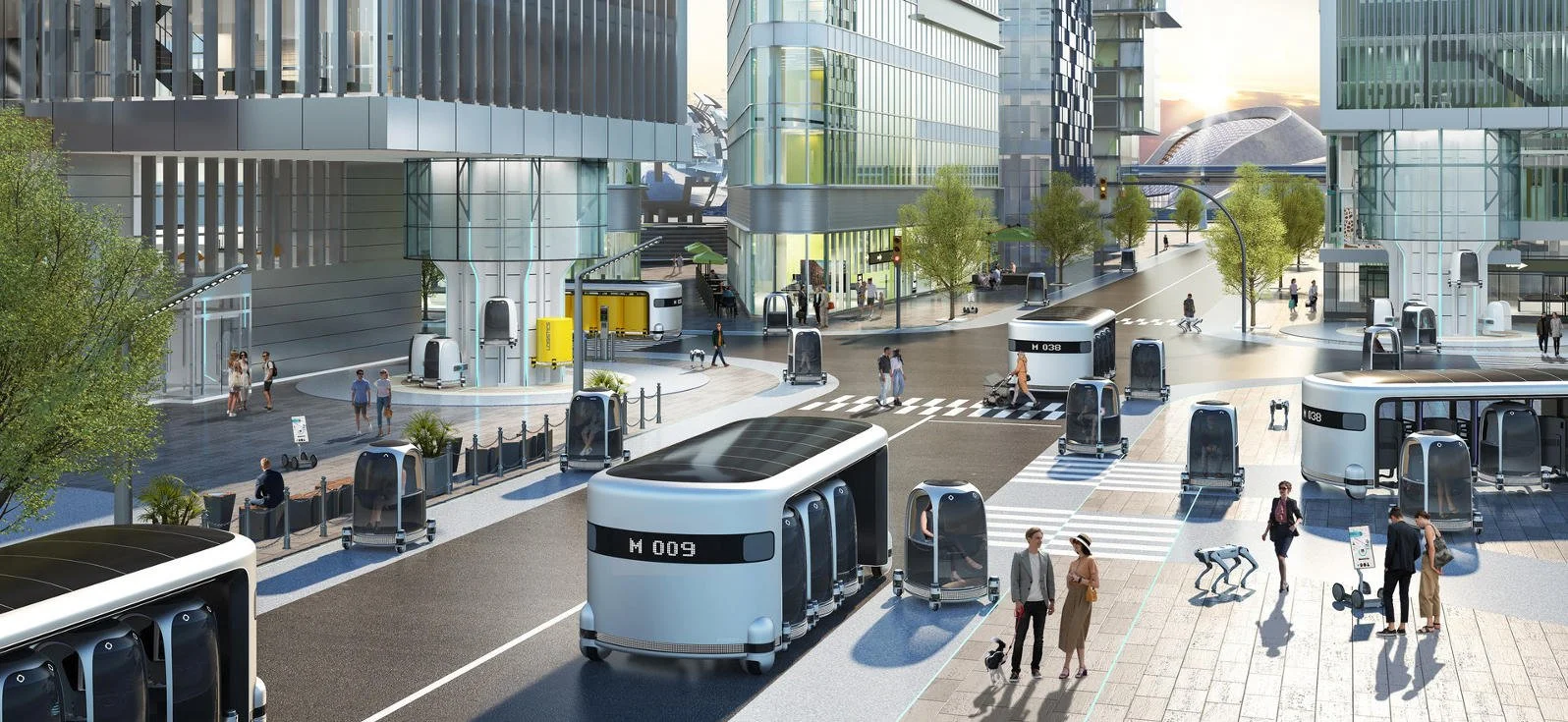
Automobile’s Role Will Persist
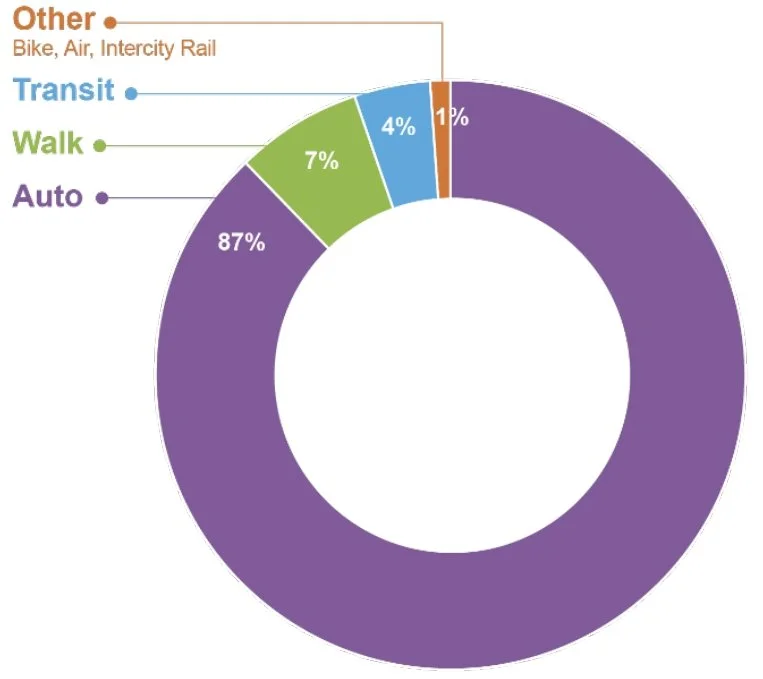
Automobile will still account for the vast majority of trips, while biking, walking and public transit increase only slightly— from 12% in 2015 to 13% in 2050
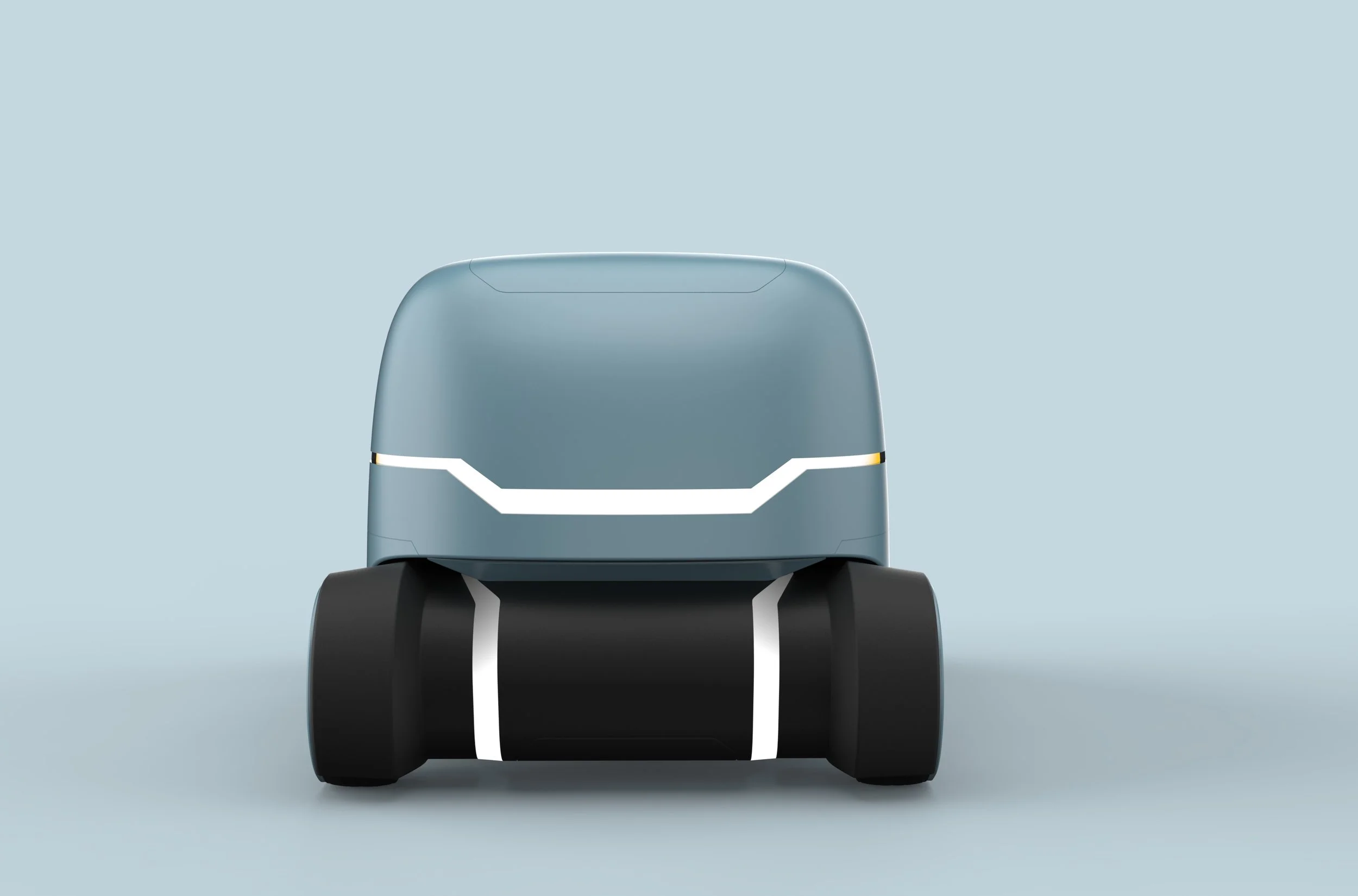
An electric vehicle (The trend of automobile electrification. Low carbon emissions)
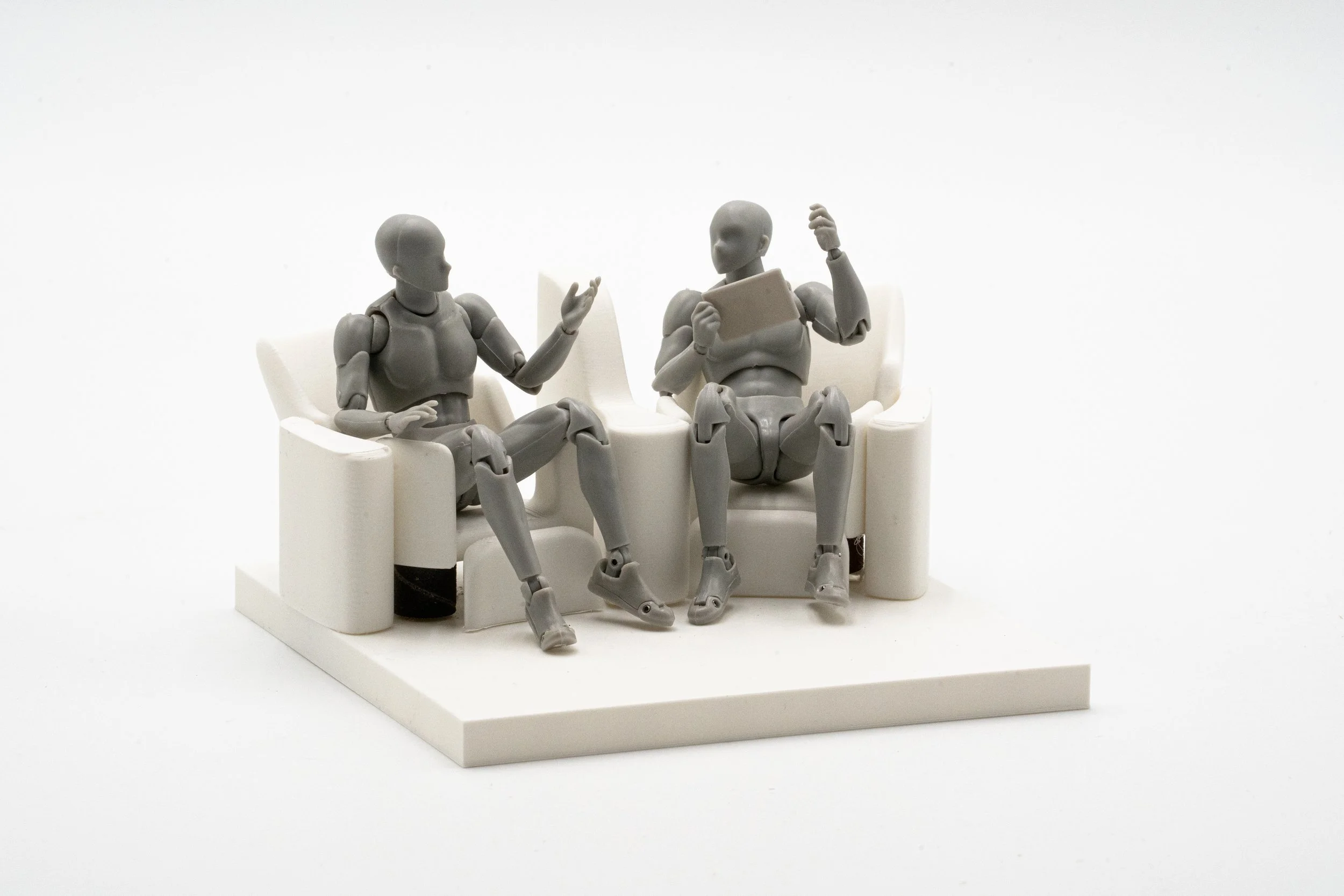
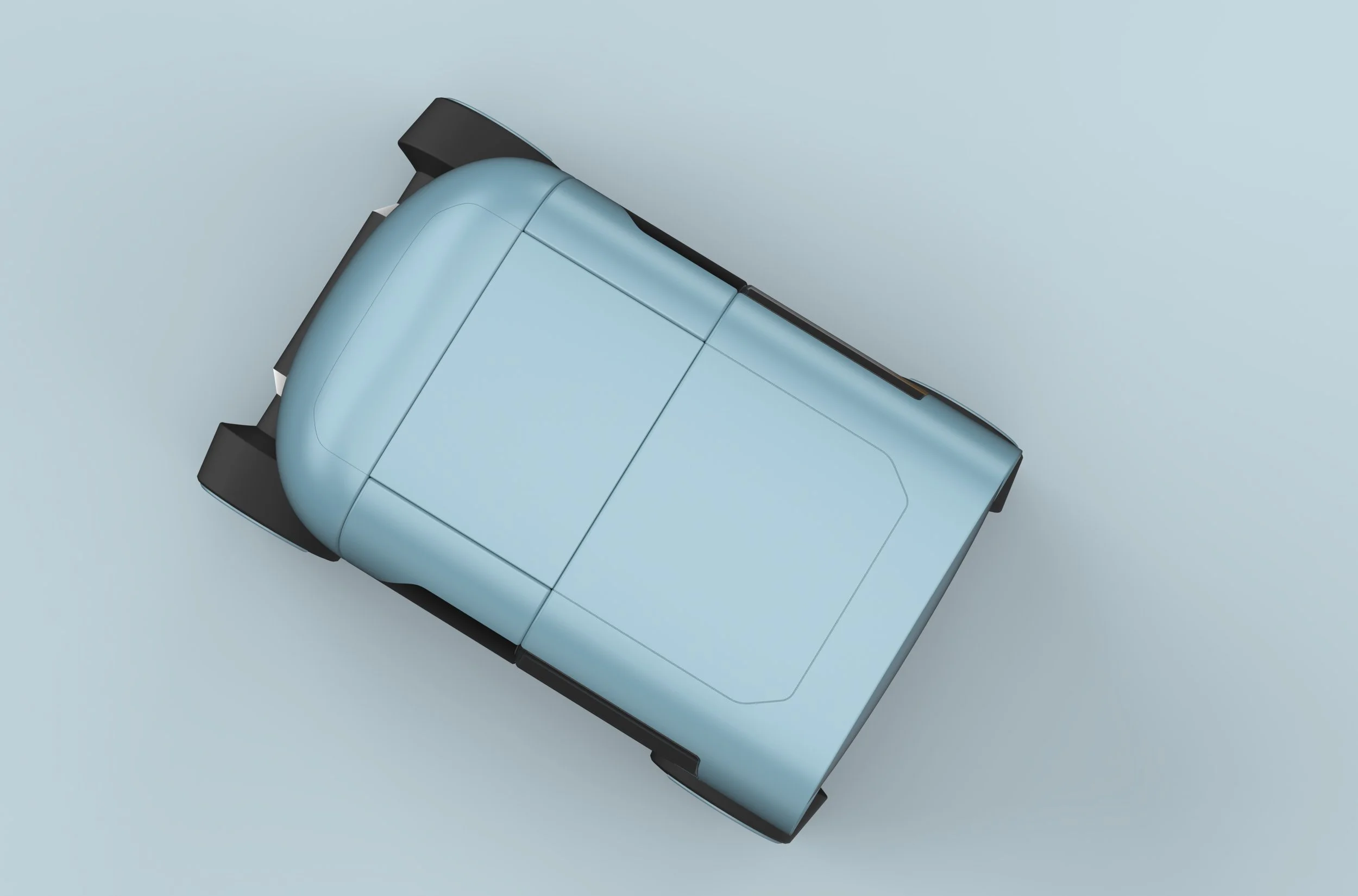
Compact, two-seater vehicle. (The majority of urban trips are short and made by one to two people)
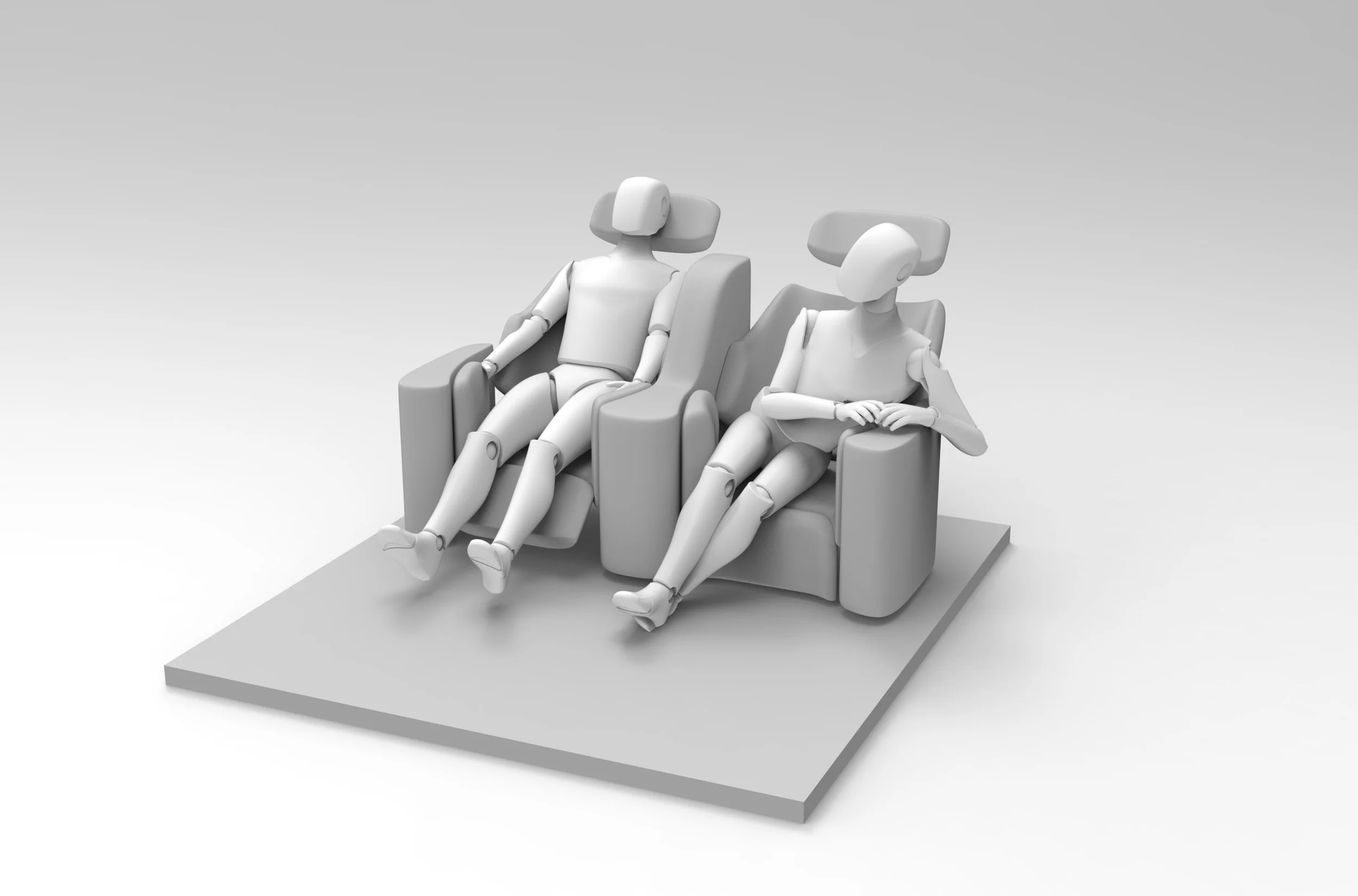
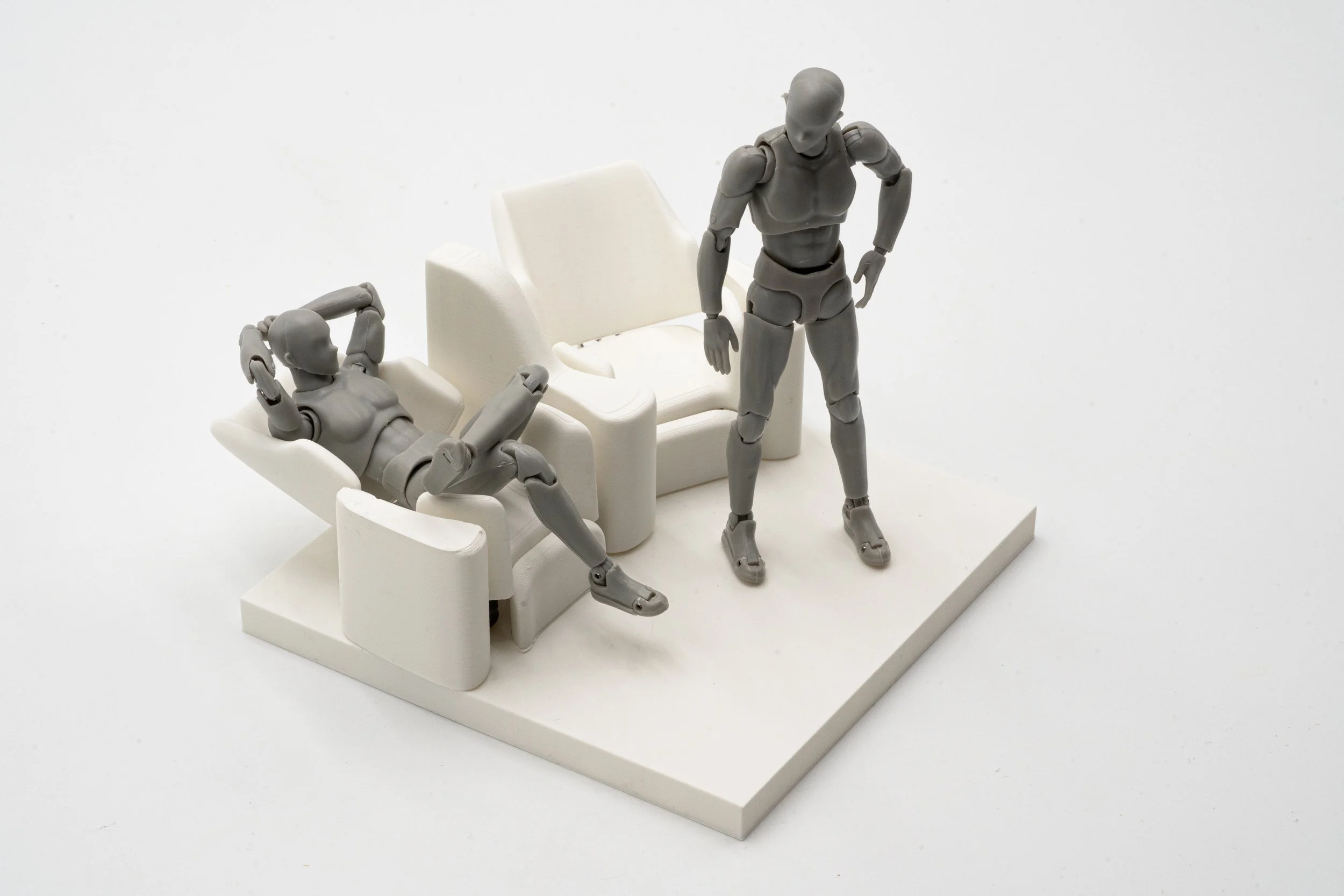
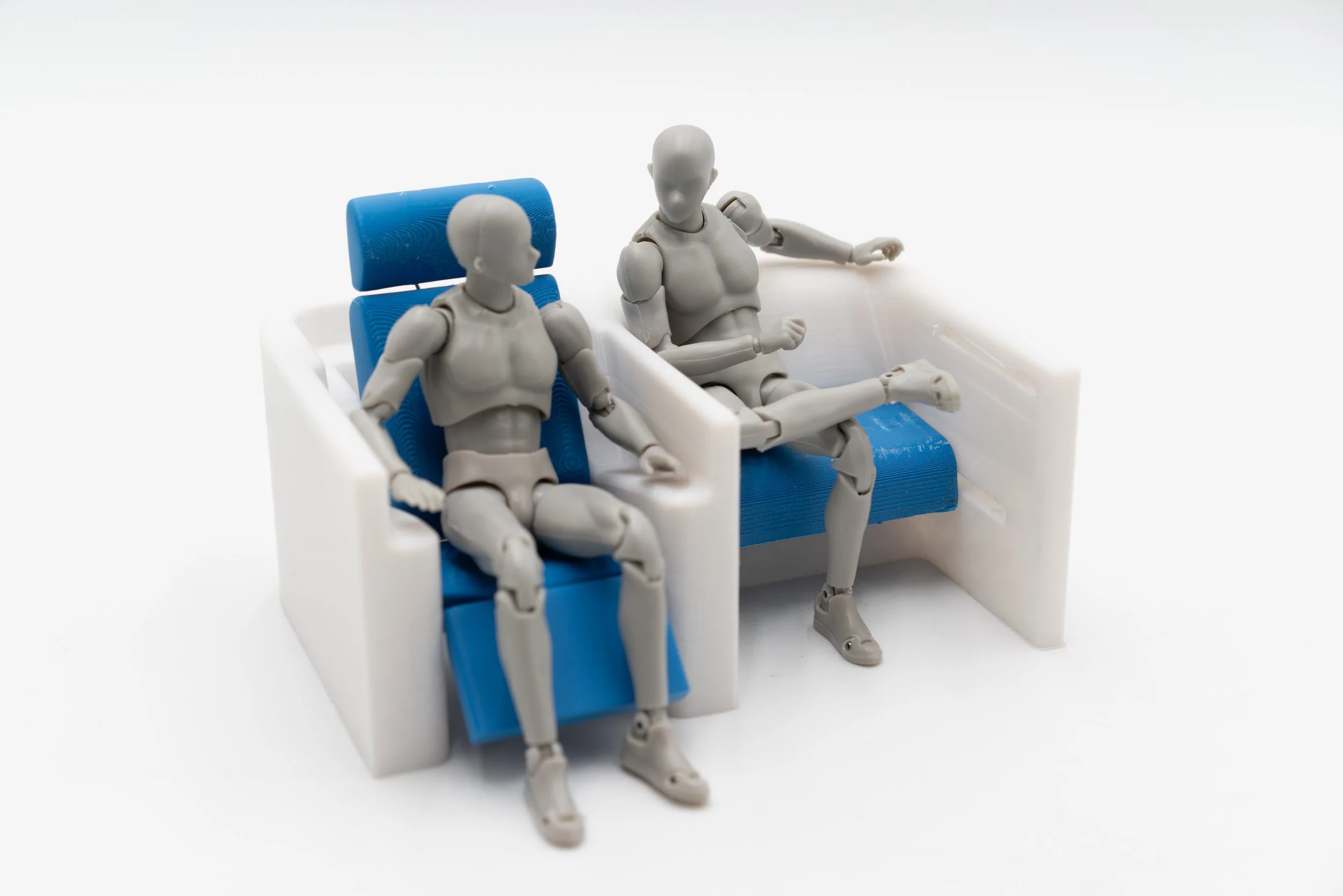
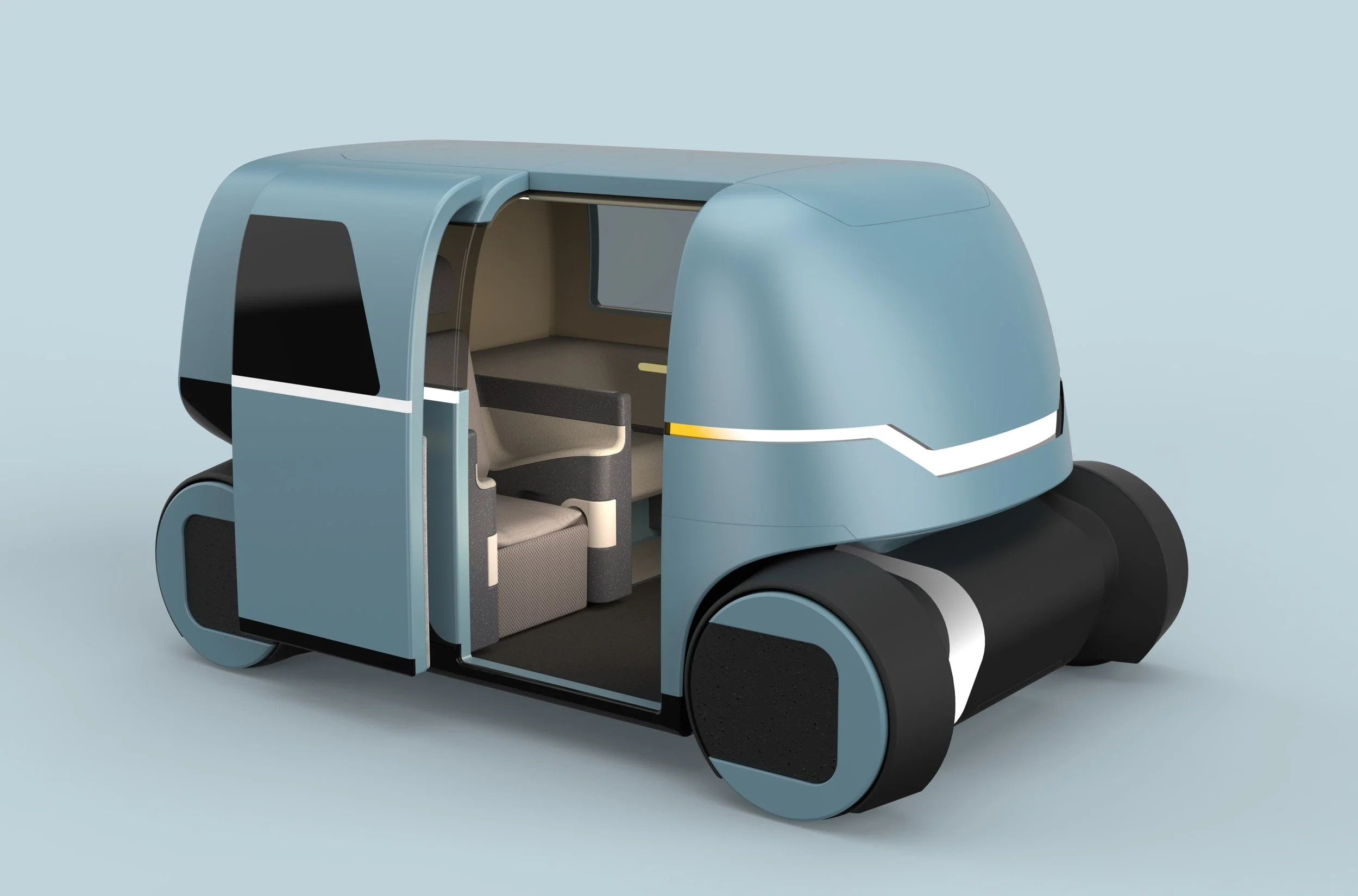
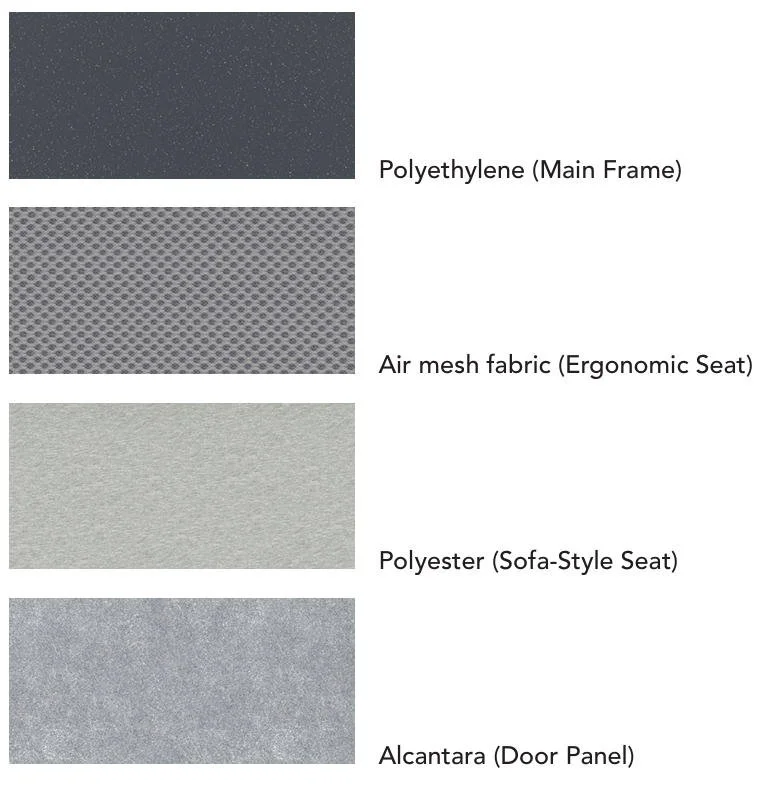
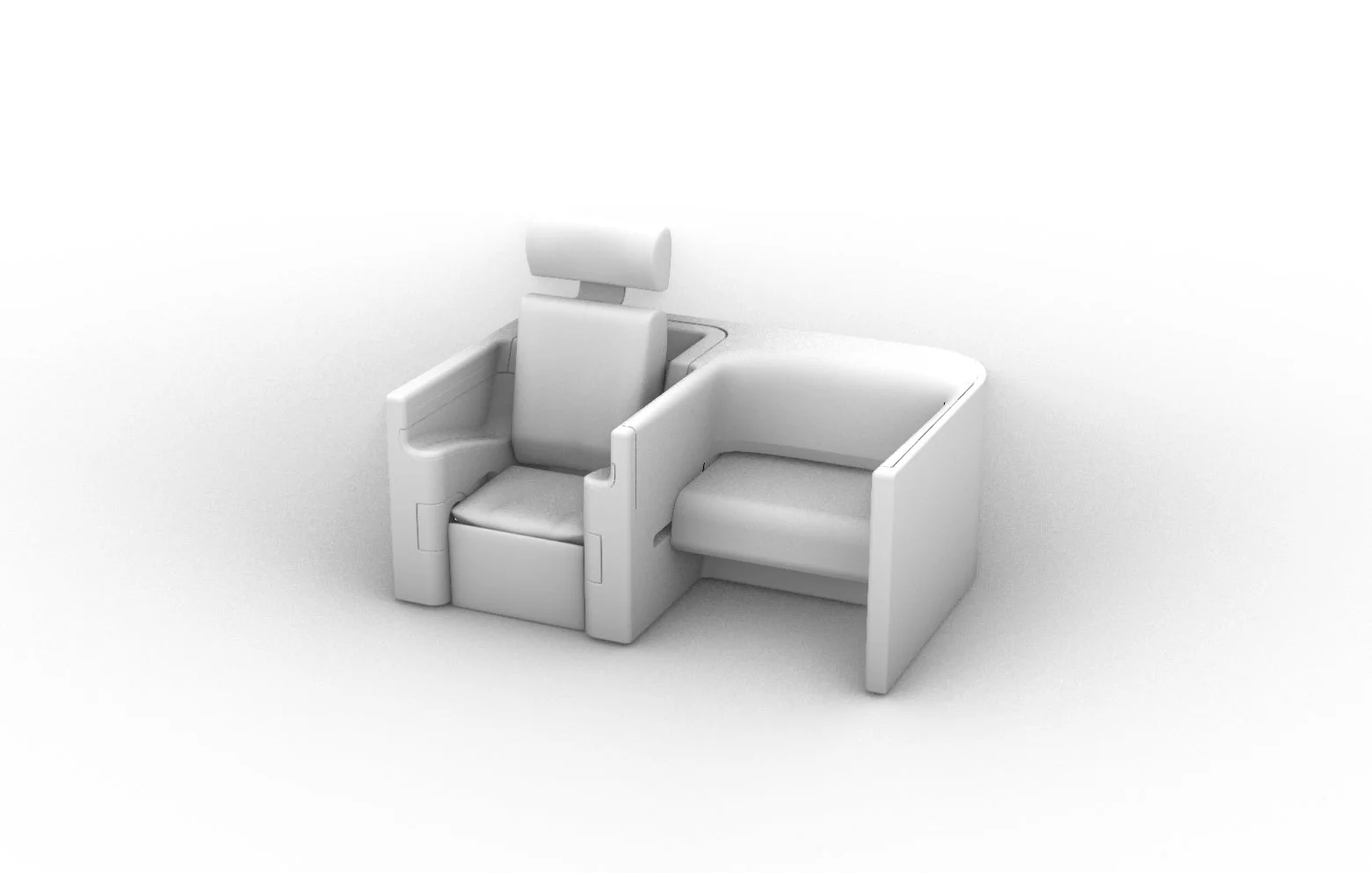
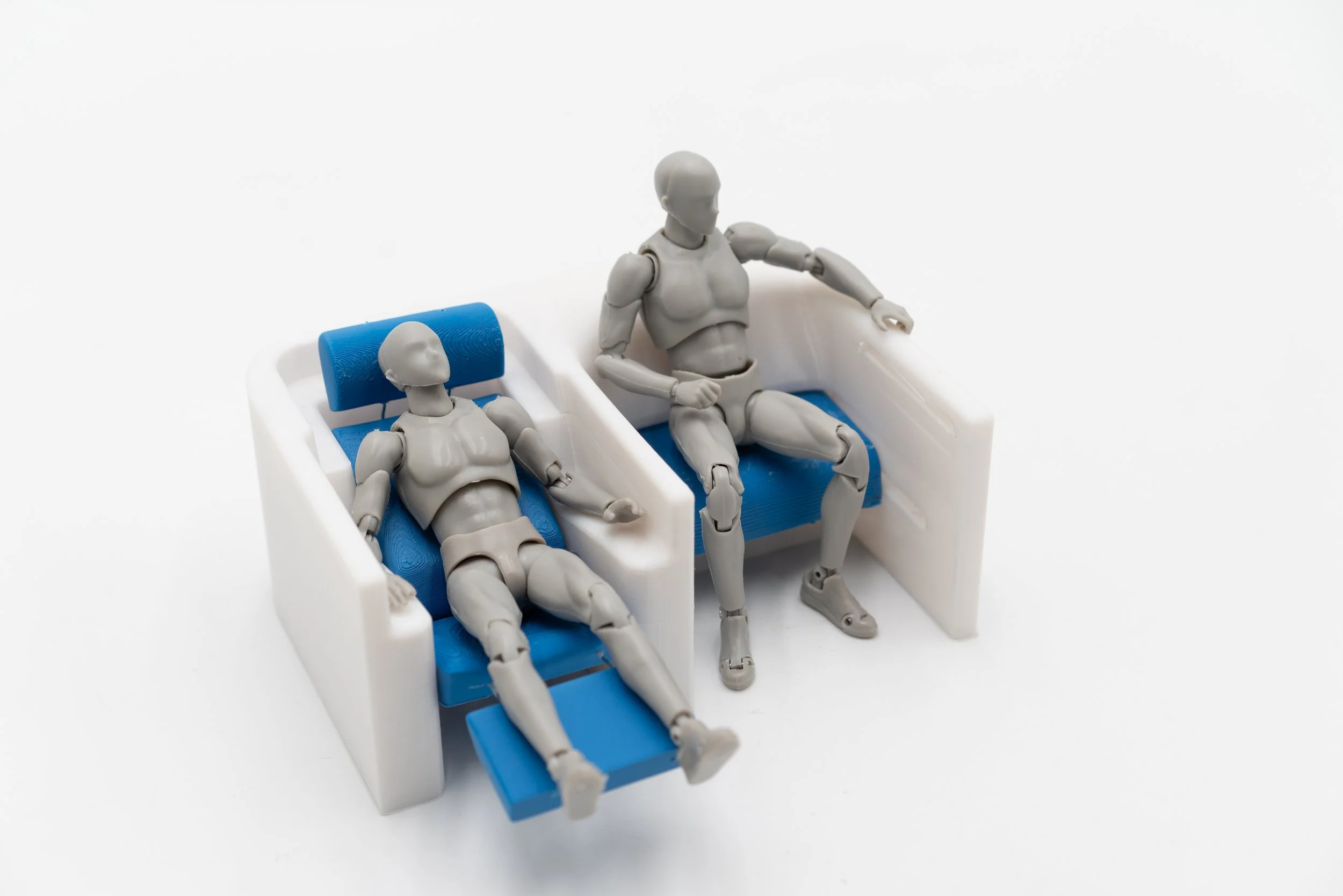
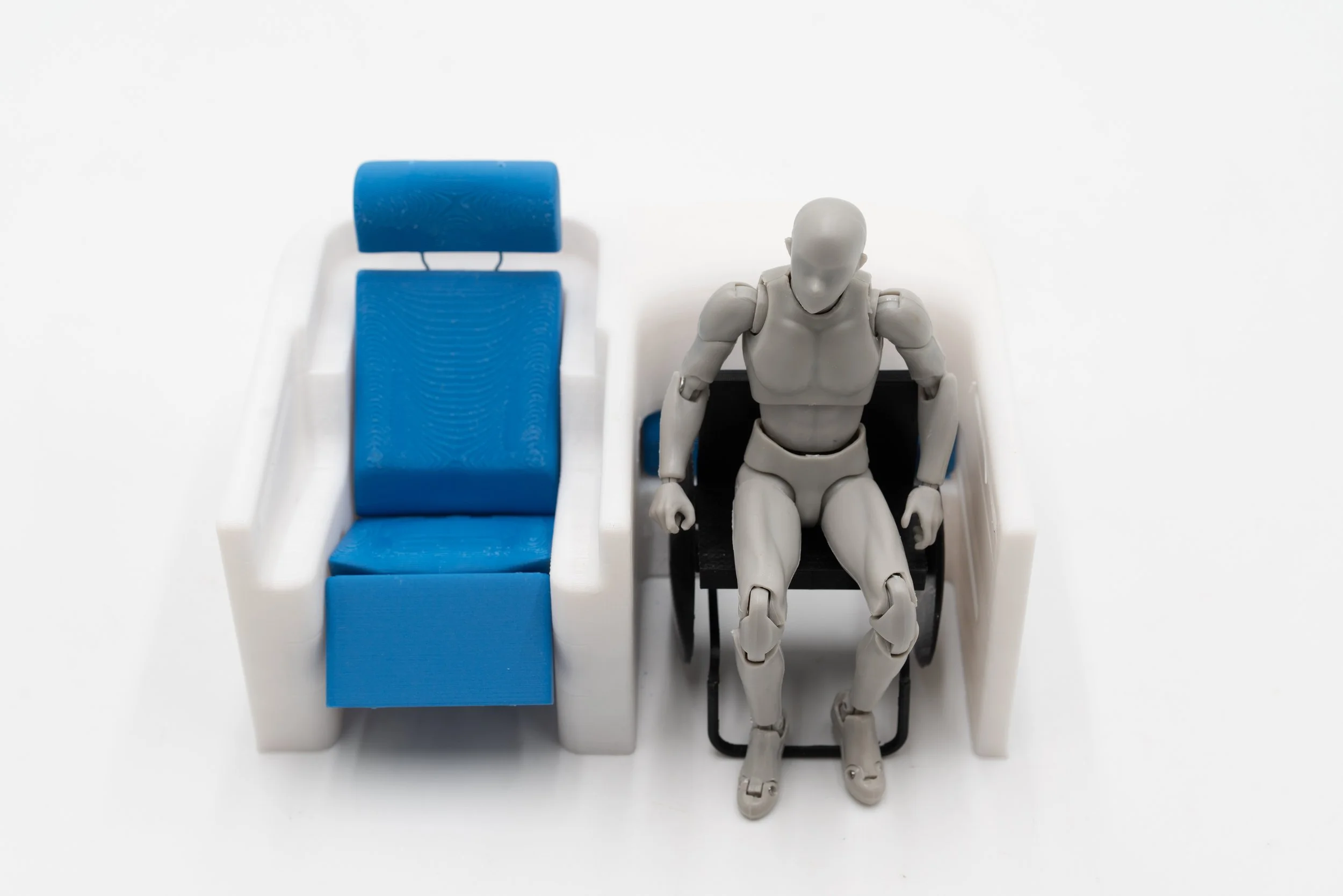
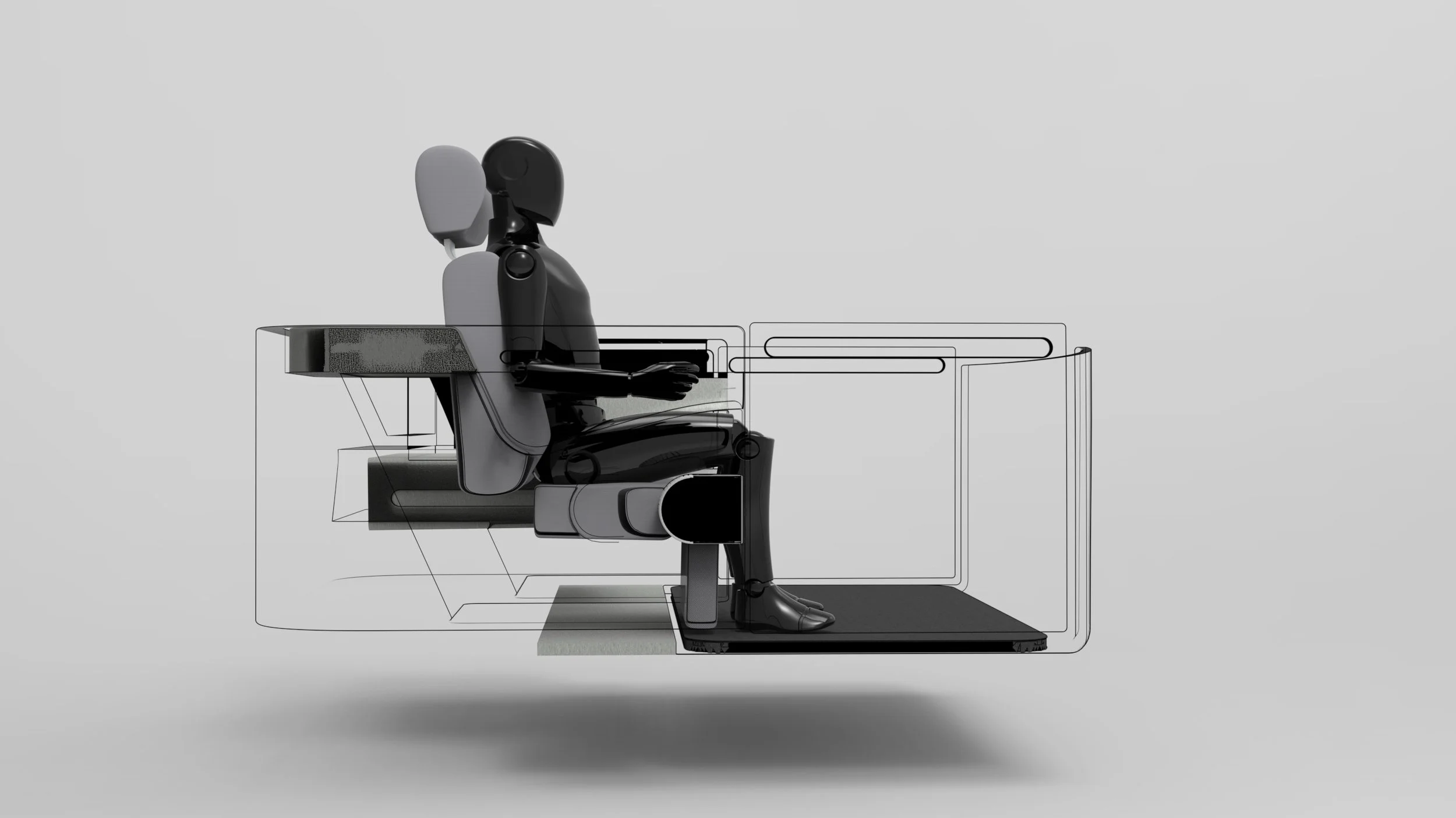
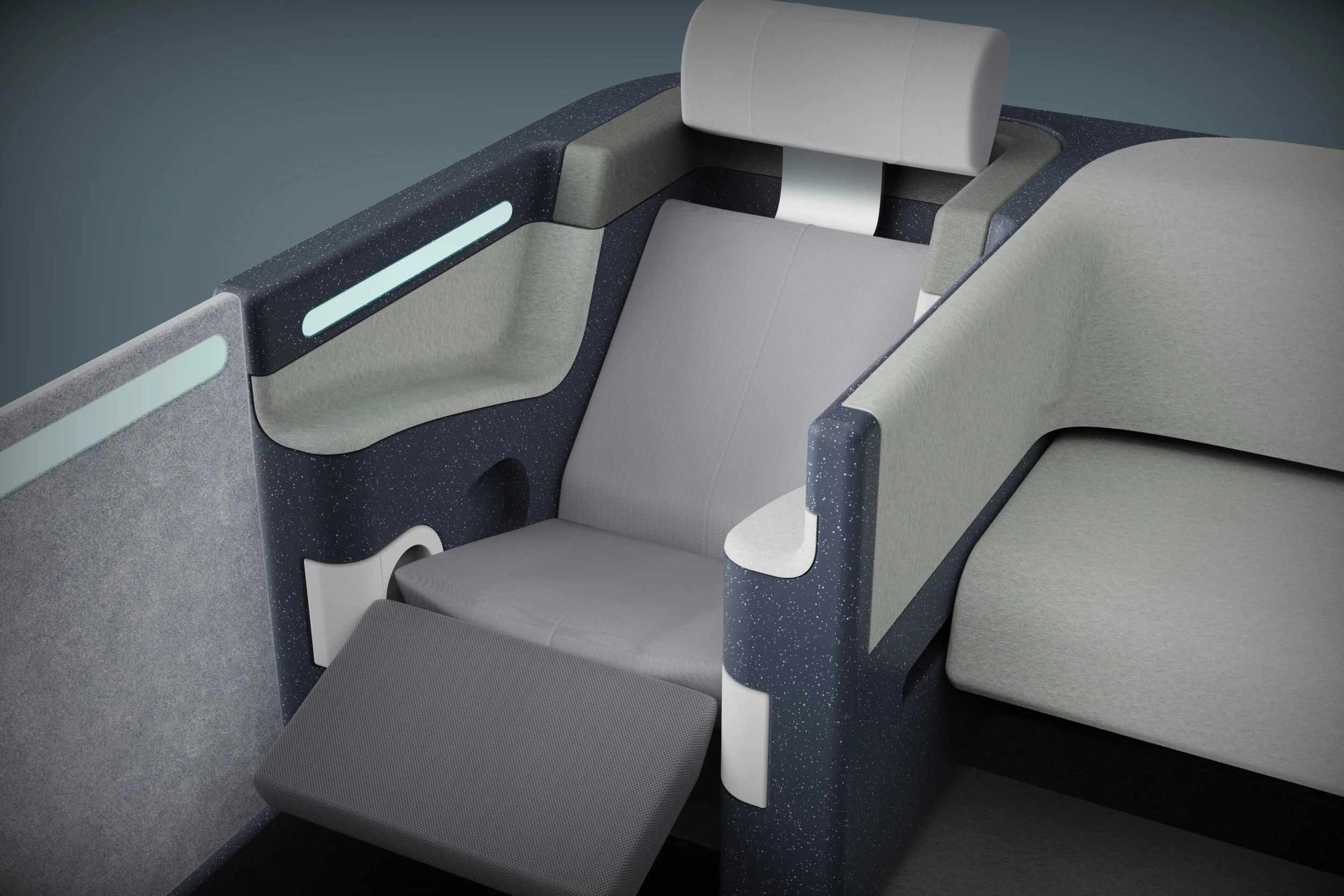
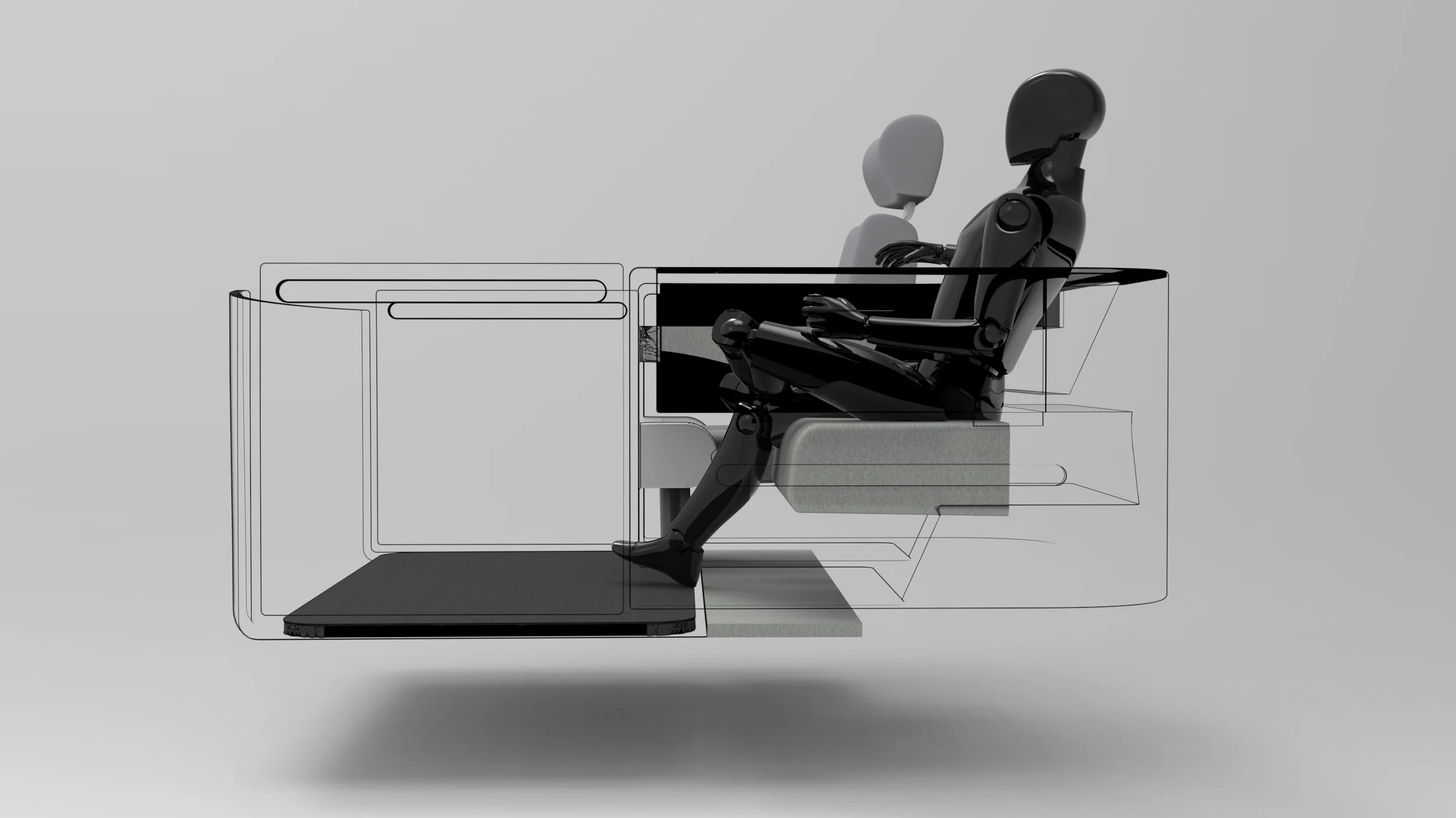
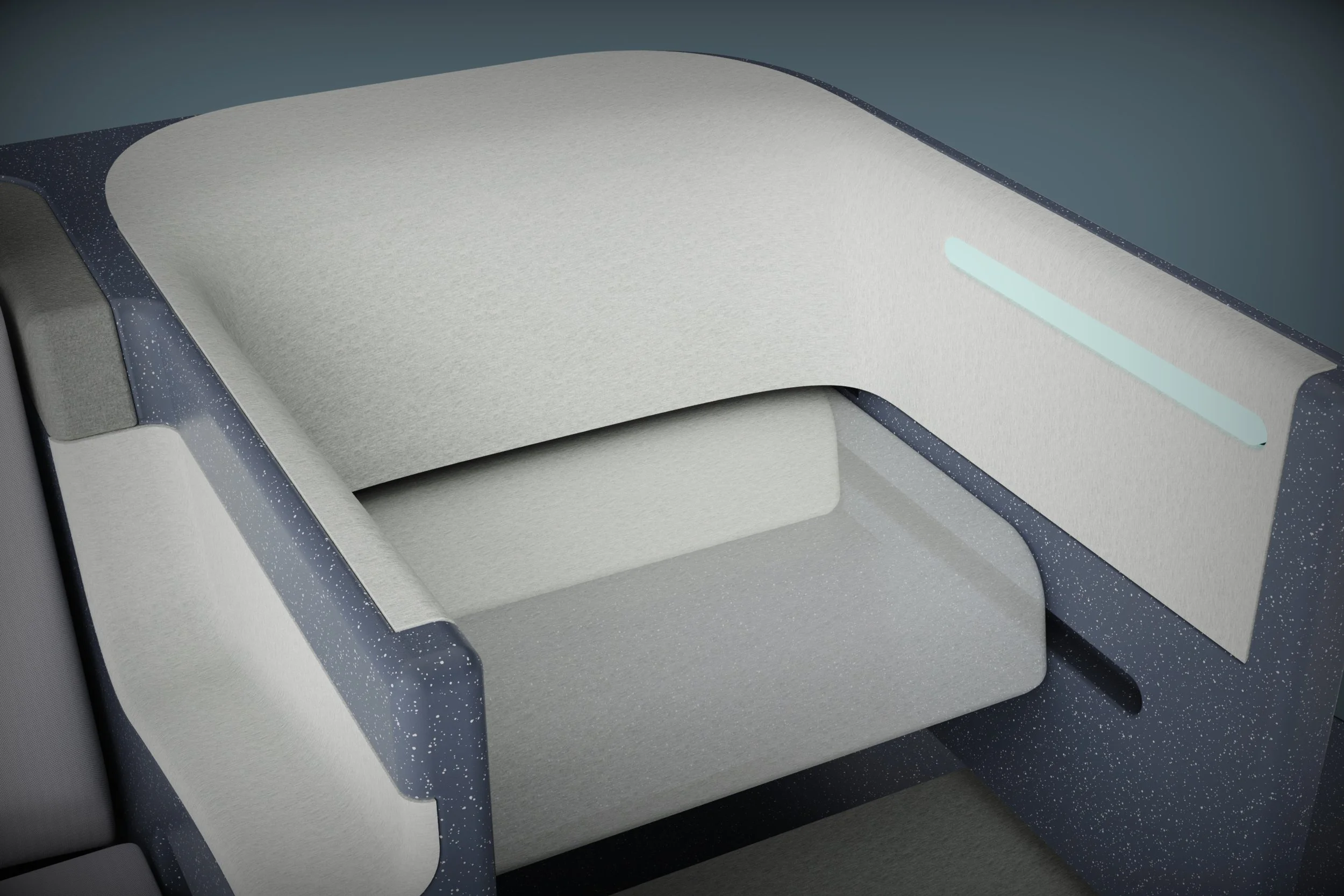
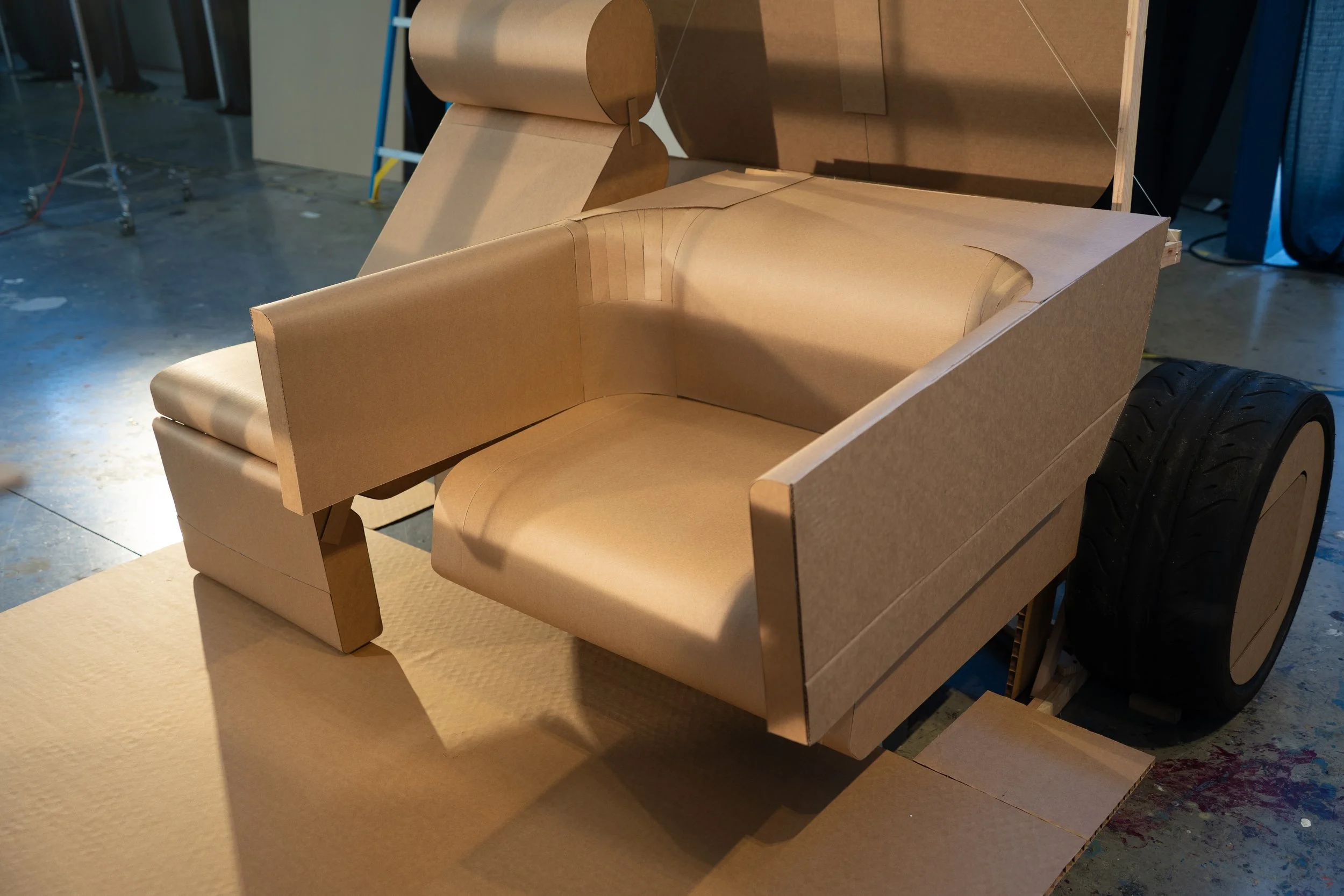
The interior features an ergonomic seat ( standard upright posture) and a wider, sofa-style seat (accommodate larger body types or passengers who need more space)
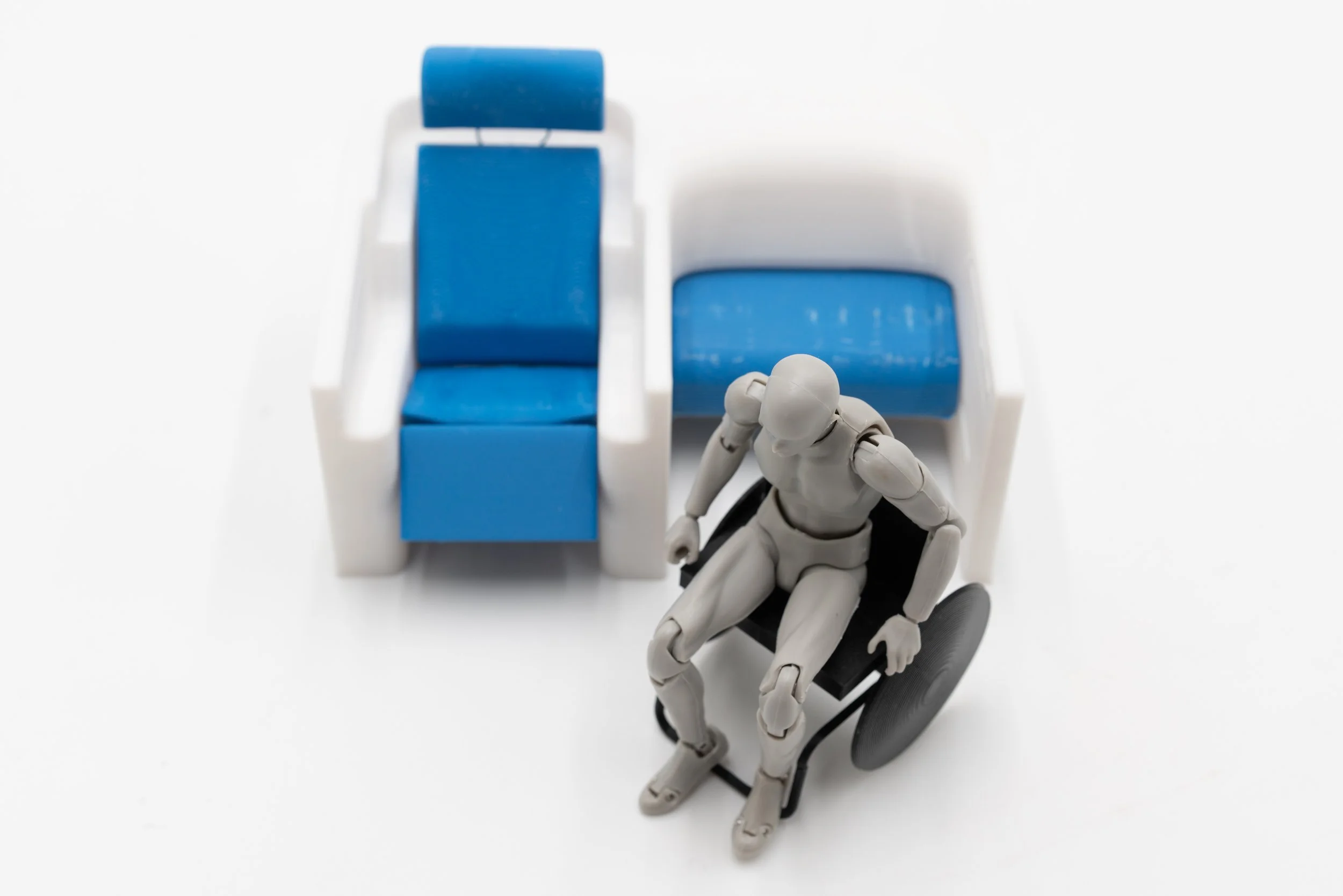
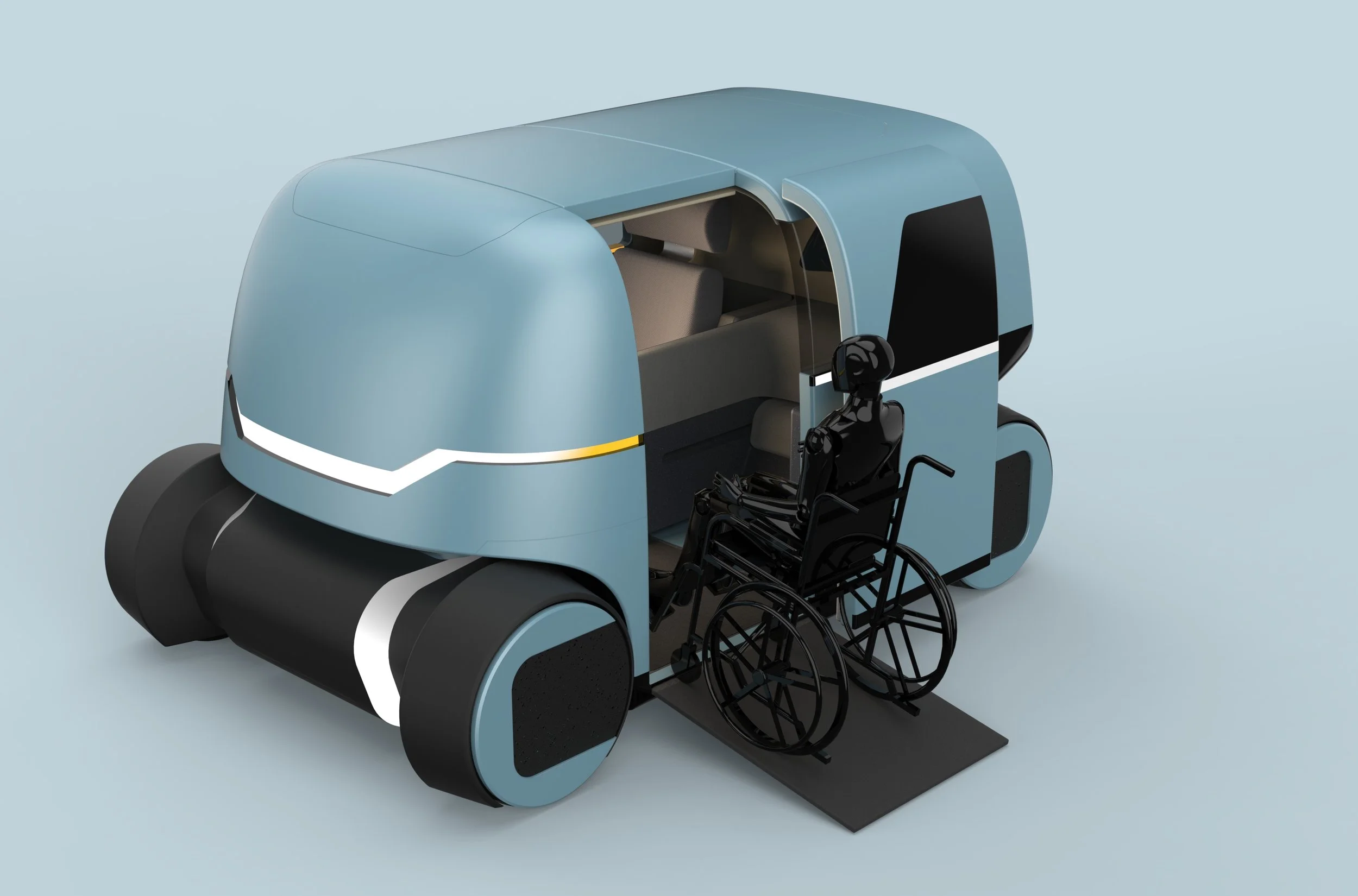
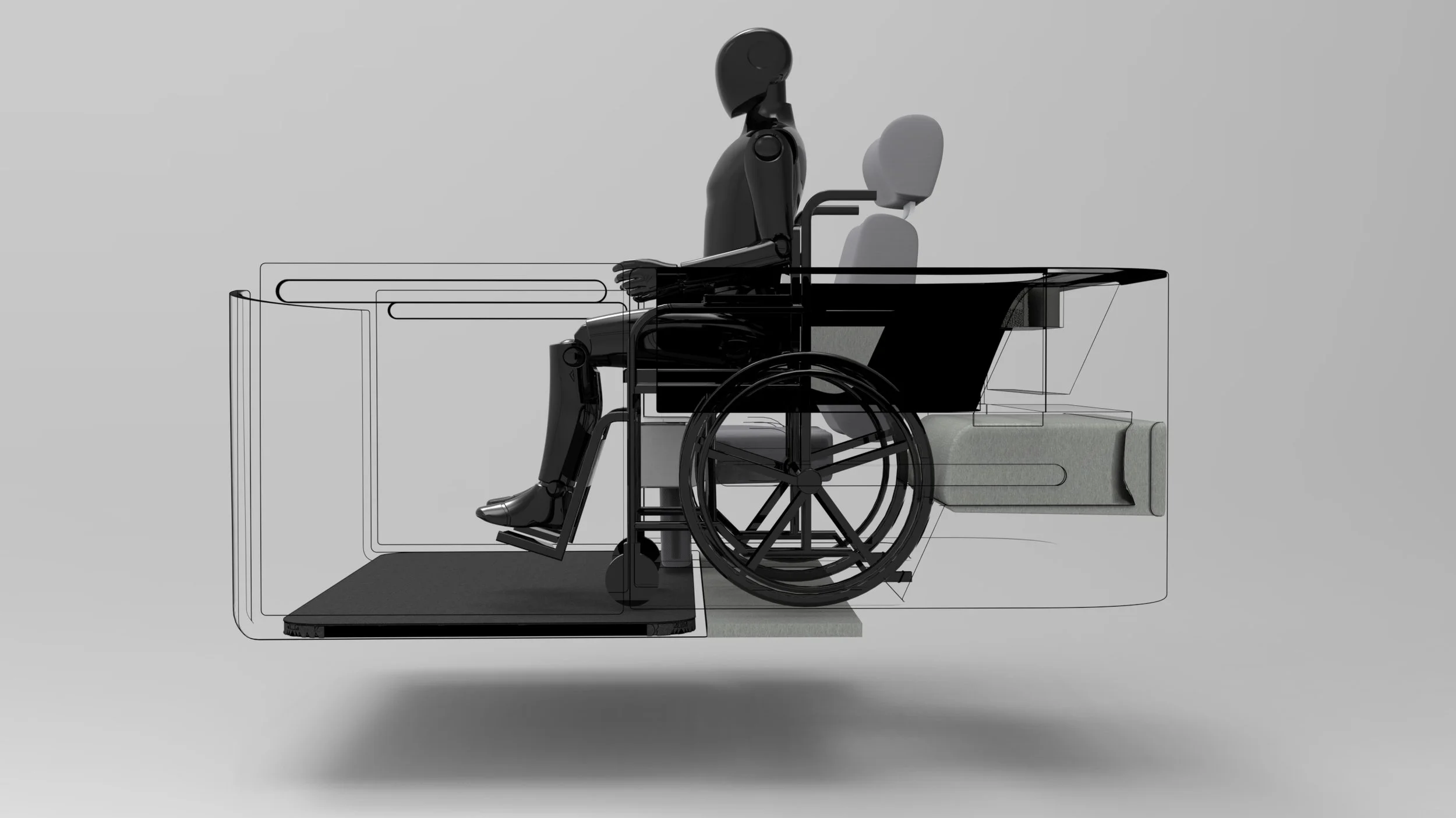
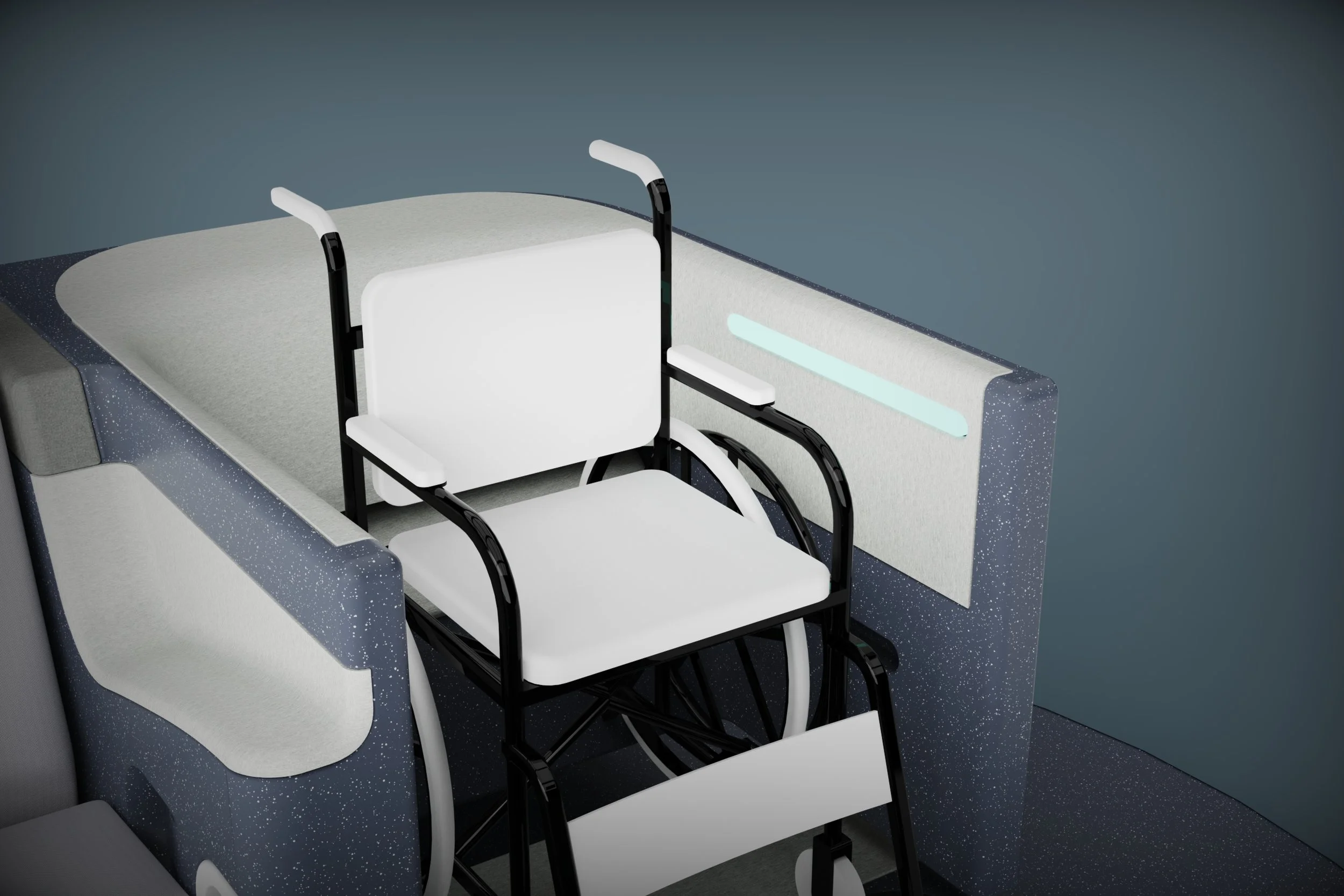
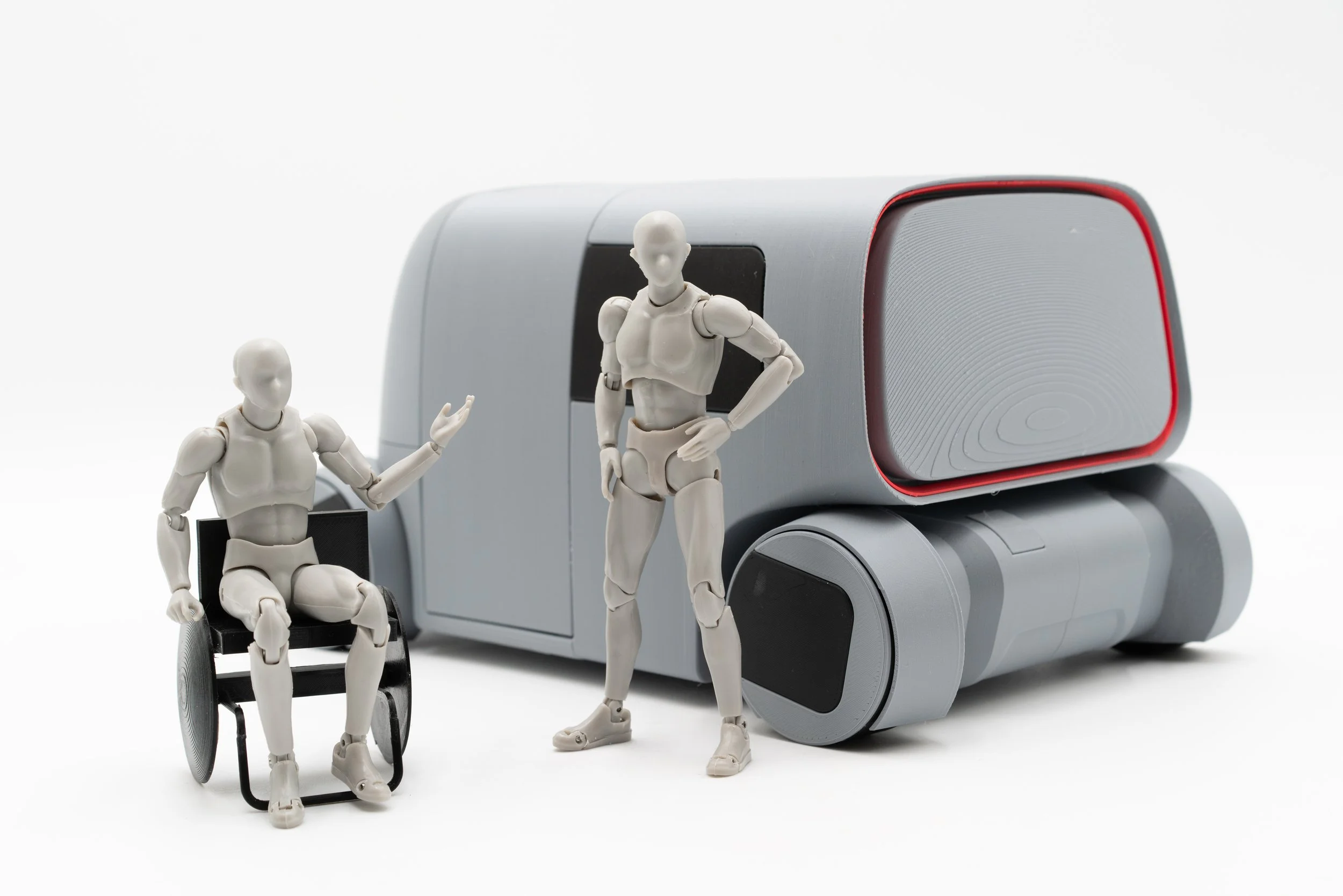
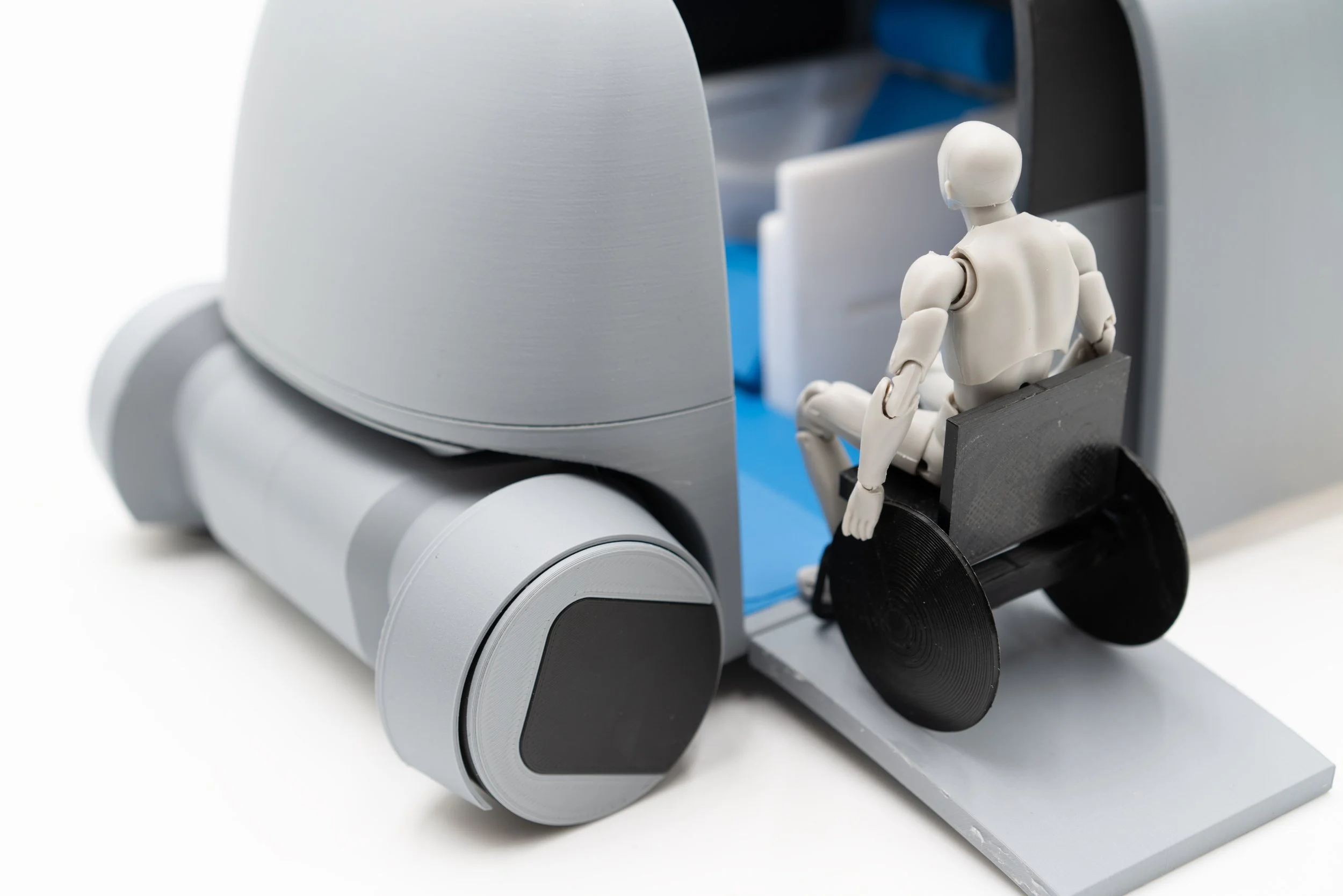
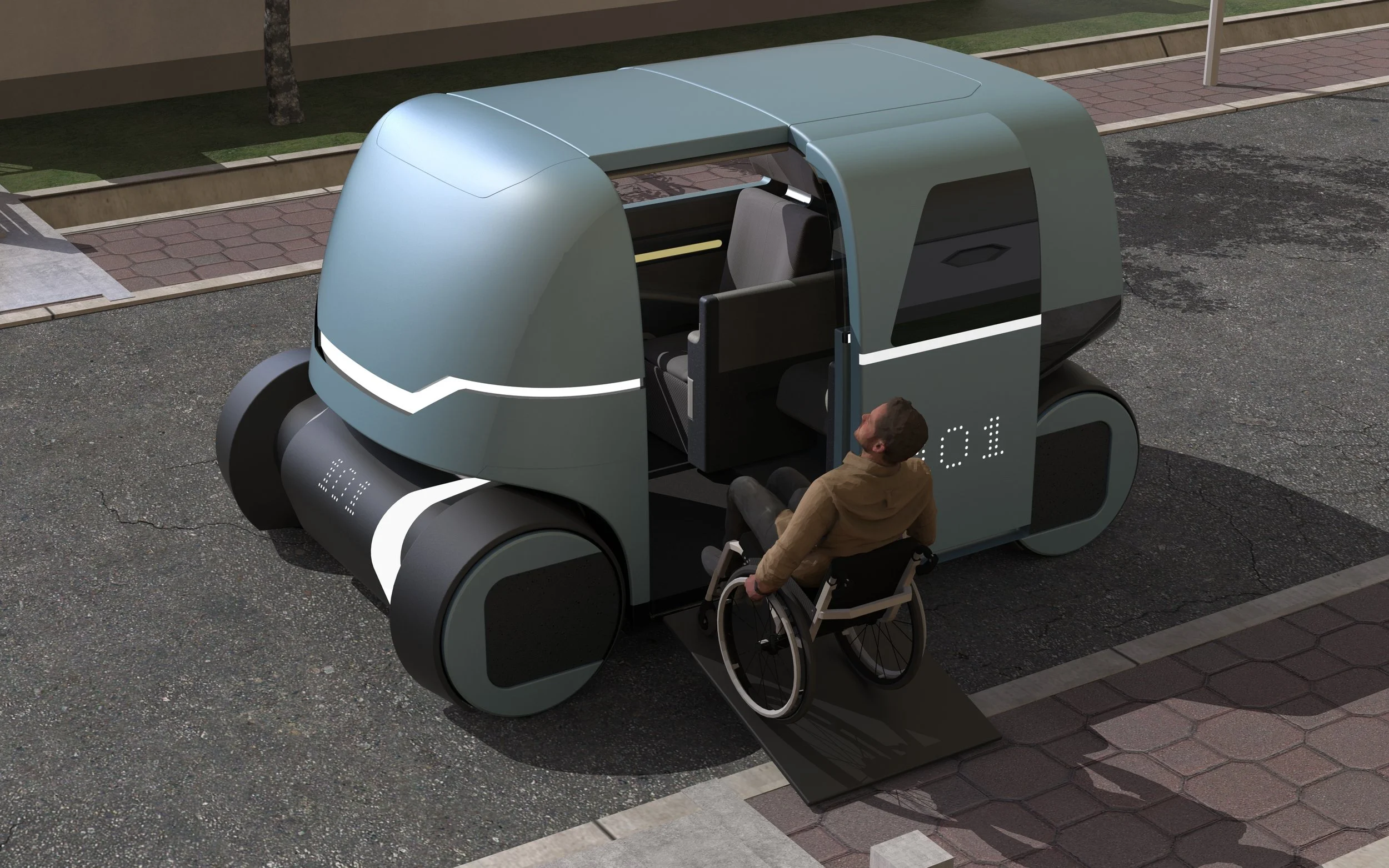
Wheelchair-accessible entry space (responding to the increasing needs of an aging population)
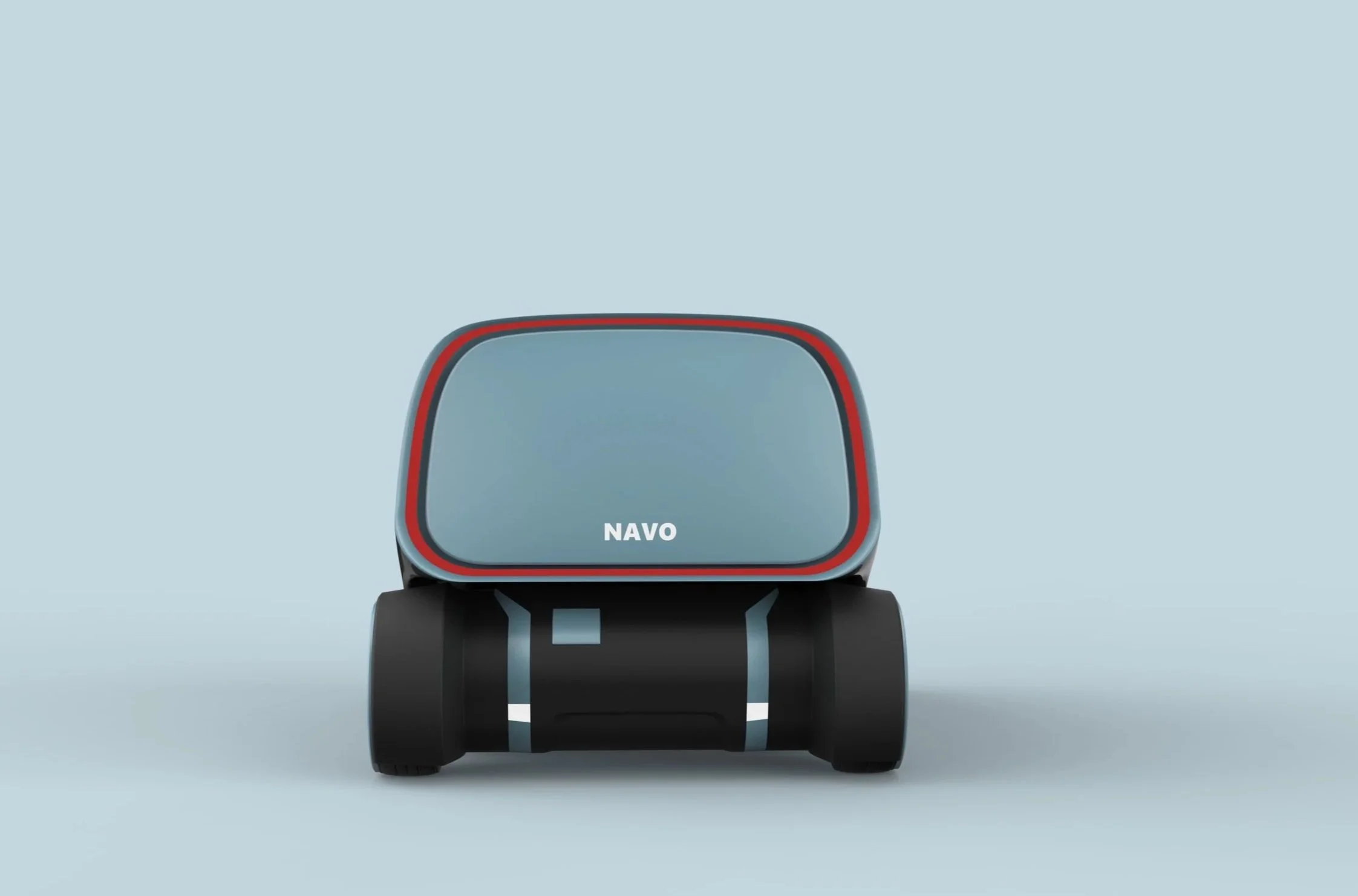
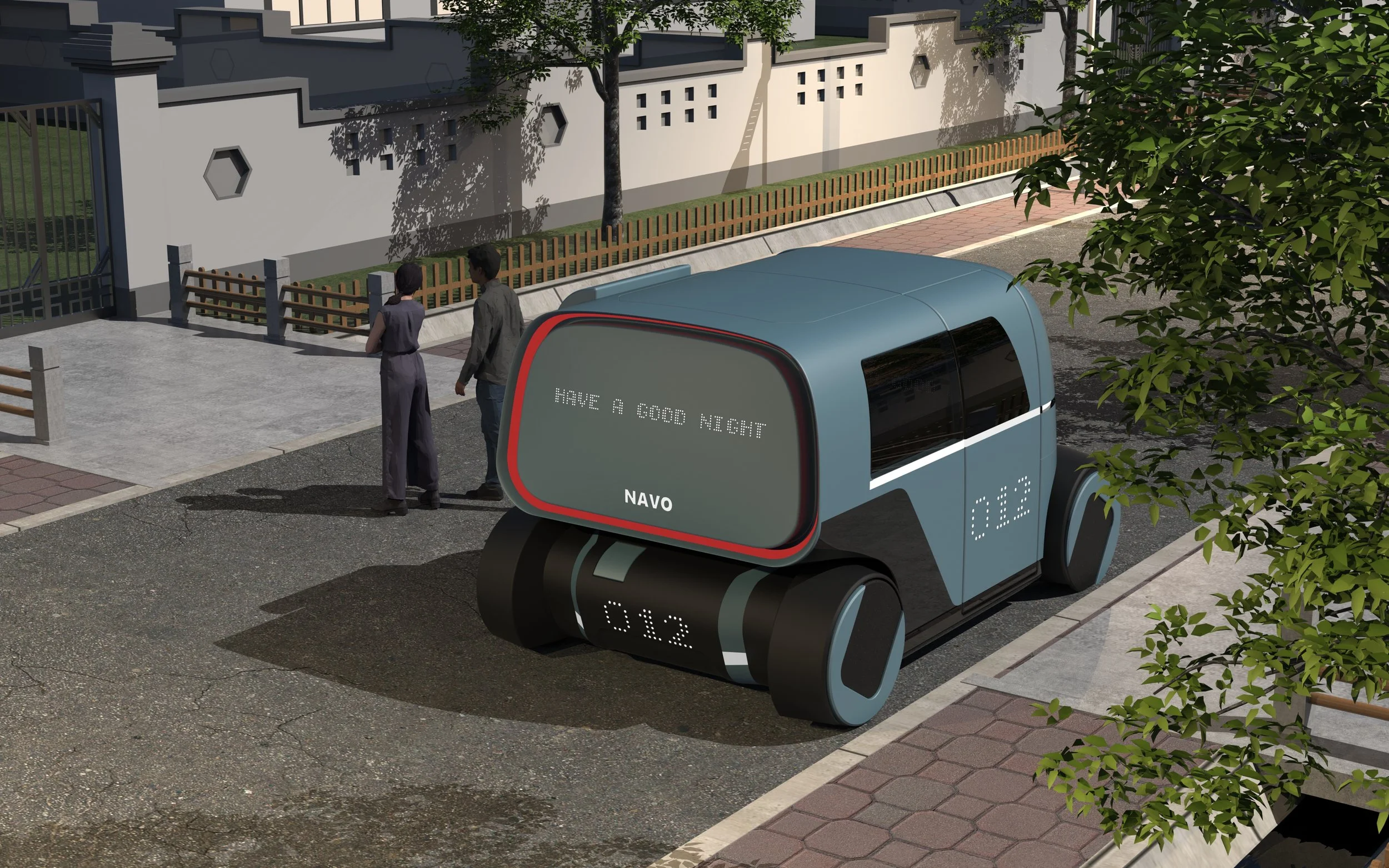
Large led screen (real-time trip information and personalized entertainment content)
Customizable features like sitting position memory, interior lighting, odor, etc. (enhancing connections between vehicle and user to make the experience “more personal” in lieu of ownership)
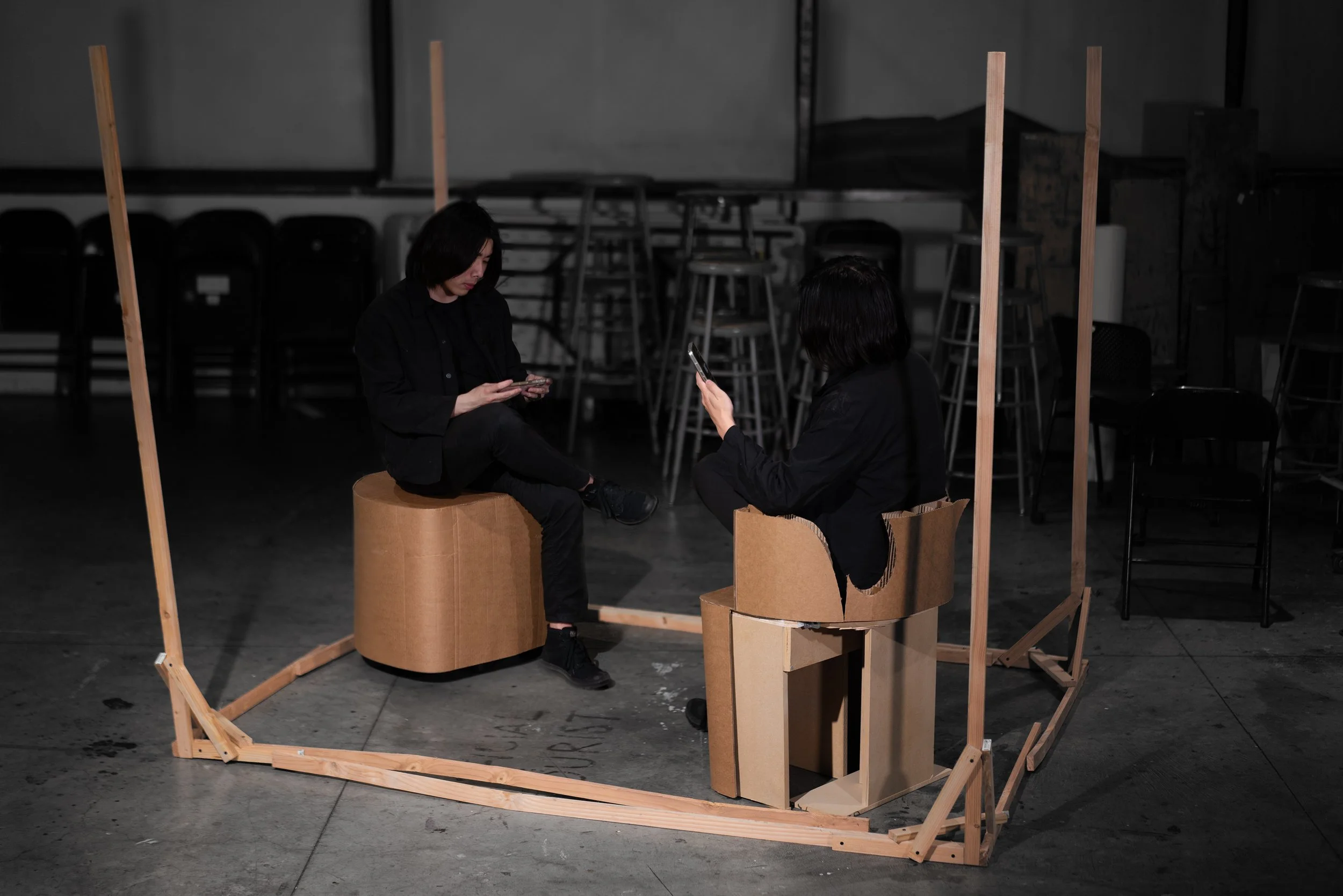
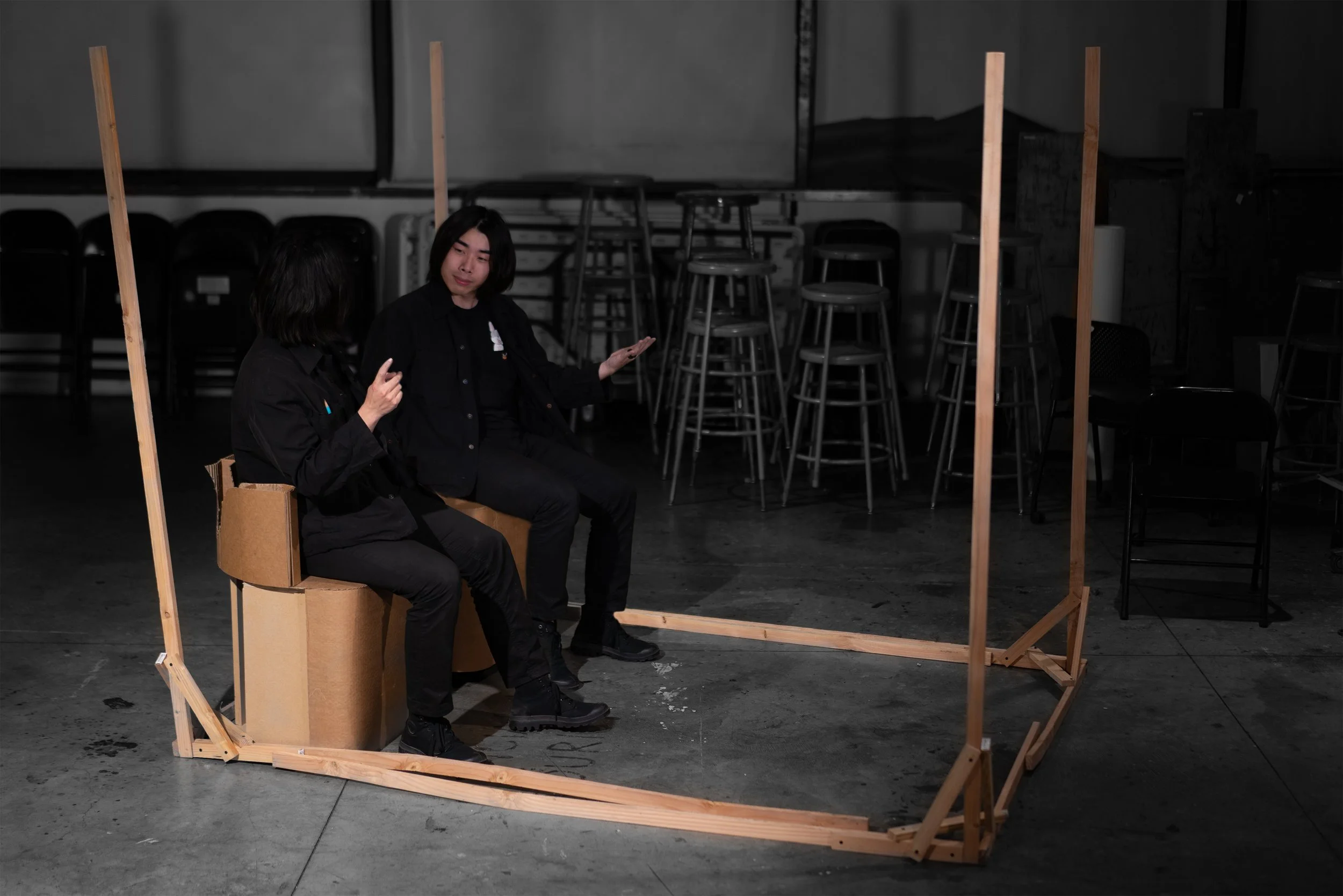
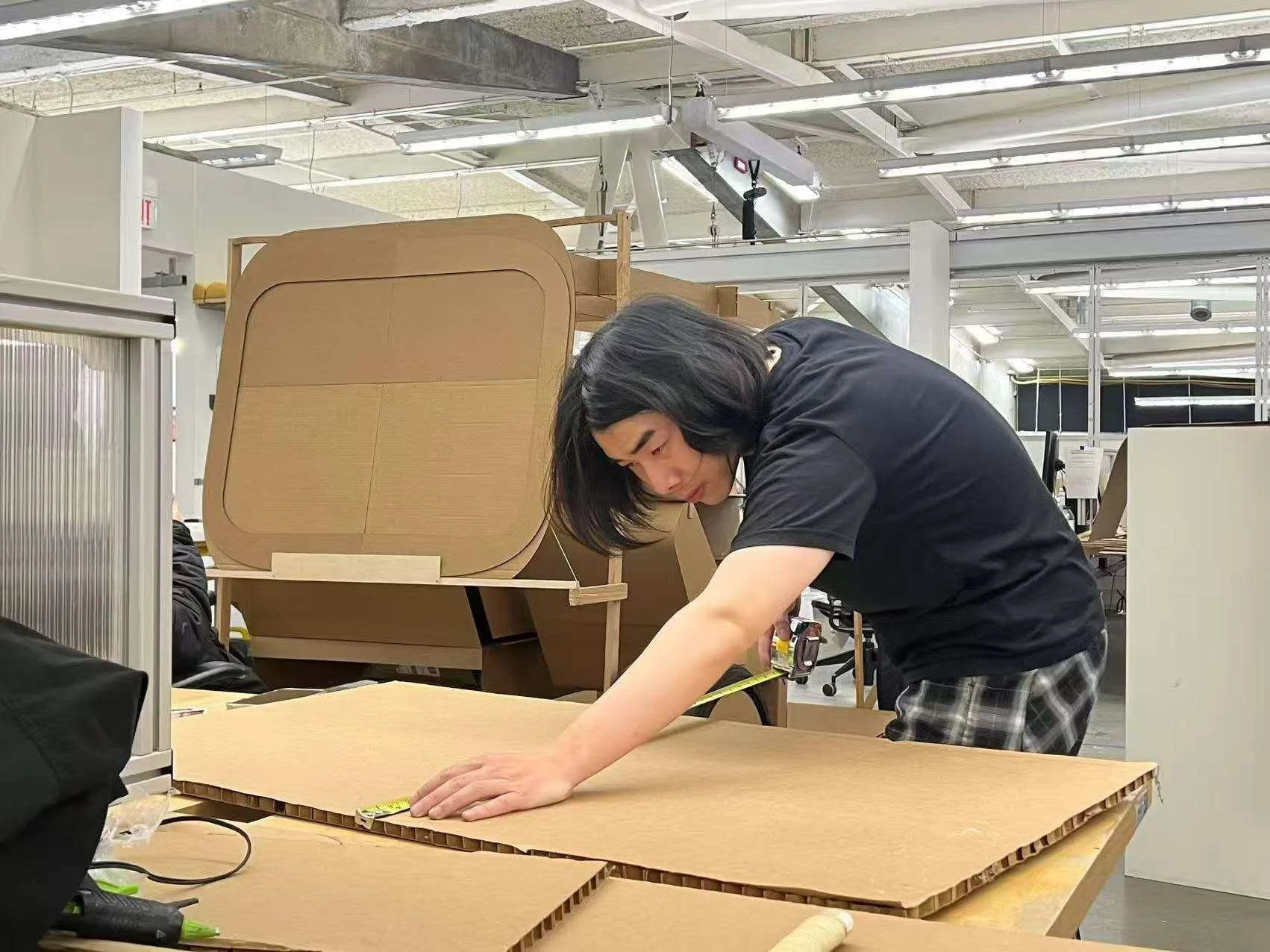
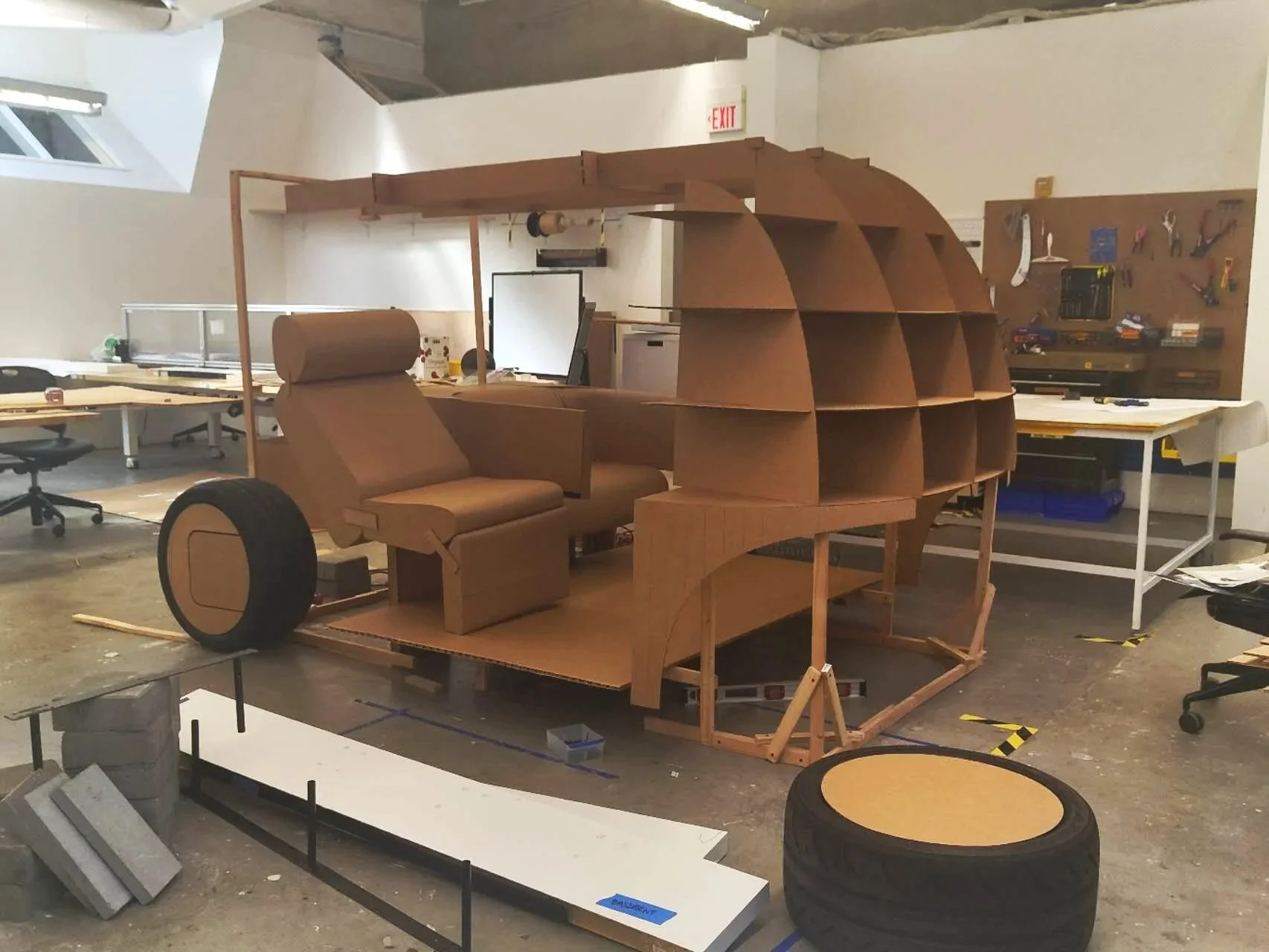
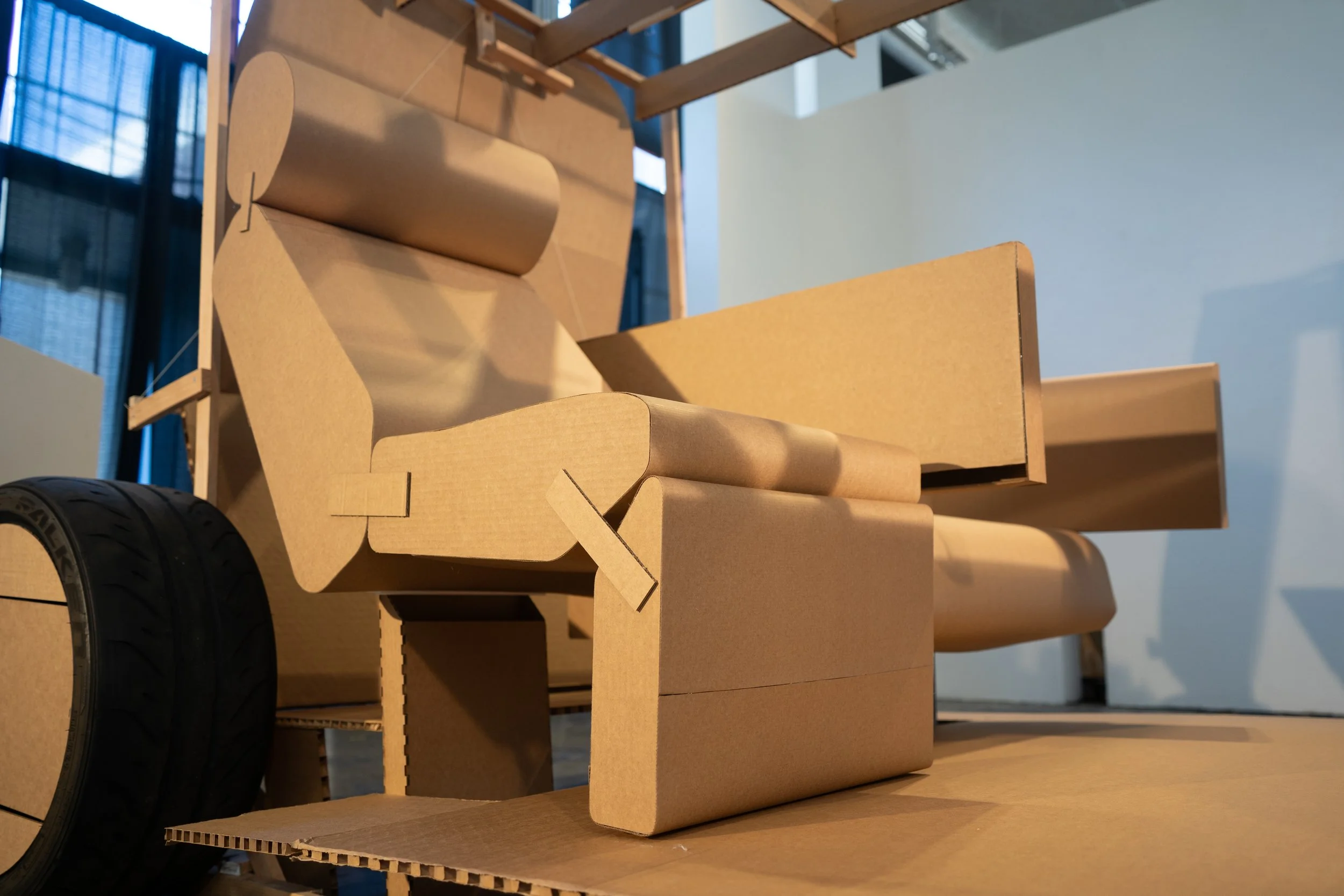
I decided to build a full-scale interior space and seats out of cardboard and wood to experiment with the layout of the space
First Interior Prototype
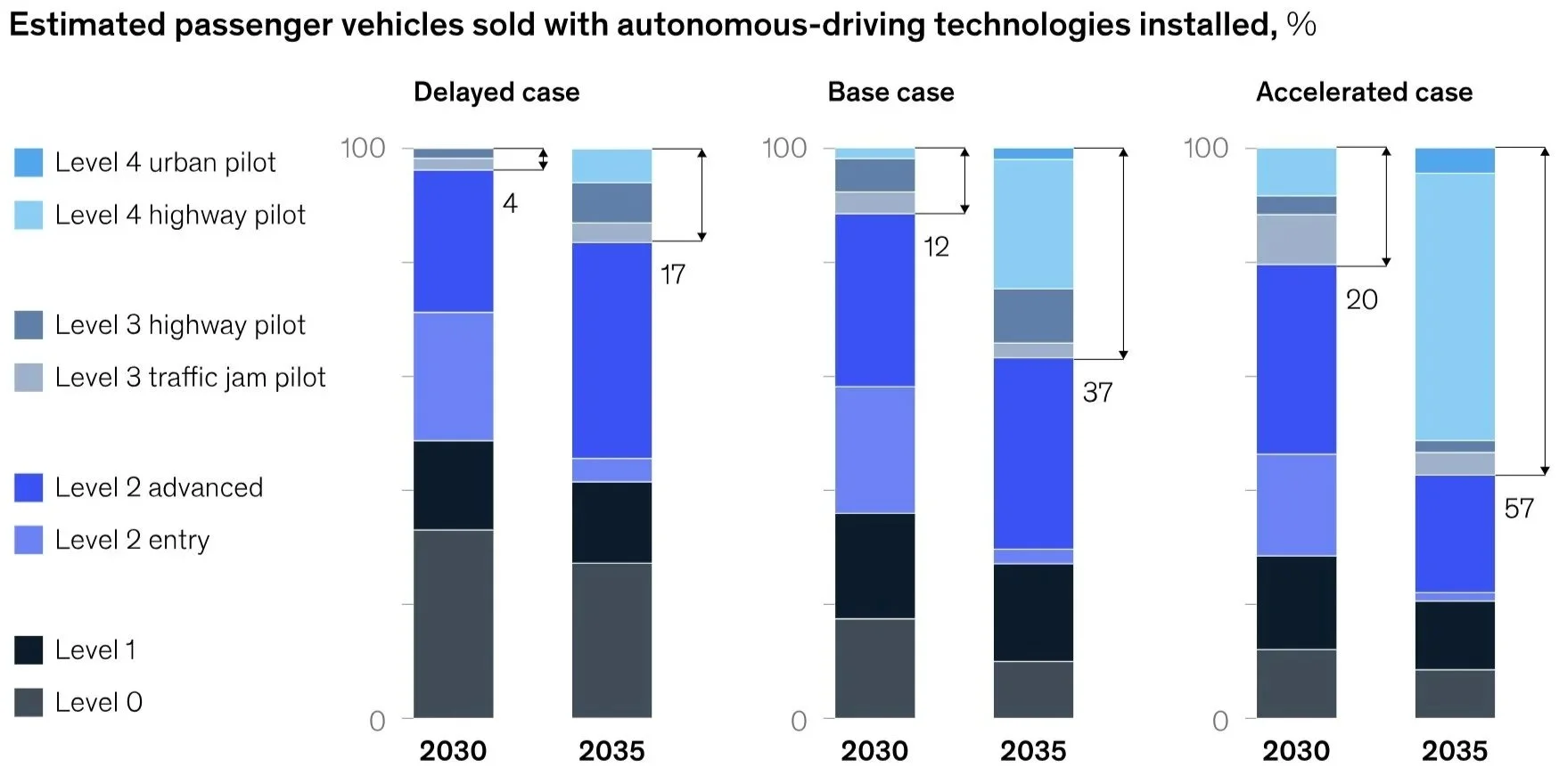
Design Direction
High-Level Automation
High-level automation (L4–L5) becoming increasingly mainstream by 2045–2050
2015

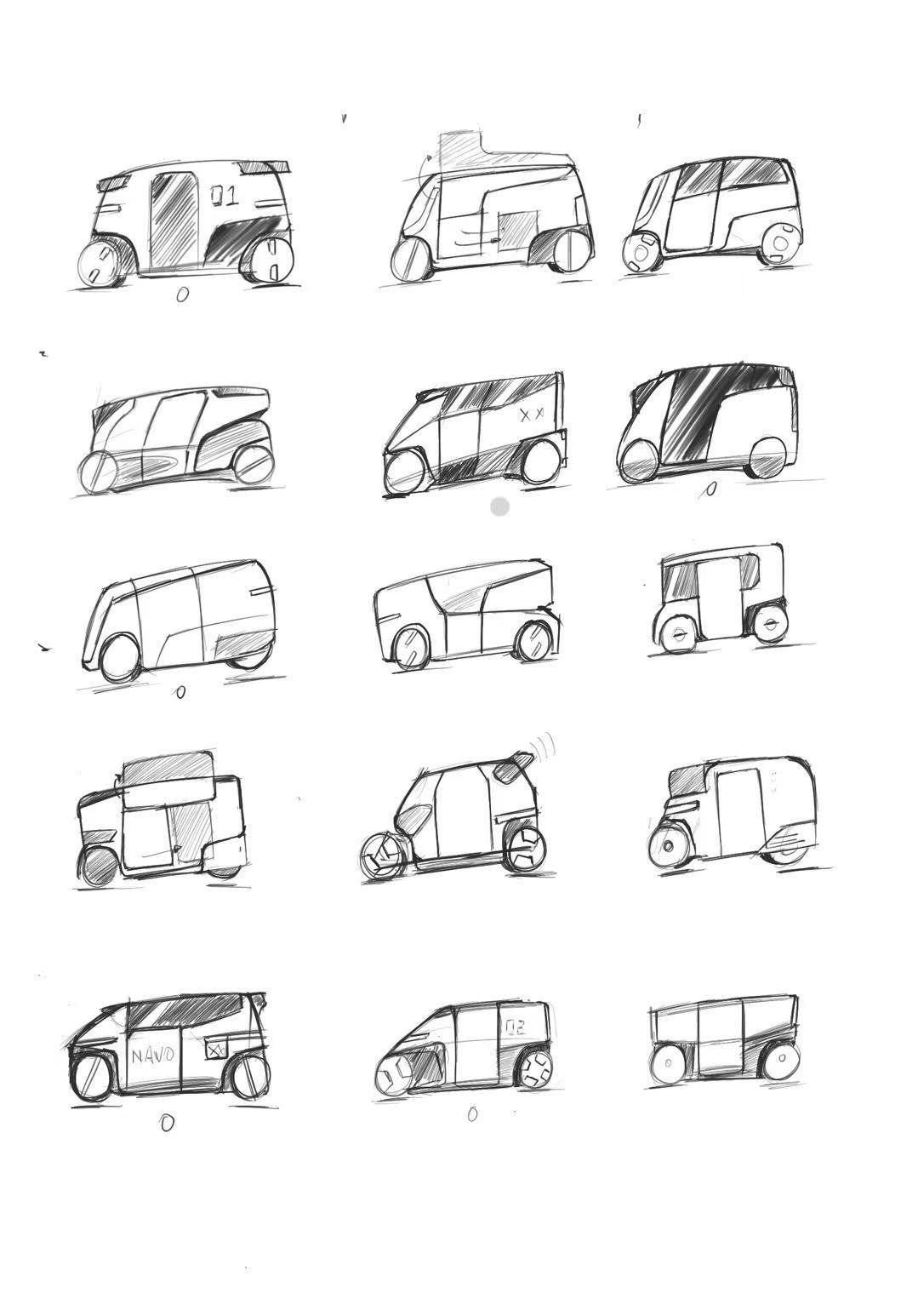
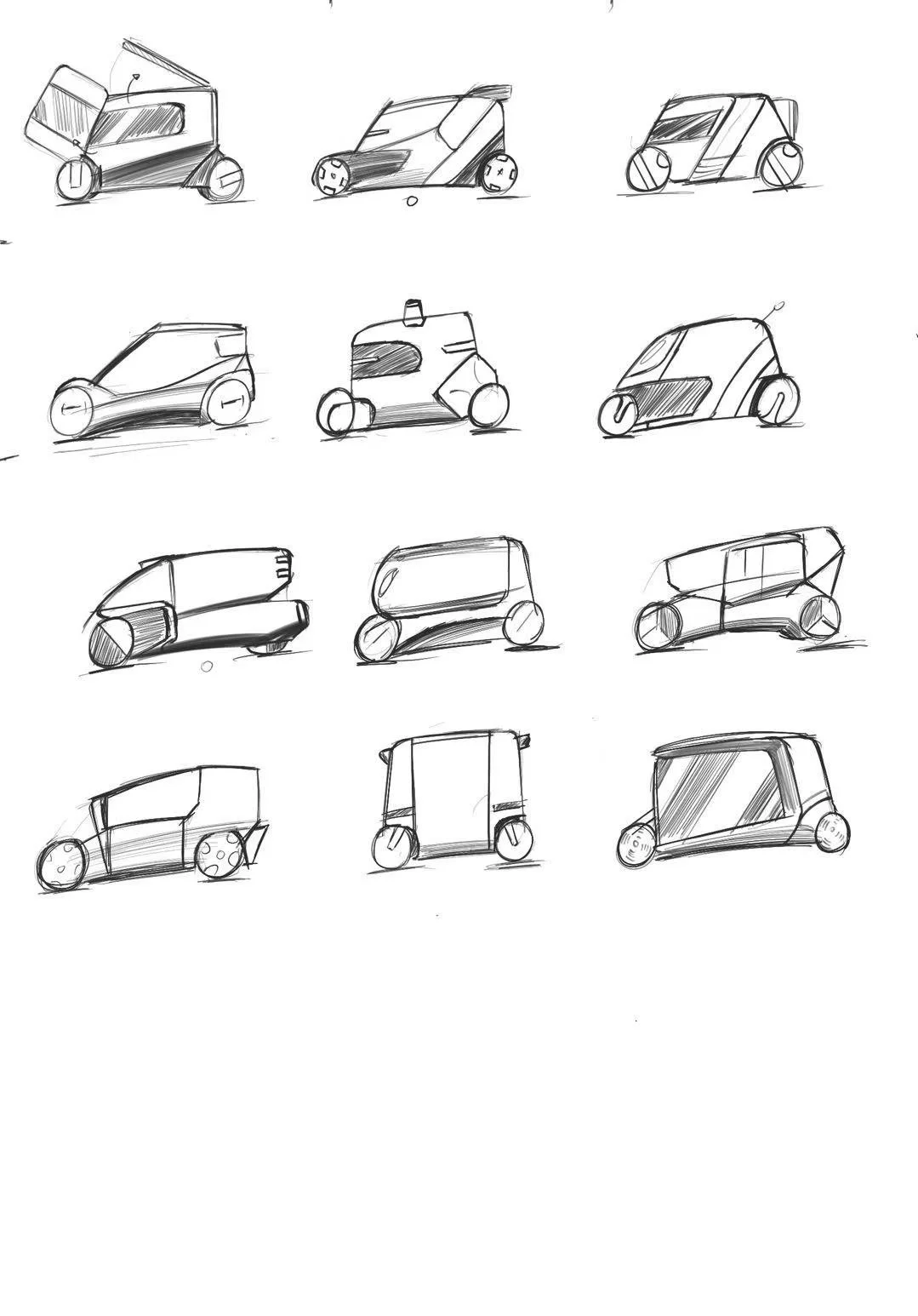
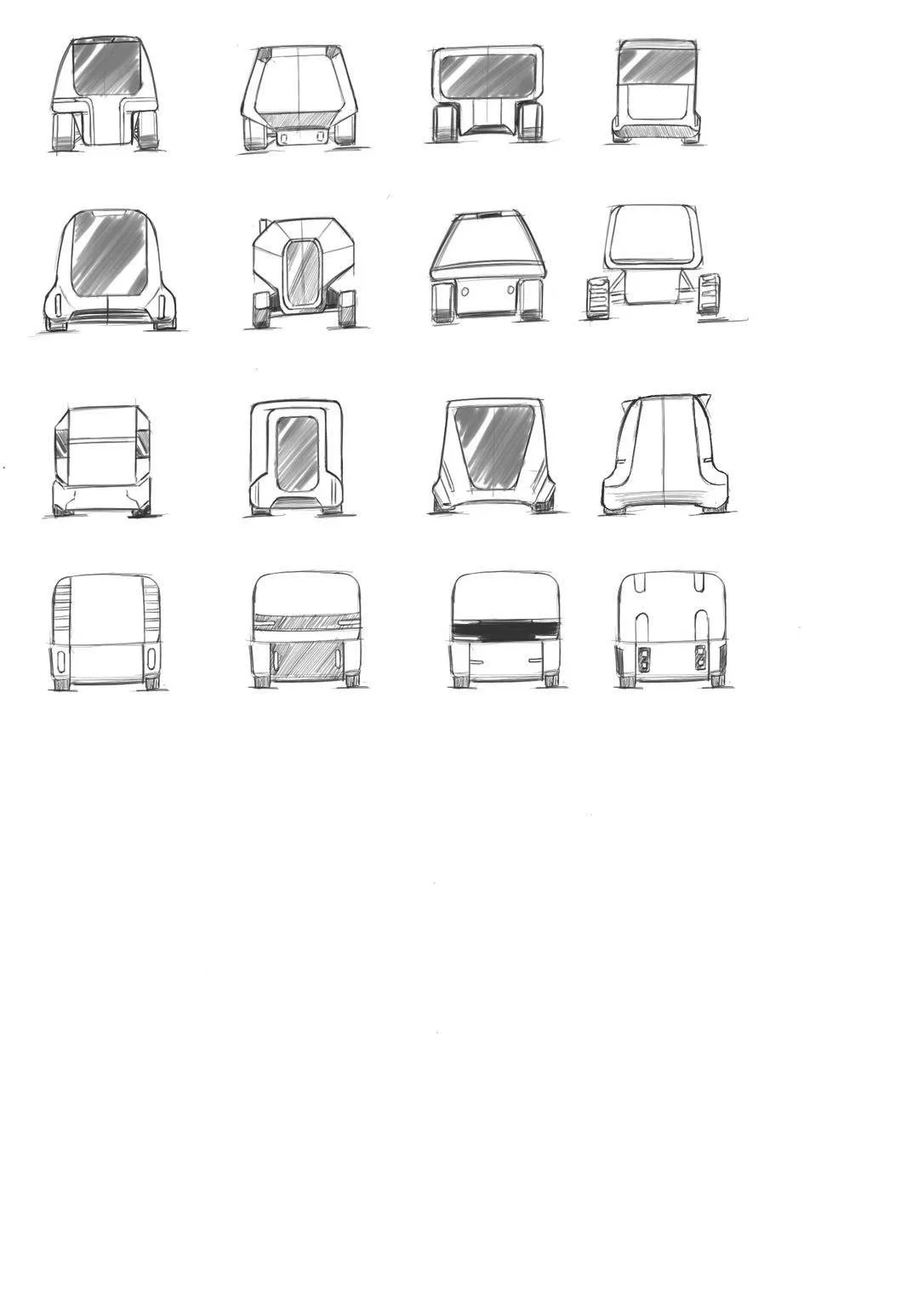
Exterior Exploration
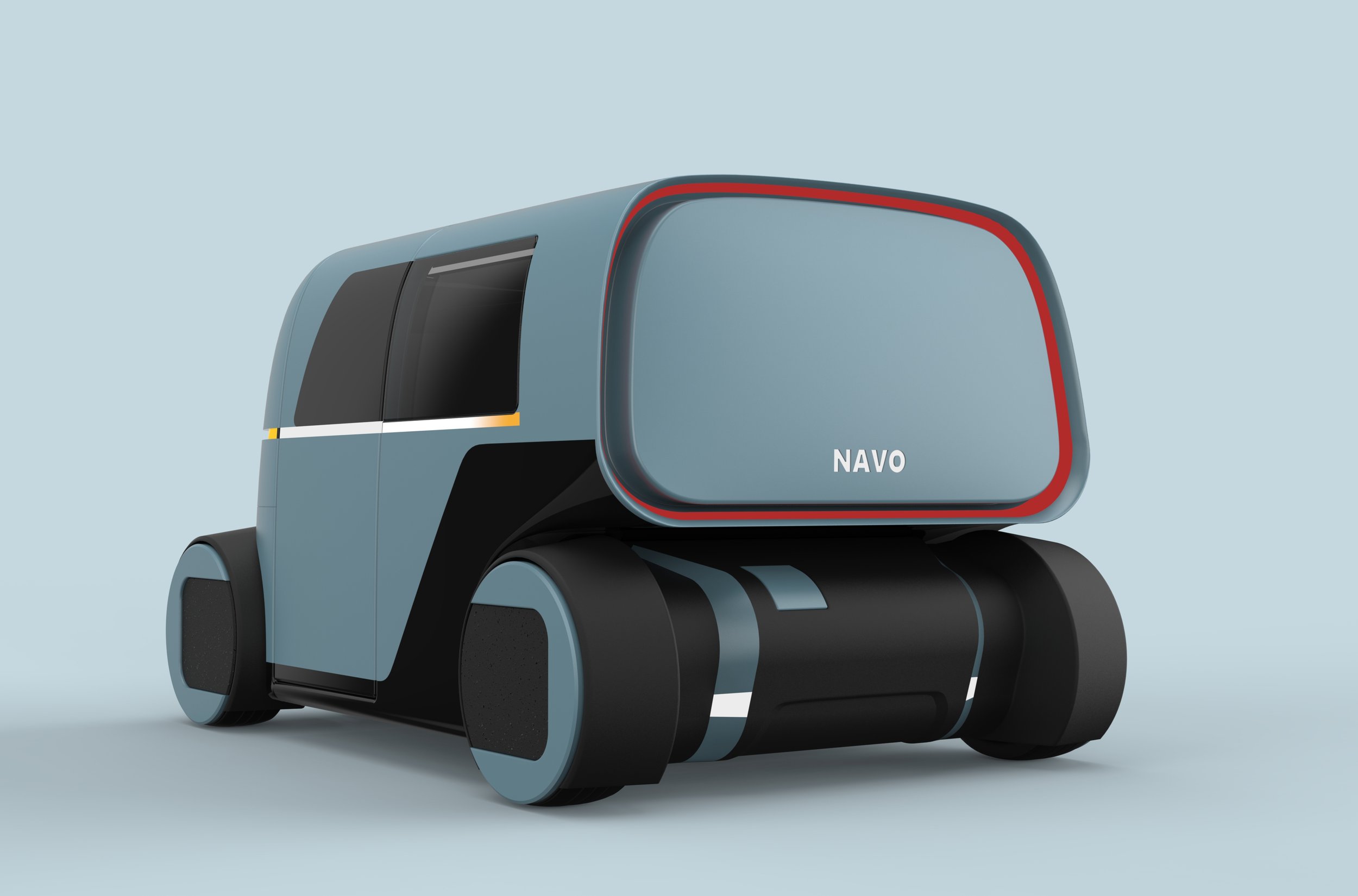
NAVO
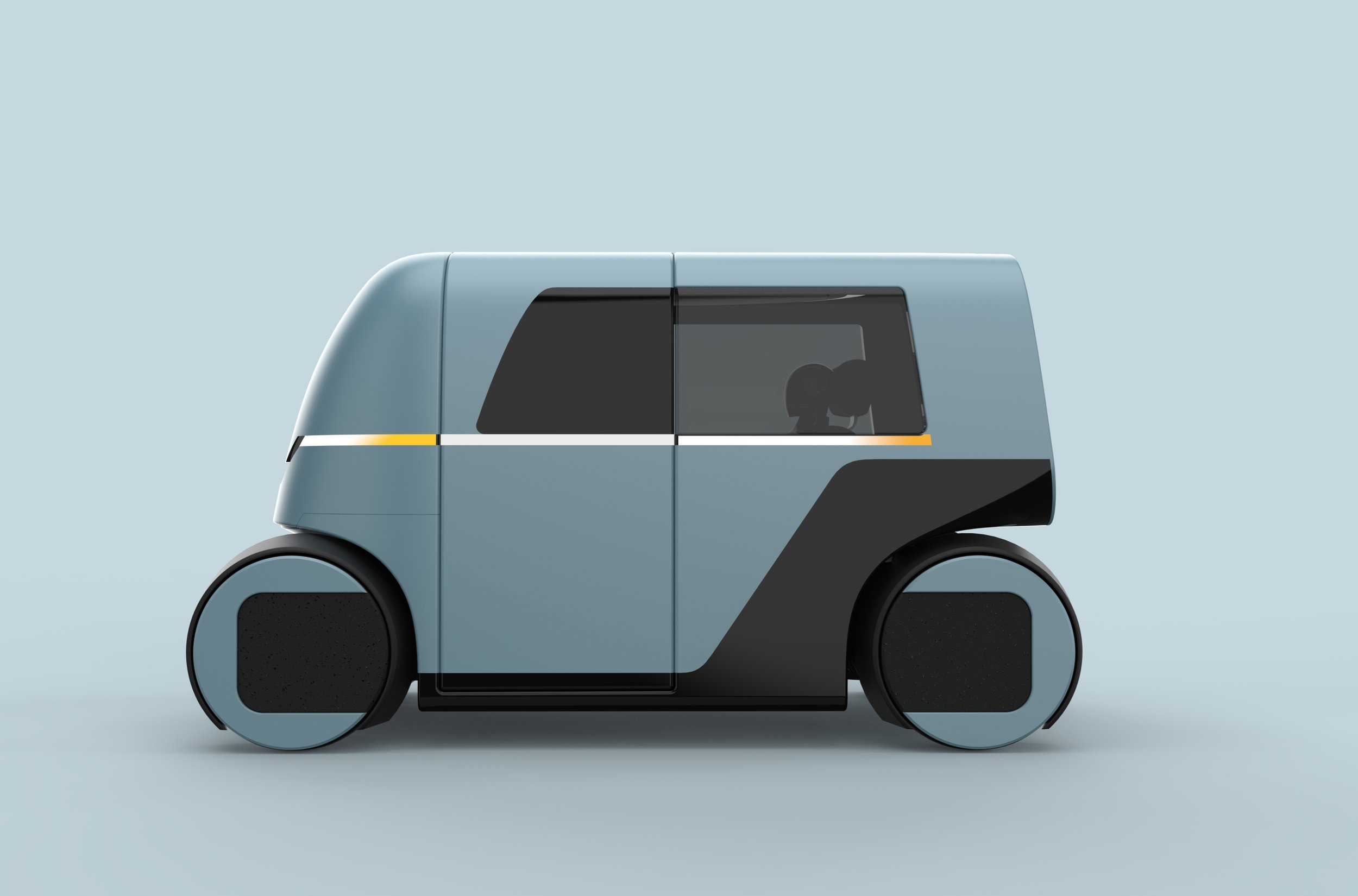
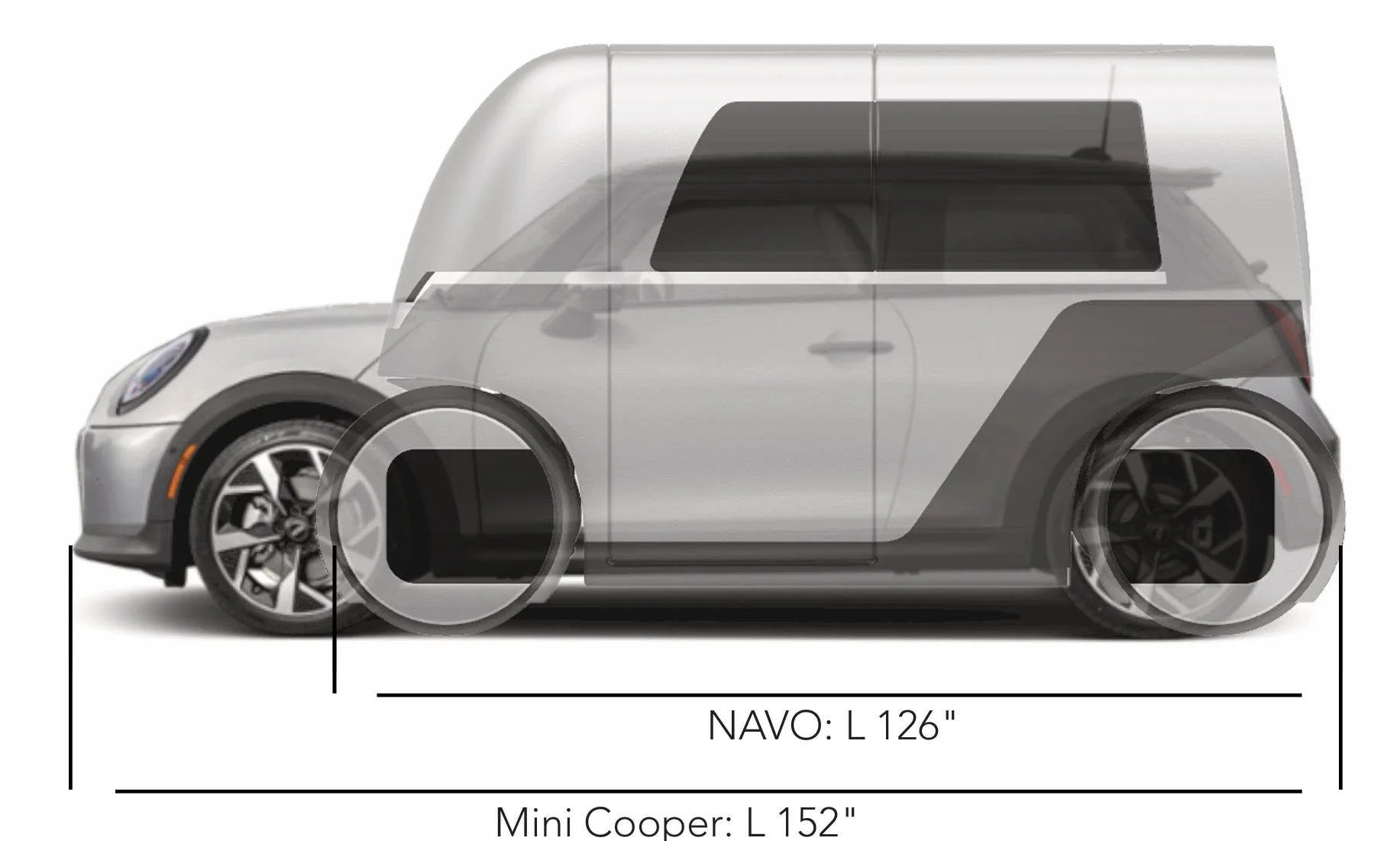
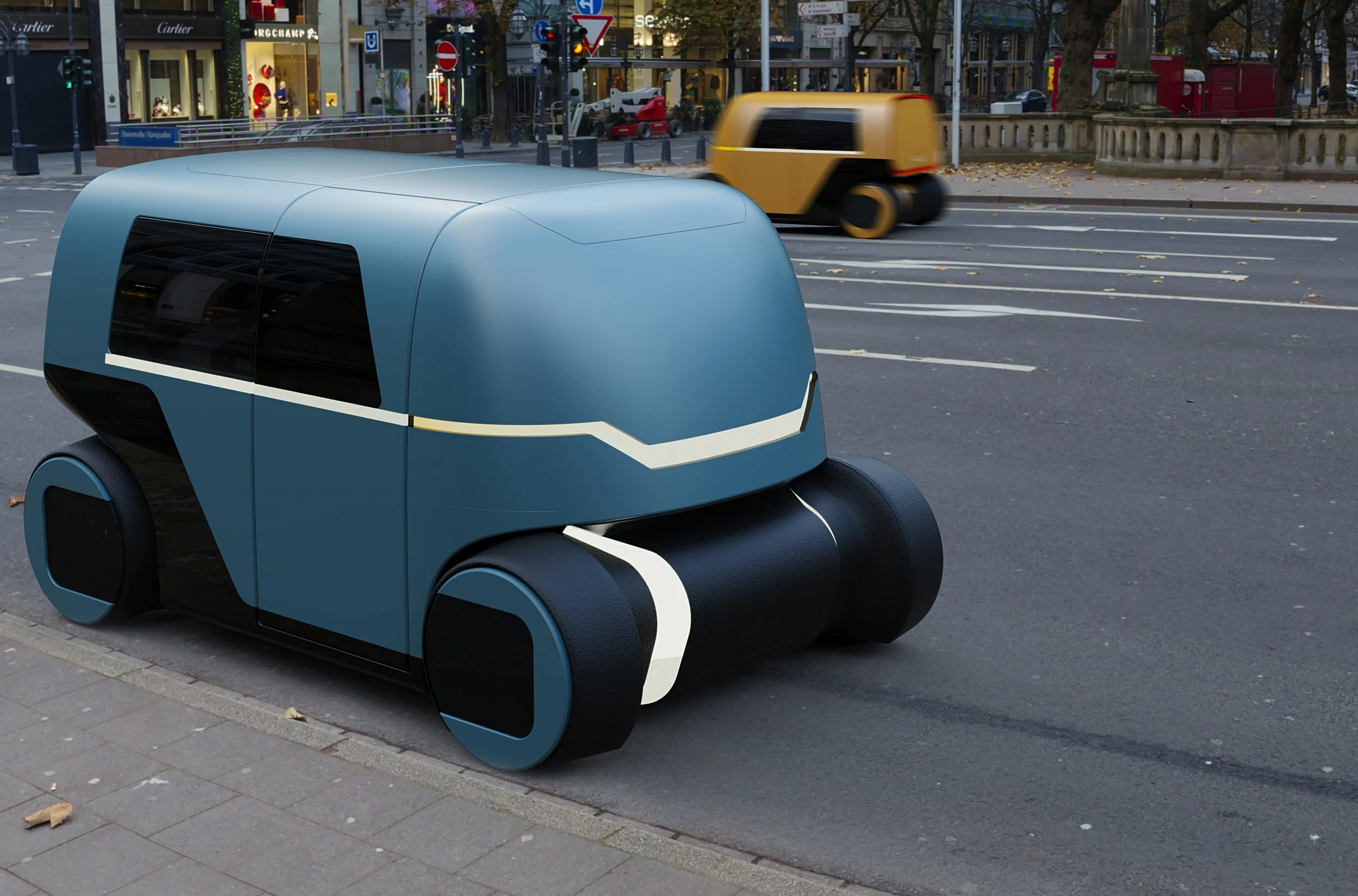
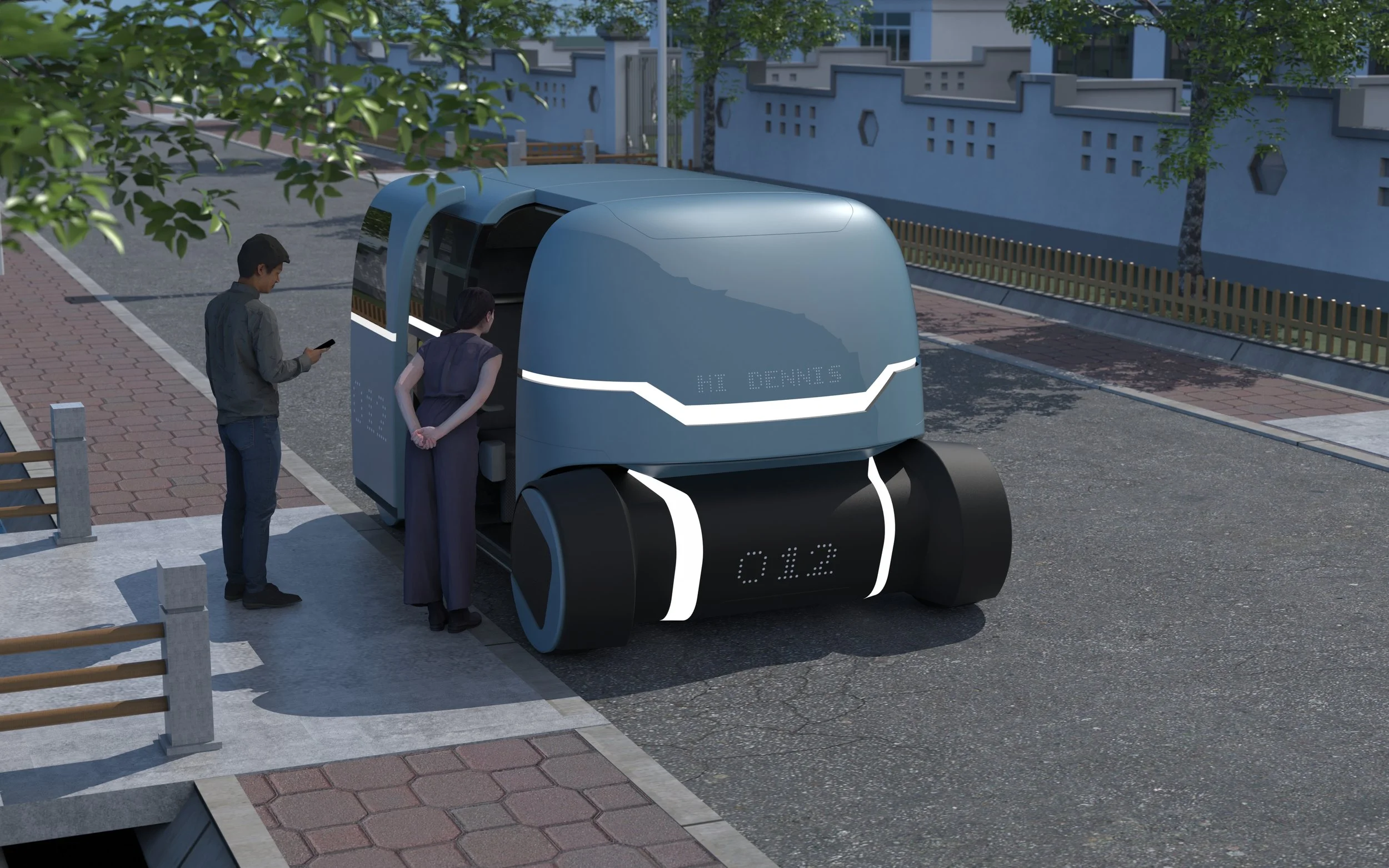
Compact body optimized for urban environments, shorter than a Mini Cooper
Interior
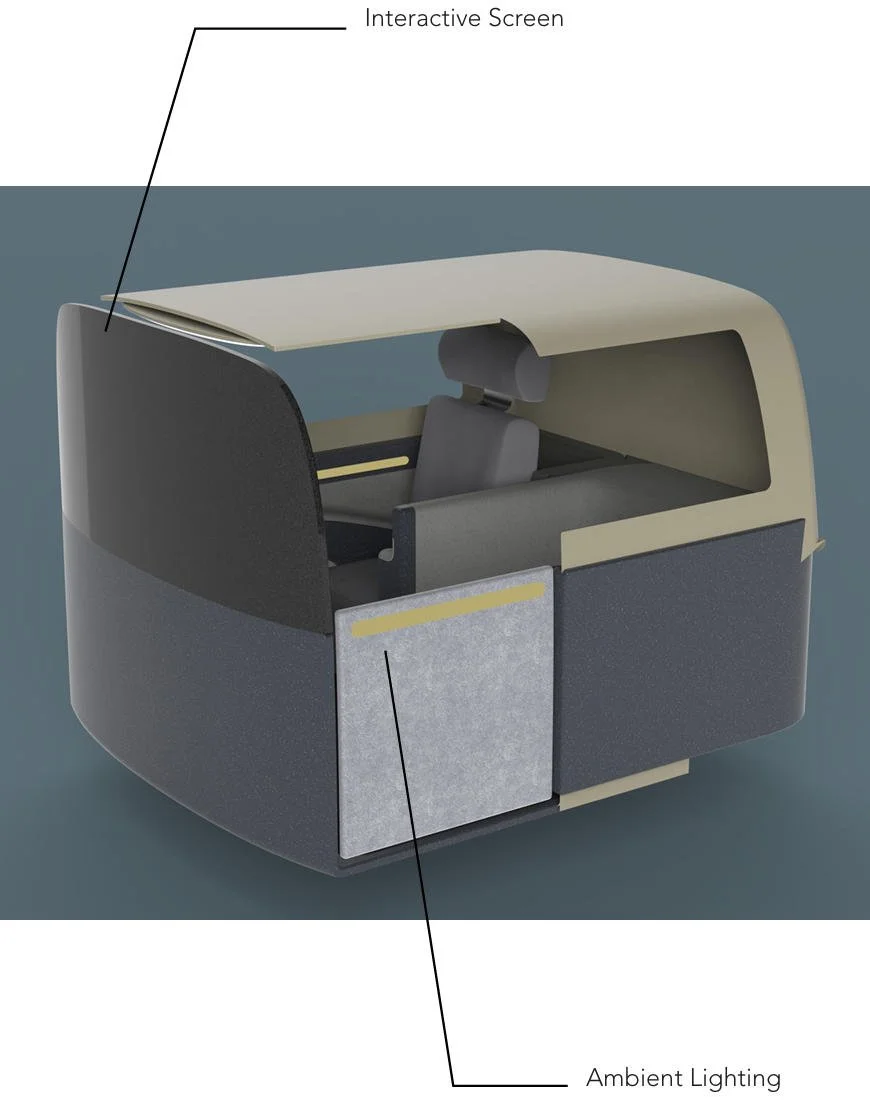
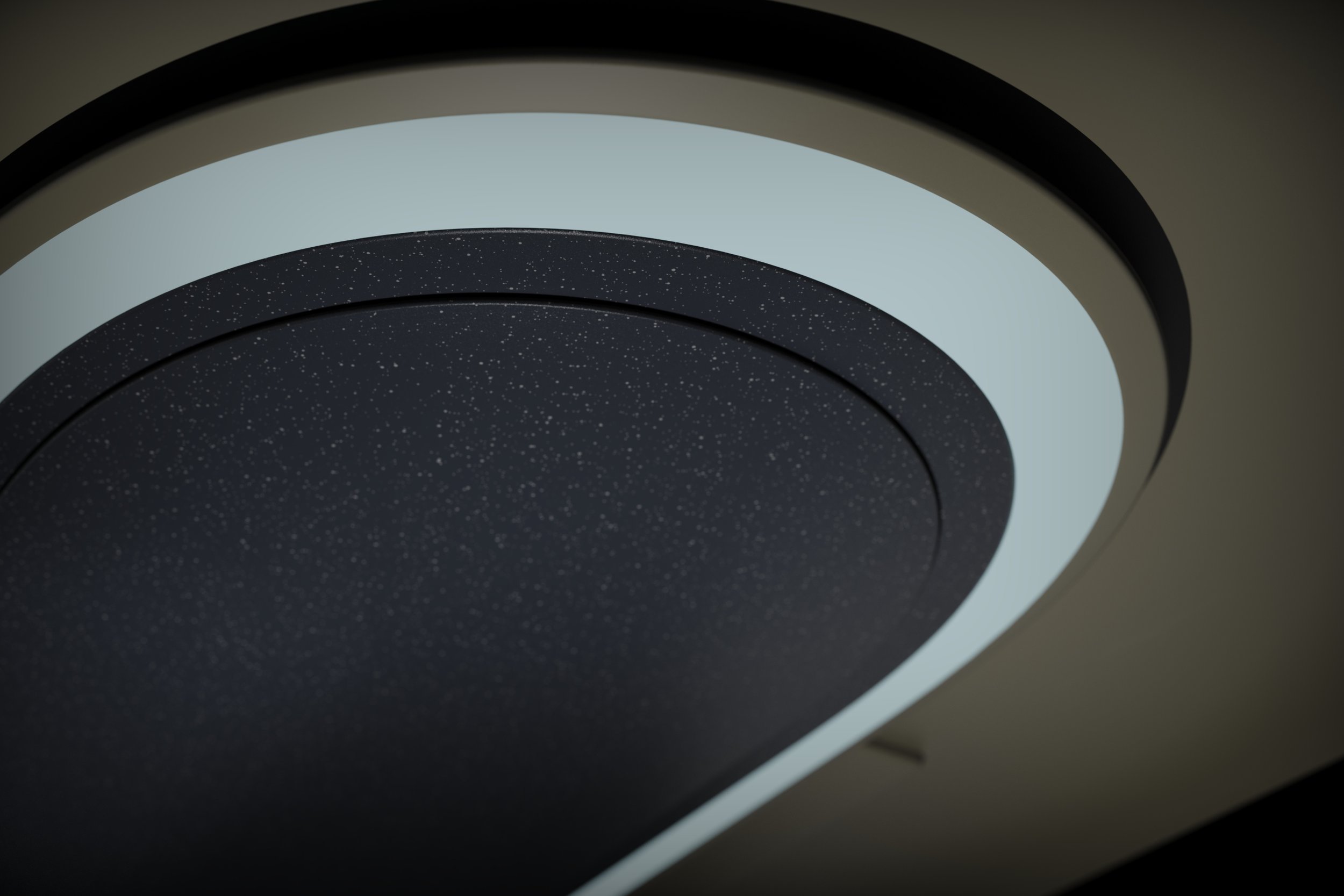
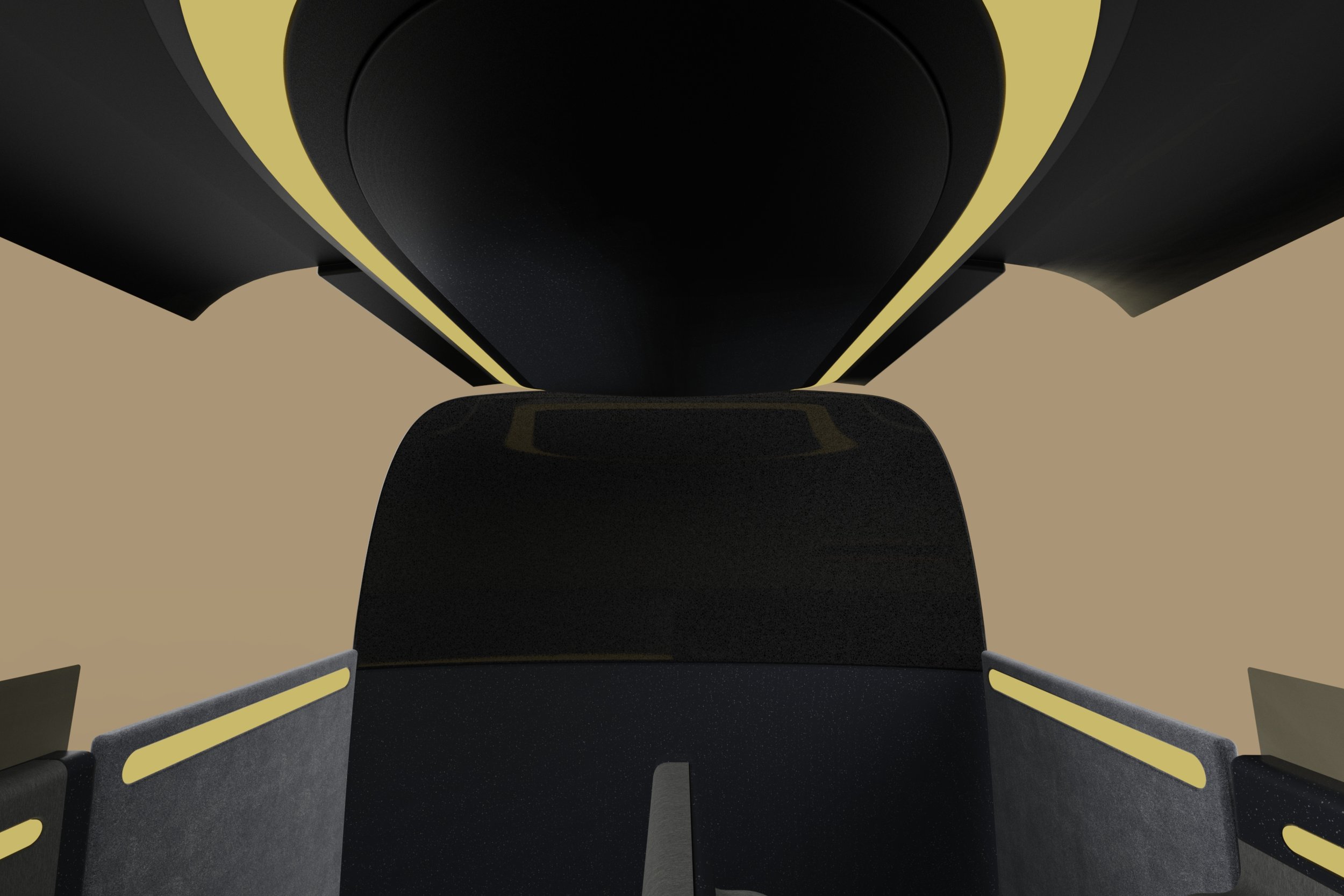
The interior of NAVO is designed with adaptability and user comfort in mind. A large interactive screen at the forefront of the cabin serves as the primary interface for passengers, providing real-time information, navigation updates, and customizable entertainment options. Passengers can seamlessly adjust the ambient lighting, temperature settings, and even the fragrance of the cabin, creating a fully personalized travel experience.

Second Interior Prototype


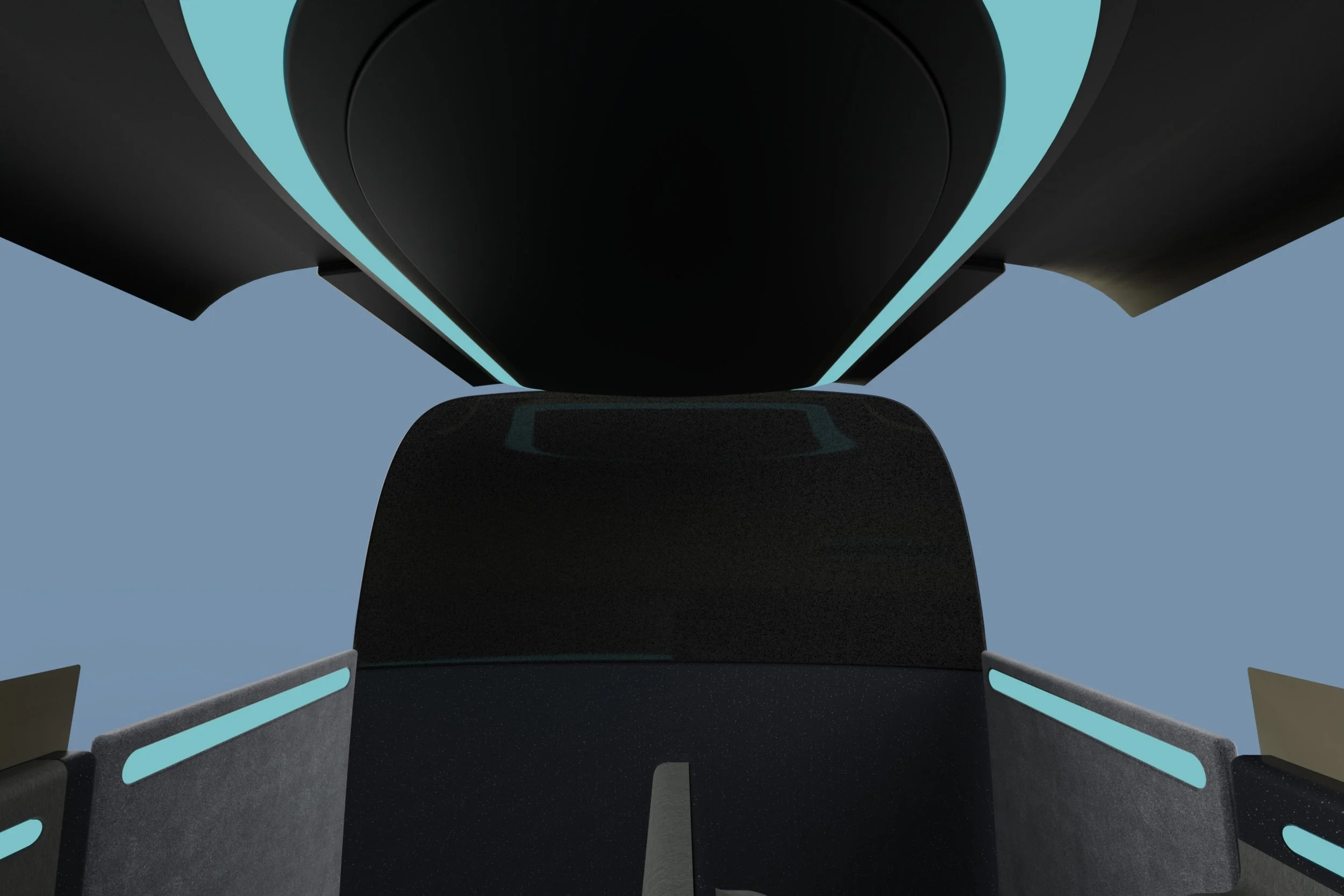
Interactive Screen: A Window to New Realities
The interactive screen at the front of NAVO's cabin serves not only as a transparent window to the outside world but also as a gateway to immersive experiences. Passengers can transform their journey into virtual explorations—drifting through endless deserts, wandering through dense forests, or even traveling back to the 1930s. This customizable experience transforms each ride into a unique narrative, where the boundaries of time and space dissolve, offering passengers a journey that extends beyond the physical world.
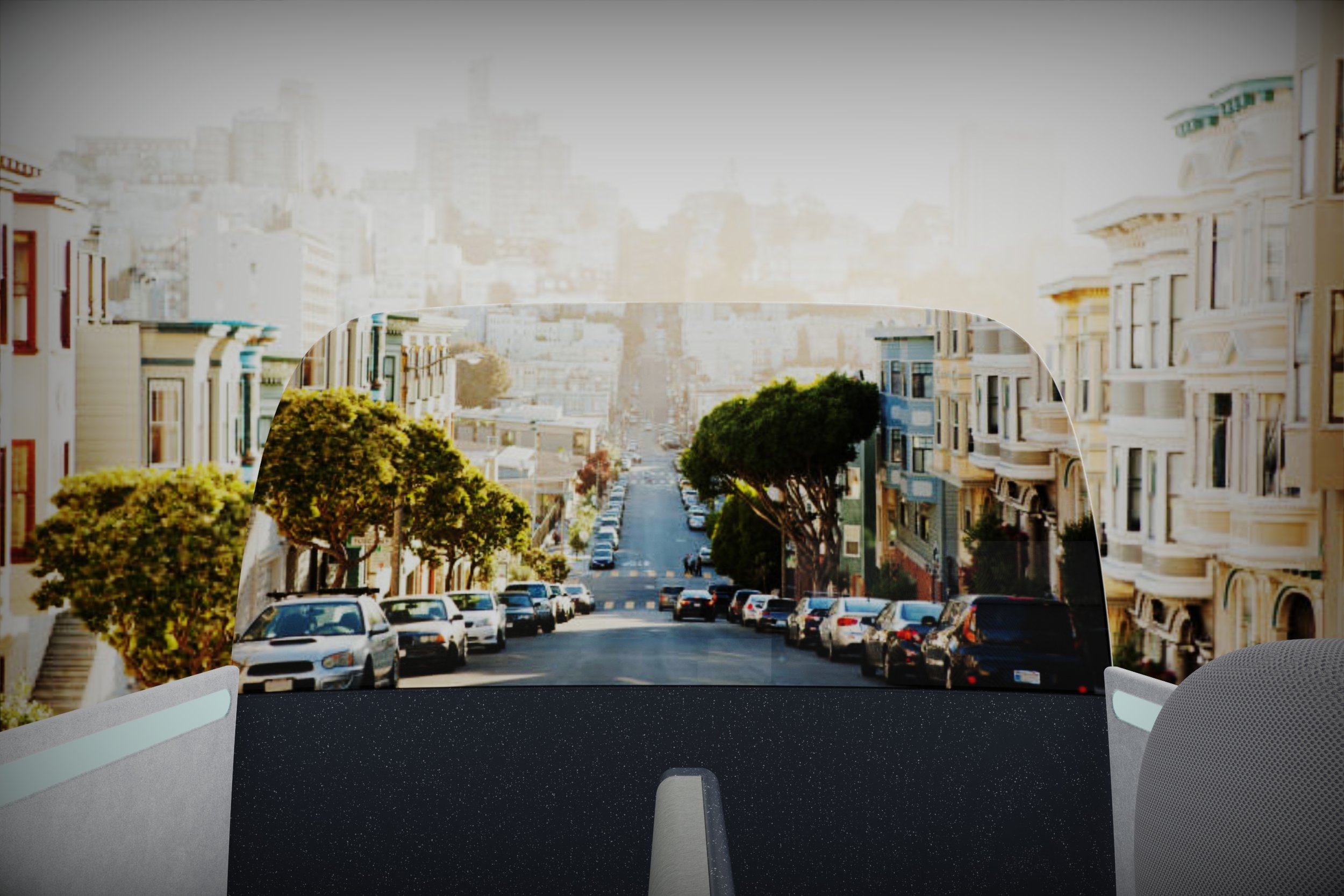
Contextual Renderings
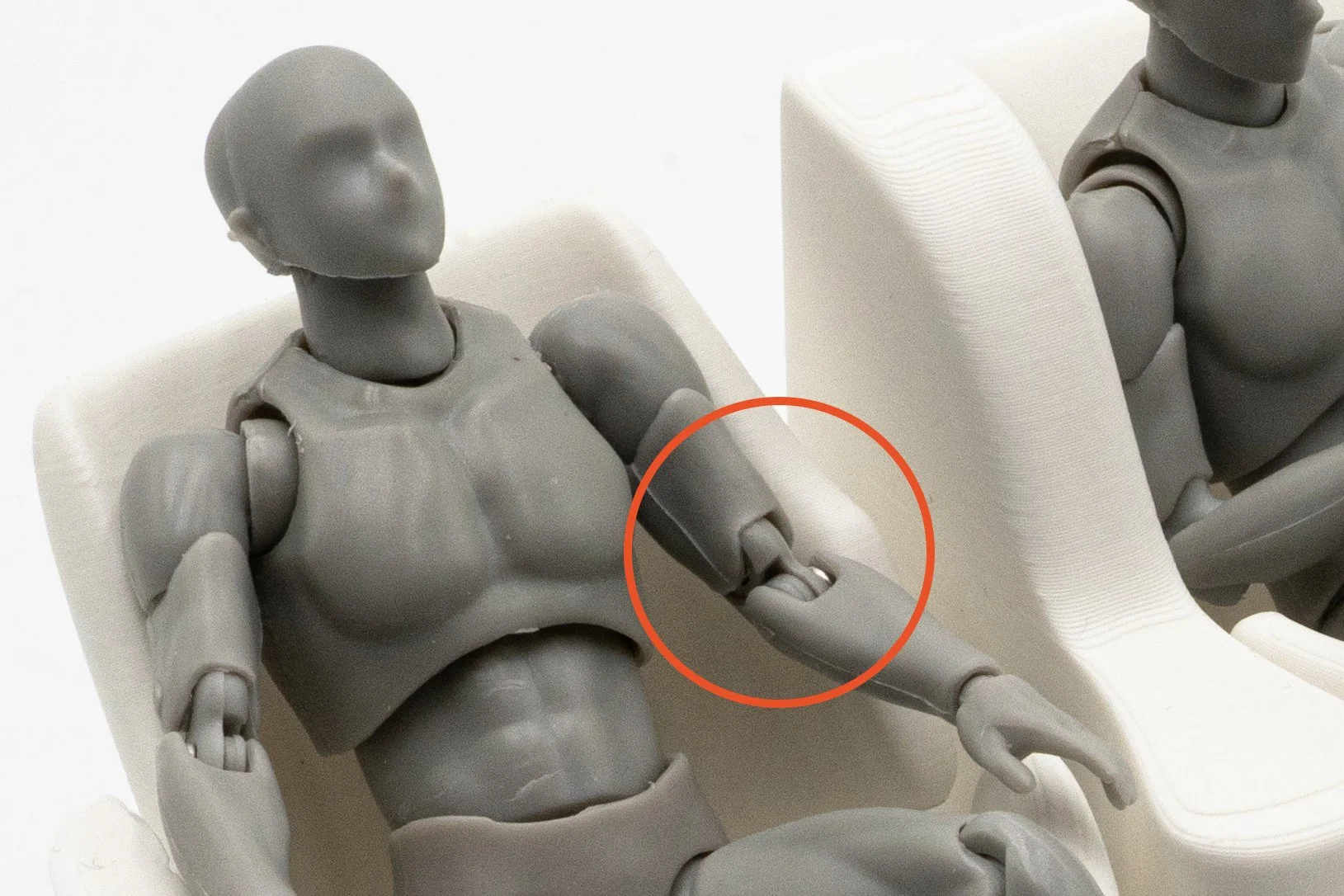
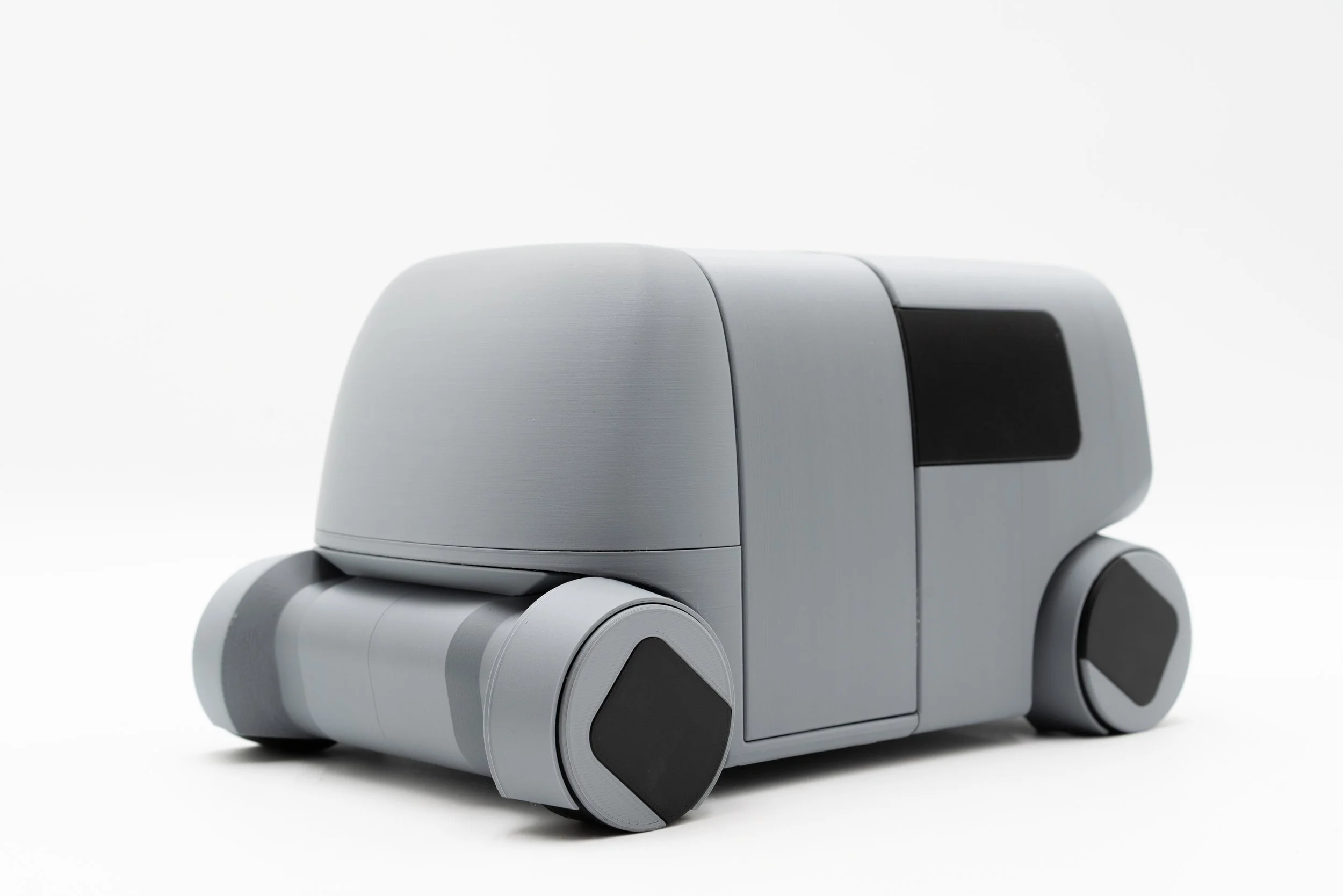
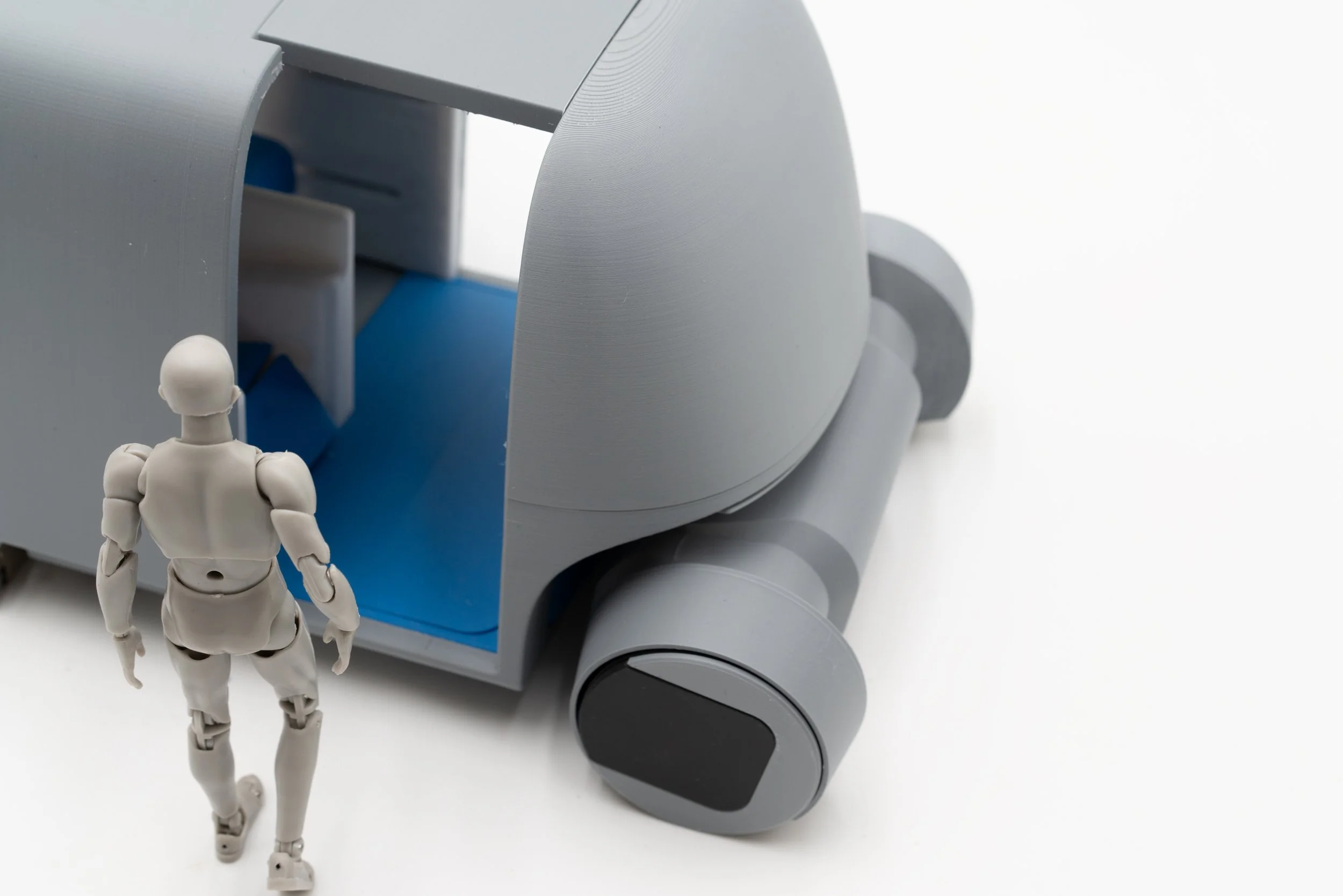
3D Printed Model (1:11 scale)
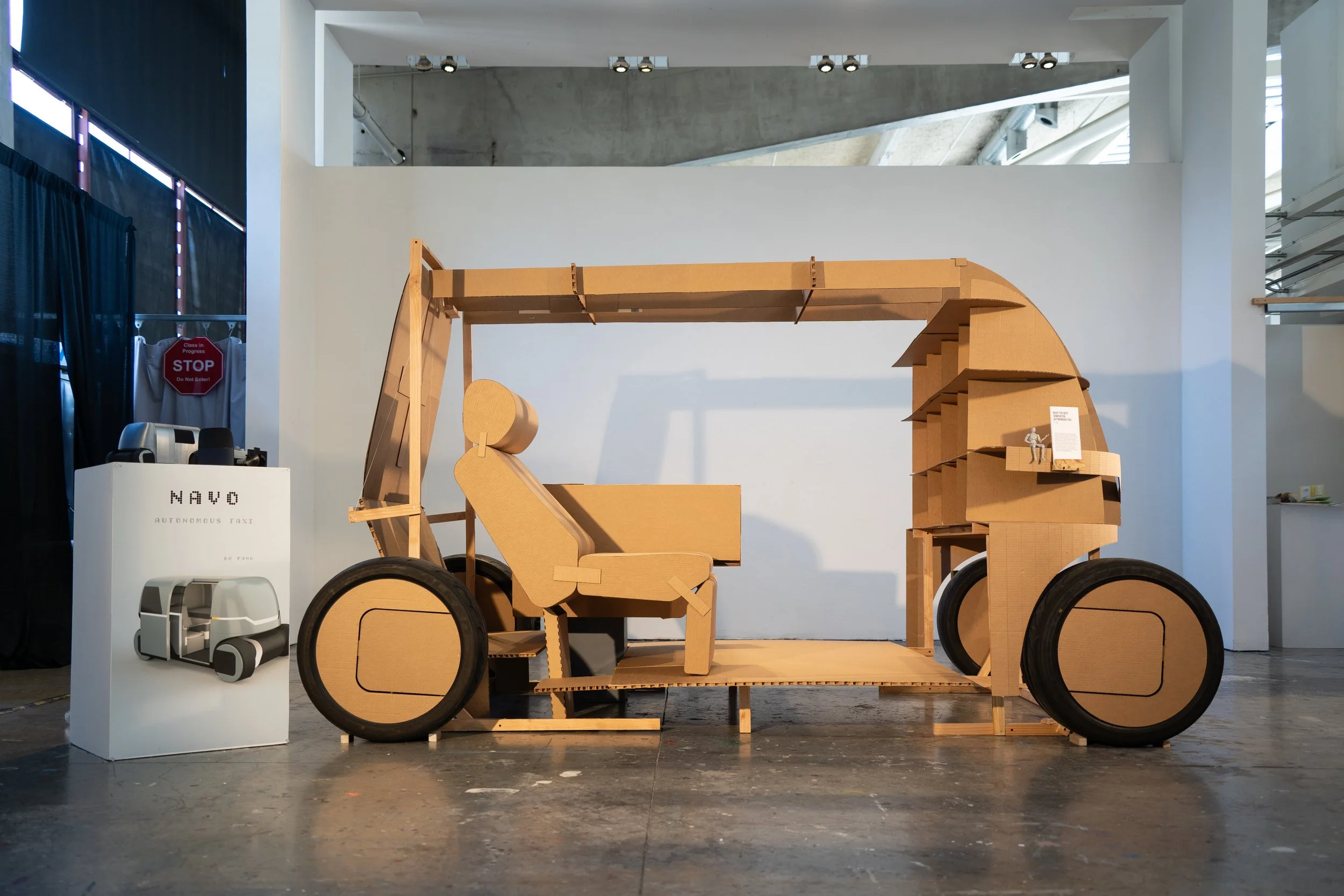
Full Scale Model
This is my MFA design thesis project. For full version PDF spread please click the link below